Singlehood Anxieties and the Search for Meaning
It’s always interesting when research papers land in my periphery, especially ones dealing with relationships and anxieties. I saw this one – a study out of ...

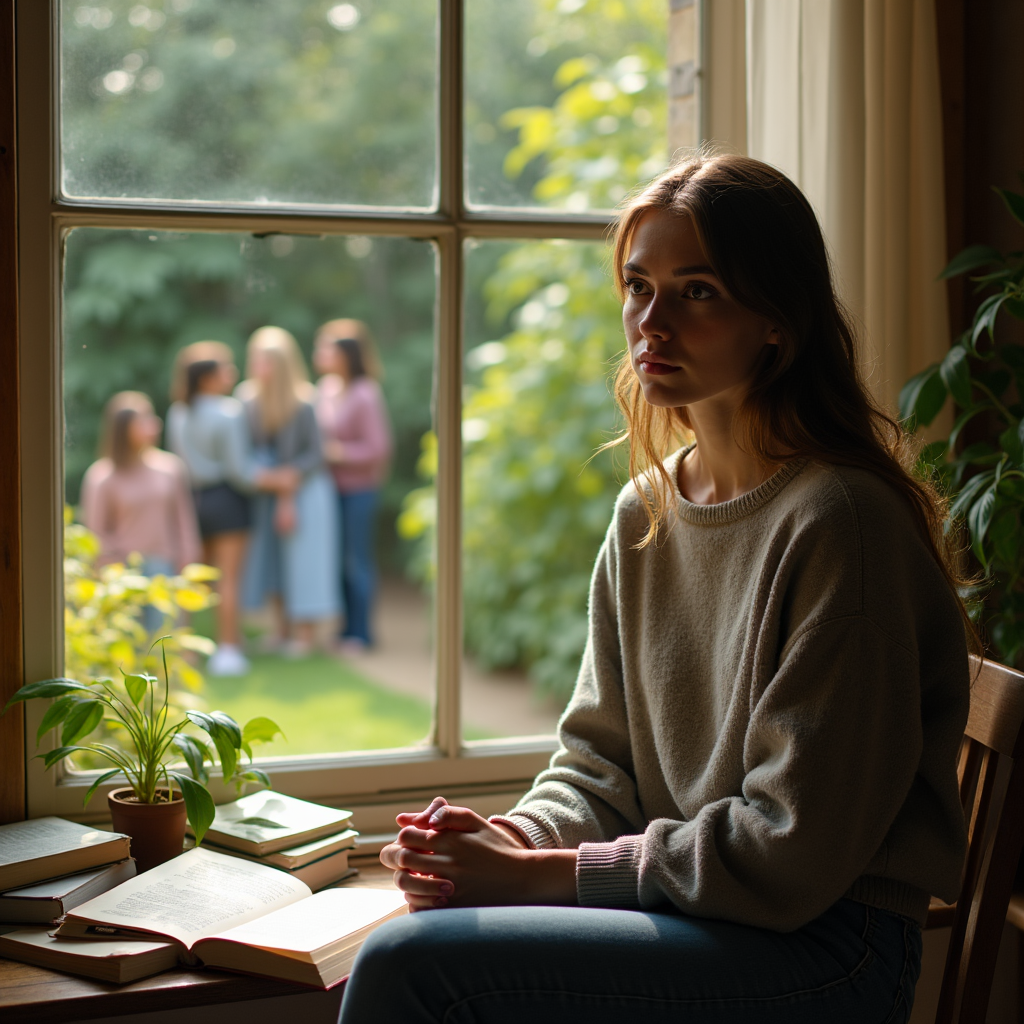
It’s always interesting when research papers land in my periphery, especially ones dealing with relationships and anxieties. I saw this one – a study out of somewhere in China looking at singlehood, attachment styles, and risk aversion in young adults – and it just…clicked. Not in a sudden understanding sort of way, but in that slow realization you sometimes get when observing something familiar through a slightly different lens. Like finally noticing the shape of a cloud after staring at blue sky for too long.
I’ve always been fascinated by the intensity of societal pressure surrounding marriage in certain cultures. It's not exactly absent here, obviously – my mom still asks about “potential candidates” with unsettling frequency – but it feels…muted compared to what I read about in these studies. There’s a weight there, yes, an expectation that you’ll pair off and settle down. But the sheer force of it seems to be something else entirely when you’re talking about China. It felt like looking at a heightened version of my own internal struggles.
My blog has been a dumping ground for these sorts of thoughts, really. An occasional post here and there over the years. Mostly unfinished drafts or half-formed ideas. It wasn't ever *good,* not by a long shot. I think that’s part of why I stopped being consistent with it – the feeling of inadequacy after putting something out into the world. Twenty-seven people read that one post, the one I wrote after Jacobs Pavilion last year, and I kept checking back to see if the number would change. It didn't. And instead of feeling discouraged—which is what I *expected*—I felt…something else. A little spark, maybe?
The study mentioned something about attachment styles – anxious-preoccupied being particularly connected to higher levels of anxiety around relationship prospects. That resonated deeply. It’s not that I wouldn't *like* a relationship; it’s that the potential for disappointment feels enormous. The imagined future – cozy apartment, Sunday brunches, shared milestones – is wonderful in theory, but also carries this undercurrent of…what if? What if it doesn't happen? What if I'm not enough? It’s exhausting.
I remember once telling a friend—someone who was constantly chasing after someone who clearly wasn’t interested—that relationships shouldn’t feel like a negotiation. Like you’re trading something valuable for…well, what exactly? She looked at me strangely, and I realized my cynicism probably came across harsher than intended. Maybe I'm just wired to perceive these things differently, to see the transactional nature underlying even the most heartfelt declarations. It makes vulnerability feel incredibly risky.
The researchers also touched on gender dynamics within the Chinese dating landscape—how men, often under immense pressure from their families and society to provide stability and carry on the lineage, experience a different kind of anxiety. This isn’t necessarily about wanting love; it's about fulfilling an obligation. It got me thinking about how different motivations can completely reshape the entire dynamic. It also illuminated something I hadn’t fully articulated before: my own resistance to being *defined* by a relationship. My value shouldn’t hinge on my marital status, and pursuing that fiercely is surprisingly tiring.
I wonder if these dating apps – the ones designed for connection, for efficiency—actually exacerbate the underlying anxieties. They present this illusion of endless possibilities, which can be paralyzing. It's easy to get caught in a cycle of swiping and comparing, feeling increasingly inadequate because you’re measuring yourself against an idealized standard that doesn't really exist. It strips away any sense of spontaneity or genuine discovery; every interaction feels calculated, assessed, and ultimately disposable. The pressure to curate the perfect online persona just adds another layer of complexity—and potential for disappointment.
Perhaps what we all need – not just in China, but everywhere – is a little more space to simply *be*. To be single, to be unattached, without feeling like we’re failing at life. It’s an uncomfortable thought, this idea that finding happiness shouldn't depend on ticking off some societal box. But sometimes I think those are the most valuable discoveries—the ones you stumble upon when you stop looking so hard. Maybe, just maybe, there's a small bit of comfort in knowing that even within these grand cultural narratives, individual choices still matter. And perhaps a blog post or two isn’t such a bad thing after all.