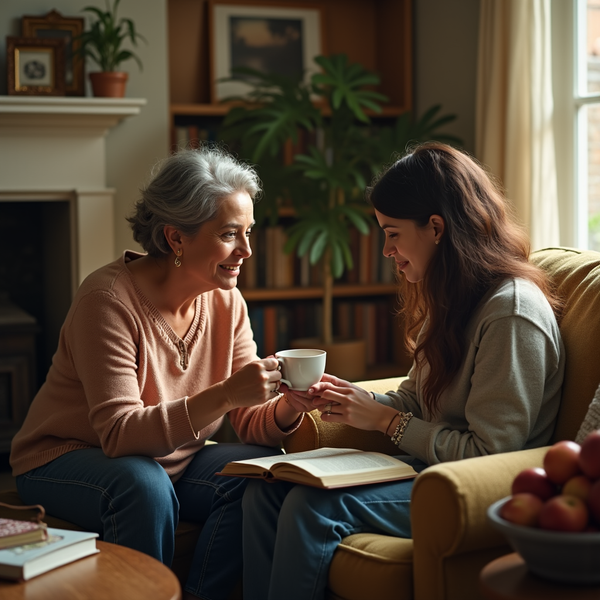
Sleep: A Slow Simmer Before School
The days are shorter now, aren’t they? It's that feeling you get when summer begins to curl back on itself, the light angling differently through the classro...

The days are shorter now, aren’t they? It's that feeling you get when summer begins to curl back on itself, the light angling differently through the classroom windows. Back to school always brings a kind of low hum of anxiety—for them, for me. But this year feels different because I think about what happens *before* all the frantic mornings and permission slips and first-day photos. What happens with sleep.
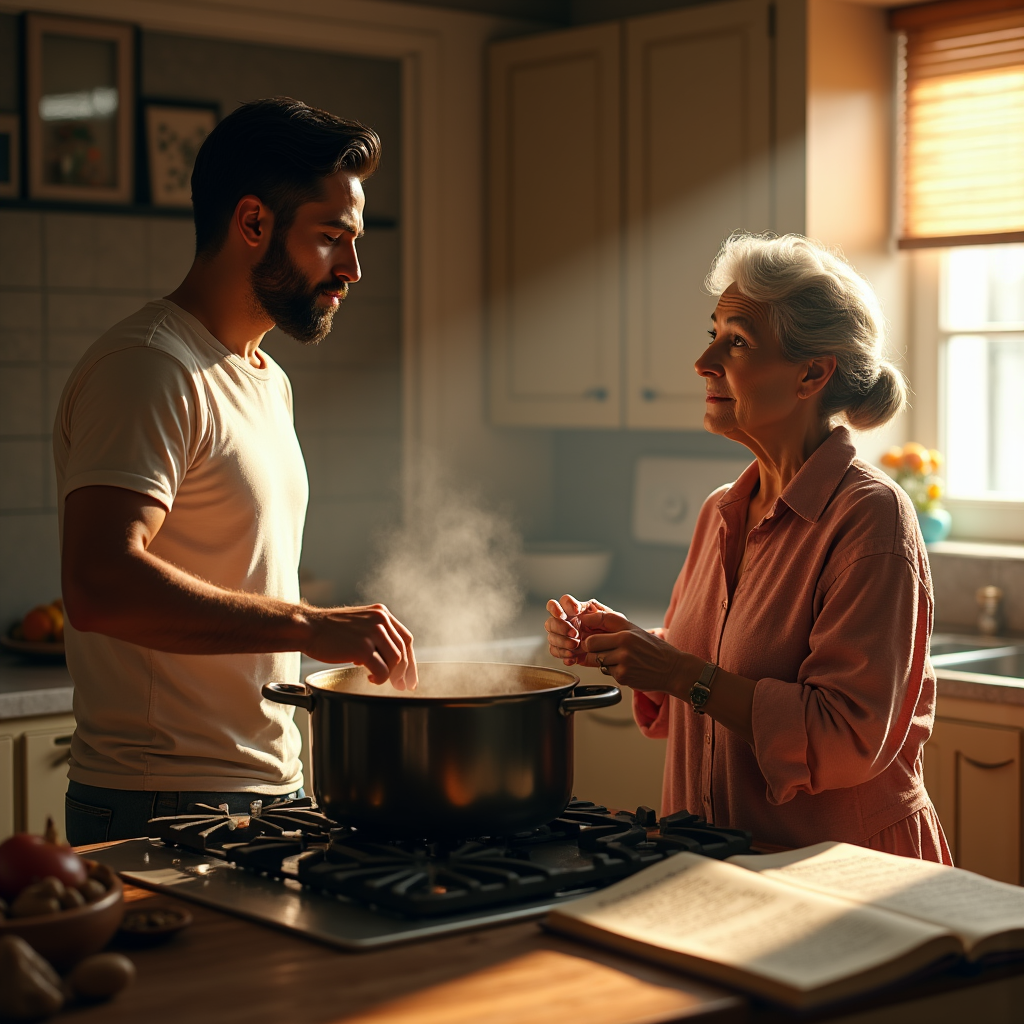
I spent most of my summer in Fishtown, you know? Long mornings at the kitchen table, sunlight coming through the dusty blinds. Making gravy—really making it—the way my grandmother started to teach me years ago. It takes time, that kind of thing. A simmer, a patience I usually don’t have. And that made me think about kids needing that same slow simmering, that quiet space before everything ramps up again. They come back from summer holidays already drained, running on fumes built up during those long, unstructured days.
It's funny – we push them so hard academically and socially, expect them to be these little sponges soaking up knowledge and interaction, but rarely do we stop to consider the foundation all that’s built on: good sleep. You see it in the classroom, of course. The kid who seems perpetually grumpy, or can’t focus, or just… *off*. We chalk it up to a difficult home life, learning differences, something we can fix with a different seating arrangement or a modified assignment. But sometimes, what they really need is an extra hour under the covers.
I remember one student last year, a sharp kid—could figure out any math problem you put in front of her—but constantly tired. Constantly fighting tears during reading time. I overheard her mother talking about how she’d “tried everything” to get her to go to bed earlier, but the protests were relentless. What neither of them realized was that *everything* meant a bedtime routine involving an hour of scrolling through videos on a tablet in the dark.
It's not just about the number of hours they sleep, either. It’s about the *quality*. The screens—the phones, the tablets, even the TV—they really mess with things. I see it everywhere, parents trying to buy their kids a little extra time in the evening, unaware that they're stealing precious moments of restorative rest. I always told my grandma, “It’s late! Time for bed!” And she would say, "You can do all your worrying while you're awake.” She was right.
And then there's the homework load. The pressure to keep up, to excel. It’s a cycle that feeds on itself: kids stay up later doing assignments, they're tired in school, their performance suffers, and the stress just keeps building. I try to build some wiggle room into my own lesson plans—a few minutes for quiet reflection, maybe an extra song—anything to create space where they can breathe. It's a tiny act of rebellion against the relentless forward march.
My grandmother always made Sunday gravy. It’s this incredibly involved sauce that simmers all day, filling the house with this unbelievable smell. She used to say it was about more than just food; it was about creating something lasting, something nourishing. And I realized – maybe we should treat our kids’ sleep like a slow-simmering gravy, too: tending to it gently, patiently, recognizing that its impact will be felt long after the immediate need is met.
I'm going back to school soon enough, to room 214. It feels different this year—a bit heavier, maybe. I’ll be watching closely, not just for academic struggles or social anxieties, but for the subtle signs of exhaustion etched on their faces. Because sometimes, the most important thing we can do is help them get a good night's rest.