The Accelerated Generation: Time and Biology
It’s unsettling to think about time speeding up, honestly. Like, not just feeling like senior year is blurring into a watercolor mess of college applications...

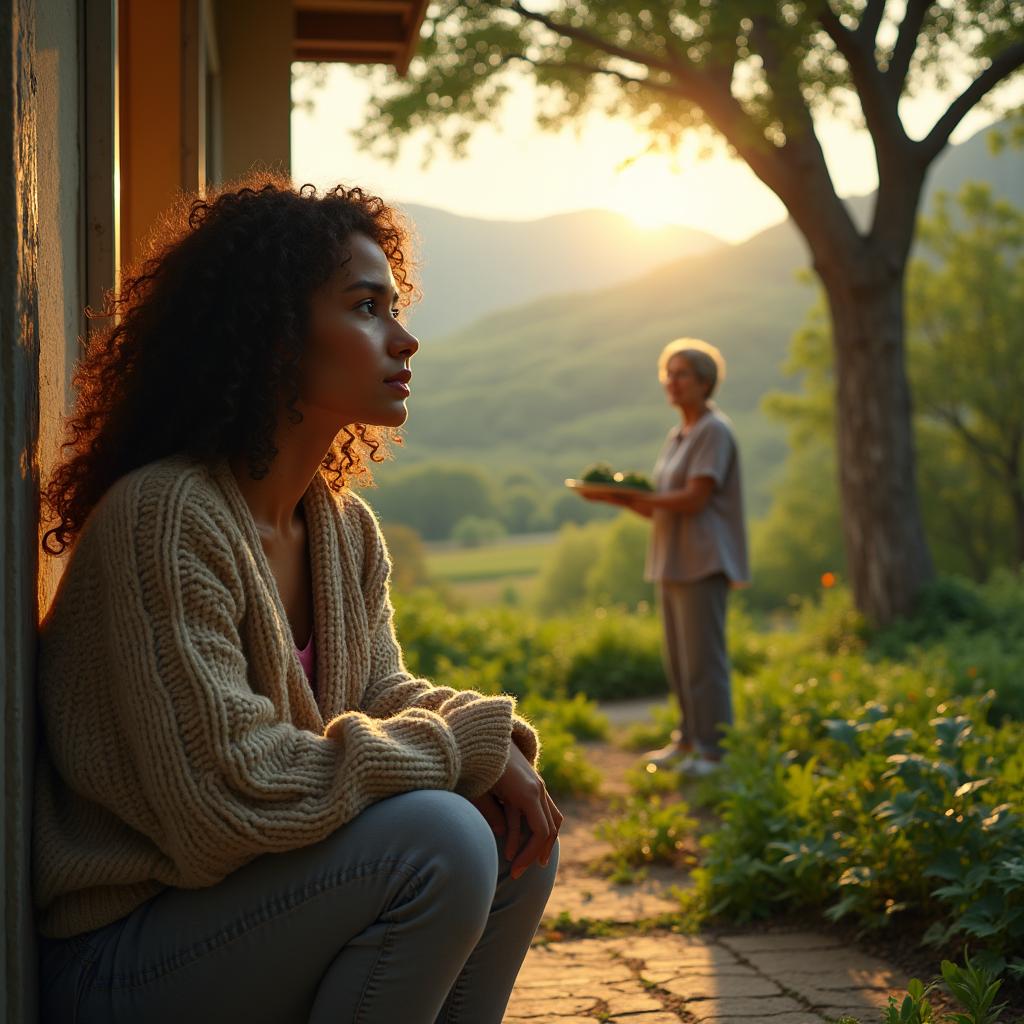
It’s unsettling to think about time speeding up, honestly. Like, not just feeling like senior year is blurring into a watercolor mess of college applications and lukewarm cafeteria pizza, but *actual* biological time moving faster for my generation. I read an article yesterday – one of those that gets slipped past my dad's usual "clickbait" filter – about research suggesting we’re aging… differently than our parents did. That the subtle changes happening inside us are compounding over years, maybe even contributing to things like early-onset cancer.
My mom forwarded it to me, with one of those little heart emojis and a “just wanted you to be informed!” attached. It's her way of being supportive without really grasping what I do on my blog – which is mostly staring into the void and writing about music that makes me feel things too big for this small town. She doesn’t understand algorithms or Tumblr reblogs, but she wants me to *know* things. And now, apparently, those things include a potential acceleration of our internal clocks.
The thing they described—a measurement of accumulated biological damage—it's more than just age in years. It looks at things like how quickly your DNA is fraying, the levels of inflammation constantly simmering beneath your skin, and how efficiently your body repairs itself. Basically, it’s a snapshot of the wear-and-tear that builds up over a lifetime. Apparently, this metric—let's call it a biological age score—is consistently higher for younger people than it was for previous generations at the same chronological age.
It makes you wonder what's *different*. We grew up on processed food, glued to screens, breathing in who-knows-what from car exhaust and factory emissions. I remember my dad complaining about how “back in his day” kids ran around outside all summer, building forts and getting genuinely dirty. Now it feels like we’re all just…contained. Indoor ecosystems, powered by wifi and anxiety.
I've been thinking a lot about Phoebe Bridgers lately. Seeing her live back in April was… significant. It wasn't just the music, although that mattered deeply. It was knowing, after writing those concert reviews – seeing people from across the internet click on them and share them—that something I created could travel beyond my bedroom walls, beyond this town. Now, imagining a future where we have to start routinely screening for cancer at younger ages feels…less distant.
It's not all doom and gloom. The article talked about personalized medicine – using these kinds of metrics to figure out who’s at higher risk and intervening early. Maybe it means more frequent checkups, or specific changes in diet and exercise. My dad, predictably, would scoff and say we're just overreacting. But maybe a little proactive prevention is better than waiting for something bad to happen down the line.
My mom keeps reminding me to eat my vegetables. I guess that’s her version of personalized preventative medicine—a constant nudge toward broccoli instead of another bag of chips. It feels small, but then again, those subtle changes – one less sugary drink, an extra hour of sleep, a walk around the block—they add up over time, don't they?
I guess what I’m saying is that feeling anxious about our health trajectory isn't necessarily a bad thing. It might actually be the kick in the pants we need to start paying attention. Maybe it’s not just about getting into college anymore. Maybe it’s about building a future worth aging *into*—even if that biological clock is ticking a little faster than it used to.