The Asterisk on Good Intentions
The way things are, it feels like every “better” choice comes with a little asterisk next to it. You know? Like you’re doing something good – reducing your e...

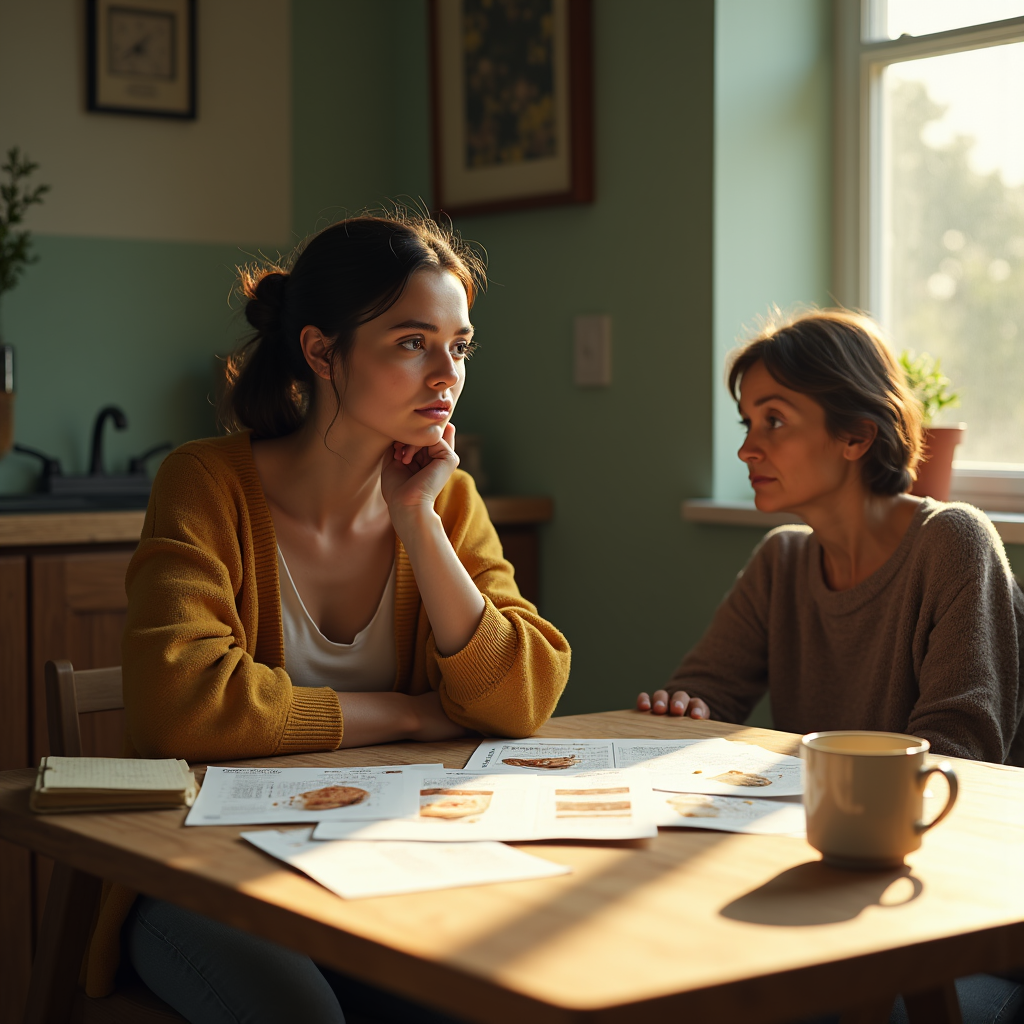
The way things are, it feels like every “better” choice comes with a little asterisk next to it. You know? Like you’re doing something good – reducing your environmental impact, maybe, or trying to be healthier – and then you read a study that throws a wrench in the whole process. This one, about plant-based meat alternatives in the UK, is… frustrating, honestly.
I’ve been trying, for a while now, to be more intentional about what I eat. It started small, mostly because everyone online seemed to be doing it, and it felt like a way to participate in something bigger than myself. My early attempts were pretty terrible—some truly inedible tofu scrambles and lentil burgers that tasted like sadness. Jacobs Pavilion, last summer, was a turning point. Seeing all those local vendors, the artistry and care that went into their products, it sparked something. It felt less like a trend and more like… a genuine effort.
It's easy to buy into the narrative. The slick marketing, the promises of sustainability, the image of a healthier you. I remember that feeling so keenly—the hopeful click when I first ordered a plant-based burger, the little surge of accomplishment. It’s not a huge thing, I know, but it felt like I was contributing, even in a tiny way. Now, I’m reading about fungal toxins, mycotoxins, whatever they are, showing up in these same products.
I check my blog stats obsessively sometimes. It's ridiculous, I know. Twenty-seven people read that post after the show. Twenty-seven. And I’m analyzing it, wondering what I could have written differently to reach more people, to make the message clearer. It’s probably a sign I need a hobby, or a therapist, or both. The point is, I put something out there, a sincere attempt to articulate how I felt, and that tiny audience felt significant. This feels similar – a small discovery with potentially large implications.
The articles I've seen mostly talk about regulations and manufacturer responsibility, which are important, of course. Someone needs to be held accountable. But it also leaves me feeling a little… powerless. How much can an individual really do? Do I just stop buying plant-based products entirely? That feels like throwing the baby out with the bathwater. Because the intention behind them, the desire to move towards a more sustainable food system, is still valid.
I thought about my mom for a second. She’s always been skeptical of these kinds of trends. She’ll say things like, “If it sounds too good to be true, it probably is.” It used to irritate me—that cynicism—but now I kind of get it. There’s a certain naiveté involved in wholeheartedly embracing something new without questioning it. I’m not saying she’s right about everything, of course. But this feels like a moment where a little skepticism might be warranted.
The cumulative exposure thing is what really gets to me. It’s not about one burger or one drink containing a tiny amount of something questionable. It’s about the constant low-level exposure to all sorts of things we don’t fully understand. It’s easy to focus on the immediate benefits – less meat consumption, a smaller carbon footprint – but what about the long-term effects? It’s a question that’s hard to answer, especially when the information is constantly changing.
Maybe the solution isn't to abandon plant-based alternatives altogether, but to be more informed consumers. To look beyond the marketing, to research the companies, to demand greater transparency. To remember that even the "good" choices often come with a complexity, an asterisk, that requires a little more thought. I might even delete that blog post. It felt genuine when I wrote it, but now it just feels… overly optimistic.