The Cat, The Child, and the Careful Mind
Well, isn't this a pickle? I saw a report the other day, rather unsettling, about childhood cat ownership and later mental health issues. It’s naturally maki...

Well, isn't this a pickle? I saw a report the other day, rather unsettling, about childhood cat ownership and later mental health issues. It’s naturally making parents, good, conscientious parents, feel terribly conflicted. And rightly so. I understand the impulse to give a child a furry companion. It’s lovely, really, that desire to offer that kind of uncomplicated affection.
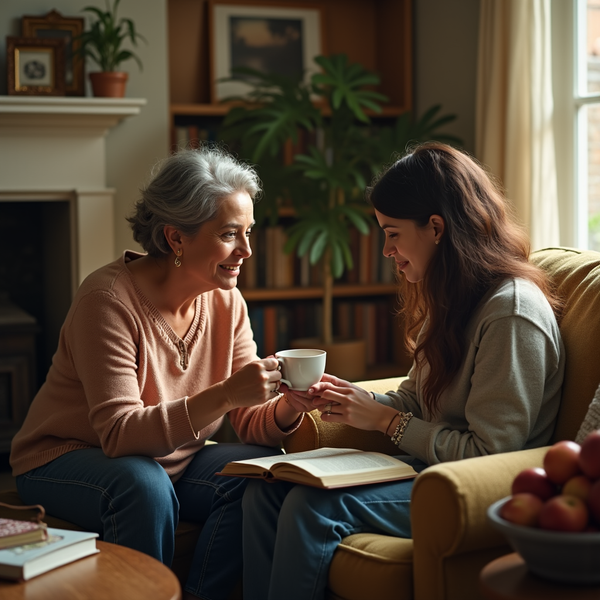
I remember Phyllis’s granddaughter, sweet Lily, badgering her relentlessly for a kitten. “Just one, Nana! Please! I’ll take care of it, I promise!” Lily was seven then, full of earnest pronouncements and brimming with love for those fluffy little creatures she’d seen on television. Phyllis, bless her, was firm. She explained, gently, that a living thing wasn't a toy, that it demanded responsibility and commitment, and she wasn't convinced Lily, or her parents, were quite ready for that.
It’s true, the study showed a *correlation*, which isn’t the same as a direct cause. We mustn’t jump to conclusions. It’s easy to do, isn't it? Especially when we’re worried. We see a connection and assume one thing *caused* the other. But what if the reasons are more complicated than simply having a cat in the house? Perhaps families prone to certain anxieties are also more likely to want to provide children with pets for comfort. Or maybe there are other factors at play—a lack of structure, inconsistent discipline, economic hardship—that influence both the desire for a pet and a child's later mental wellbeing.
I’ve always been drawn to patterns. It’s part of why astrology appeals to me. You look at the positions of the planets, the interplay of the signs, and you try to understand the underlying rhythms of things. But you also have to be careful about seeing patterns where they don’t exist. Just because two things happen at the same time doesn't mean one is responsible for the other. It's a lesson I’ve learned over and over, both in teaching and in life.
Still, it's reasonable to be thoughtful. I think the most important thing for parents to consider isn't just *whether* to get a pet, but *how* to do it responsibly. A pet, any pet, is a significant commitment. It needs not only food and shelter but also veterinary care, training, and attention. It’s a whole life, in a way, and that life is dependent on the humans in its care. If a family isn't prepared to offer all of that, then a pet isn't a kindness to the animal, or a benefit to the child.
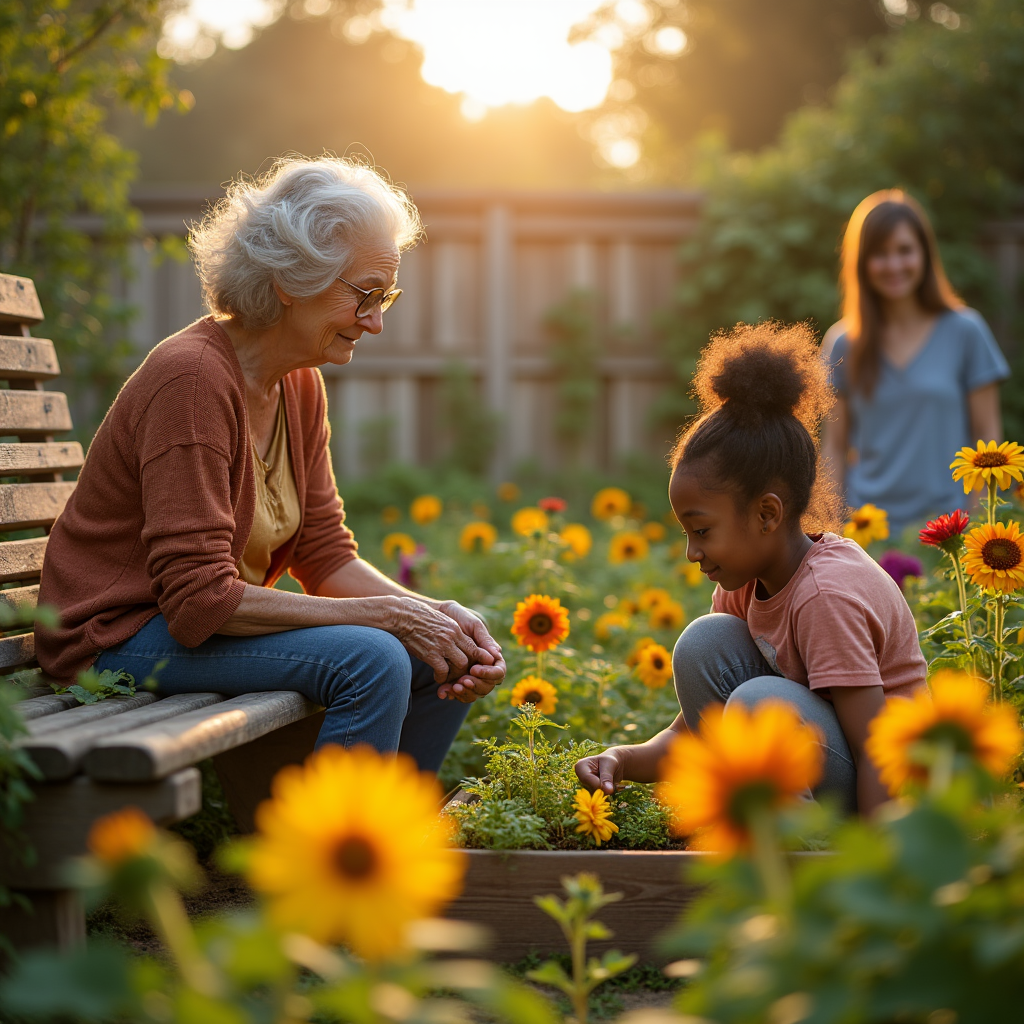
My own backyard became a haven last summer. After thirty-four years of grading papers and attending faculty meetings, suddenly I had the time to actually *look* at things, to tend to them. I planted a riot of sunflowers and zinnias, and simply sitting amongst them, watching the bees and butterflies, it was deeply restorative. It offered a different kind of comfort, a different kind of connection than a pet might. It involved responsibility too, of course, but a gentler kind.
Perhaps the comfort a child seeks isn't necessarily provided by a furry friend. Sometimes, a child needs a stable home, a loving environment, a sense of security. Sometimes, a child needs simply to be *seen* and *heard*, truly seen and truly heard. It's remarkable how much a little bit of genuine attention can do. It doesn't take a pet to offer that.
So, yes, I understand the worry. But let’s not be quick to condemn. Let’s be thoughtful. Let’s look beyond the headlines and consider the bigger picture. And let's remember that raising a child, like tending a garden, is about creating an environment where they can thrive, not just giving them something cute and cuddly.