The Changing Soundtrack of Our Souls
It feels weird to write about something so… big. Like, I spend most of my time thinking about Phoebe Bridgers’ guitar tunings and whether my dad will actuall...

It feels weird to write about something so… big. Like, I spend most of my time thinking about Phoebe Bridgers’ guitar tunings and whether my dad will actually listen to the playlist I made for him (he won’t), and now I’m supposed to unpack decades of musical trends and their possible impact on… everything. The email from Robert and Sadie felt serious, all caps and professional and full of terminology I barely understood. They wanted me to process this study, this analysis of lyrical content, and translate it into something readable.
The core finding, the thing that kept bouncing around in my head, was that music – the thing I’ve always turned to, the thing I’ve always *understood* – is showing a shift. Apparently, there’s a measurable decline in lyrical themes associated with what they called “moral virtues,” and a corresponding rise in… less positive stuff. It’s not necessarily bad stuff, not objectively, but it’s different. It's a shift away from stories of hope and kindness, towards narratives that feel more cynical, more preoccupied with things like disillusionment and self-interest.
I remember the feeling when I first heard National live. It was at the Blossom Music Center, way outside of town, and I was fifteen. The whole experience felt like a secret being shared, a connection to something bigger than my small-town existence. The lyrics weren’t exactly hopeful, but they felt honest, they felt like a search for something real in a world that often felt fake. It’s that honesty, that striving, that I think is missing, or at least less present, in so much of what’s popular now.
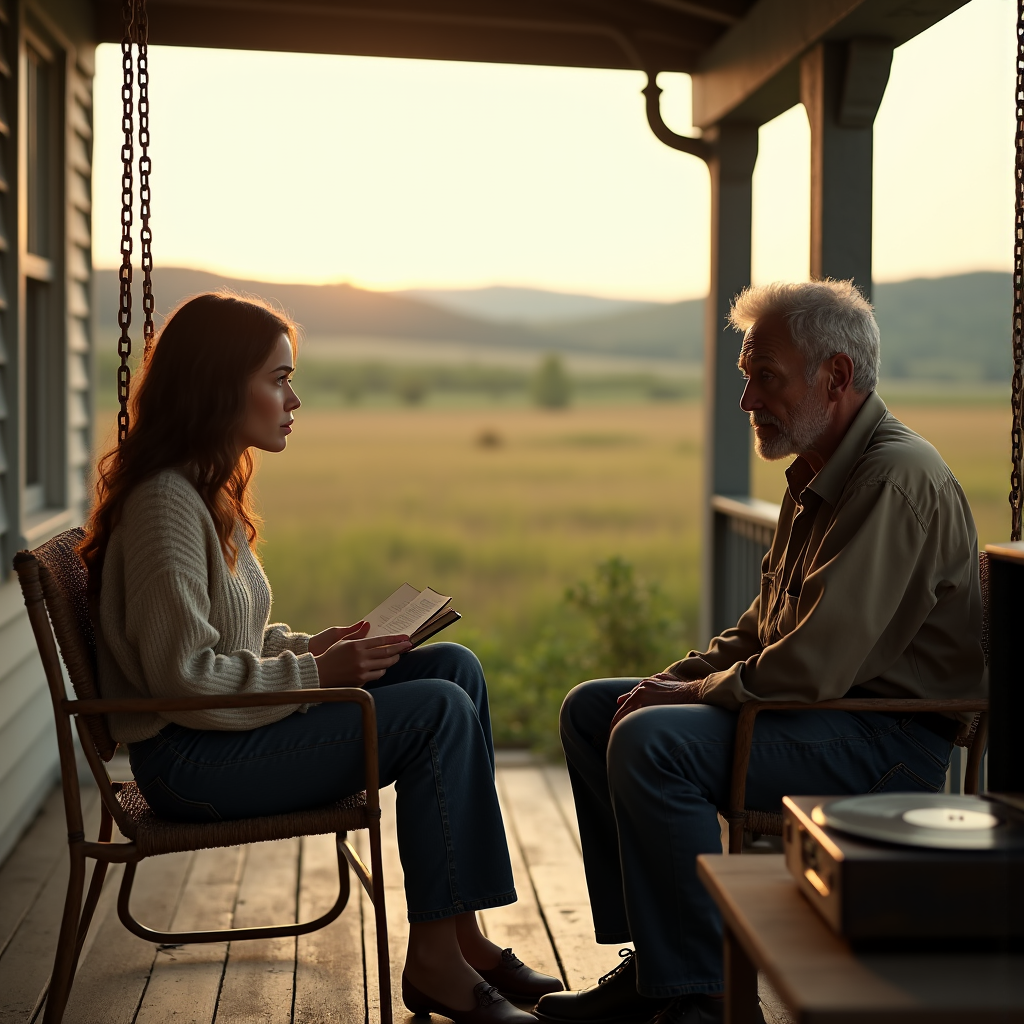
It's easy to dismiss this as “kids these days” – to say that every generation thinks the last one is morally bankrupt. My dad certainly does. He shakes his head when he hears whatever my little cousins are listening to, something with a relentless beat and lyrics he can’t possibly understand. But this study feels different. It's not just subjective opinion; it's data. It’s an attempt to quantify a feeling, a sense of unease I’ve been grappling with for a while.
It makes me think about Phoebe, actually. Her music isn’t exactly sunshine and rainbows. It’s full of heartbreak and loss and quiet desperation. But there’s also a thread of tenderness woven through it all, a yearning for connection, a refusal to completely give up on hope. The two hundred people who reblogged that one piece I wrote about her – that was… validating. It felt like someone, somewhere, was feeling the same things I was, searching for the same solace in music.
The thing about data is that it’s impersonal. It doesn’t care about individual artists or individual songs. It just points to a larger trend. And the trend, as far as this study suggests, is that the music we consume is reflecting a change in our values, a shift in how we see the world. Is that change inherently bad? I don’t know. Maybe it’s just evolution. Maybe it's a reaction to something else.
I’m not a sociologist or a musicologist. I’m just a kid from Ohio who writes about music because it makes her feel something. But I do think music matters. It’s a cultural barometer, a reflection of who we are and what we believe. And if the music we’re listening to is telling us that we’re becoming more cynical, more self-absorbed, then maybe it’s time to take a closer look at ourselves.
Maybe it's just a phase. Maybe this bleakness will pass. But right now, looking at the data, listening to the music, I can't help but feel a little bit… anxious. I hope my dad doesn’t read this. He’d just say I’m being dramatic. But I think he’d understand, deep down, that sometimes the songs we listen to aren’t just for entertainment. They're a reflection of our souls.