The Checklist Kids Lost Their Sparkle
Sometimes it feels like we’re building a house out of Lego bricks – each little activity carefully chosen, color-coordinated, and strategically placed to cre...

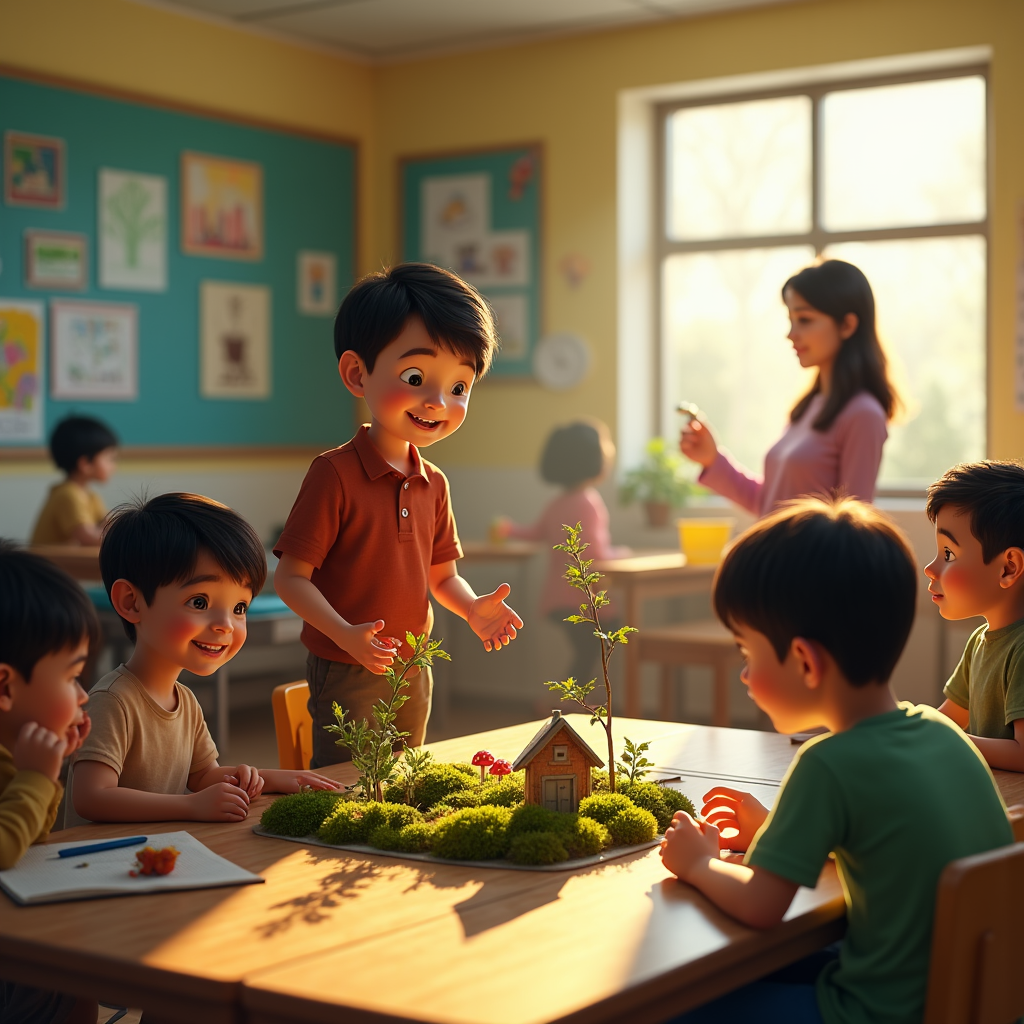
Sometimes it feels like we’re building a house out of Lego bricks – each little activity carefully chosen, color-coordinated, and strategically placed to create an impressive structure that will supposedly impress someone else. College admissions offices, mostly. It's a conversation I hear constantly from parents; "What's she *doing*? What about the robotics club? Does he play anything?" Like a checklist for success. And you see it in the kids too – that anxious energy radiating off them as they juggle debate practice with volunteer hours and violin lessons, all while trying to maintain good grades.
I remember one boy, Mateo, came into my room 214 last year, practically vibrating with stress. He was on the cross-country team, played piano, volunteered at a local animal shelter, and somehow still managed to get A’s in everything. “Mr. Hayes,” he said, his voice tight, "I don't have time for anything else.” He wasn’t complaining, exactly. Just stating a fact that felt heavy enough to buckle his knees. I didn’t tell him to slow down or find a hobby. What was I supposed to do? Tell him to enjoy being ten years old?
It’s funny, though. When they're little, it's different. My cousin Sarah's daughter, Lily, is six. She started a "fairy garden club" in their backyard last spring, and the whole neighborhood was involved – building miniature houses out of twigs and leaves, painting tiny stones to look like mushrooms. Pure, unadulterated joy. No pressure, no resume-building, just kids making stuff up and having fun. It was beautiful to watch. Where does that sparkle go?
The shift happens somewhere around fifth or sixth grade, I think. Suddenly, it’s not about the process anymore; it's about the outcome. The “right” activities become more important than any actual interest. It's like they start measuring their worth based on a list of accomplishments instead of by how much they actually *enjoy* something. A few years ago my grandmother started teaching me her Sunday gravy recipe. I used to dread it because it took so long - chopping, simmering, adjusting seasoning for hours – but now…now I see that slow cook as the perfect metaphor for real involvement in something. It's not about checking a box; it’s about investing your time and energy into something you care about.
My role, I think, isn't to tell them *what* to do, but to give them space to discover what they truly like. Sometimes that means encouraging them to try things even if they seem intimidating - joining the school newspaper, auditioning for the play, running for student council. But it also means okaying when something isn’t working—when piano lessons become a source of anxiety instead of enjoyment. It's about reminding them that "no" is a perfectly valid extracurricular activity.
I’ve noticed parents are starting to get it too. There was a conversation at pick-up last week – Mrs. Rodriguez, whose son is on the basketball team but clearly miserable, telling another parent she was seriously considering pulling him. She said, “He deserves to *like* what he's doing.” It shouldn’t be revolutionary to believe that kids should actually enjoy their after-school activities, but it feels like we’ve forgotten sometimes.
And for the teachers, it’s about creating spaces – in our classrooms, on field trips, during lunchtime—where those sparks of interest can ignite. We don't need formal clubs or elaborate programs to cultivate passion and belonging. Sometimes just letting kids build a fort out of chairs in the corner during free time is enough. It's where they’ll start their own fairy gardens, discover leadership skills without realizing it, learn how to persevere through frustration.
It really comes down to agency—letting them make choices, even if those choices aren’t on the "perfect college application" track. Let them fail sometimes, too. It’s messy and uncomfortable to watch, but those failures are often where they discover their resilience – that stubborn little ability to get back up and try again. And honestly? That's a skill far more valuable than a first-place trophy.