
The Compromise of Learning
It’s funny, really – how everything feels like a compromise these days. I was sitting at my kitchen table last week, stirring that gravy my grandmother start...

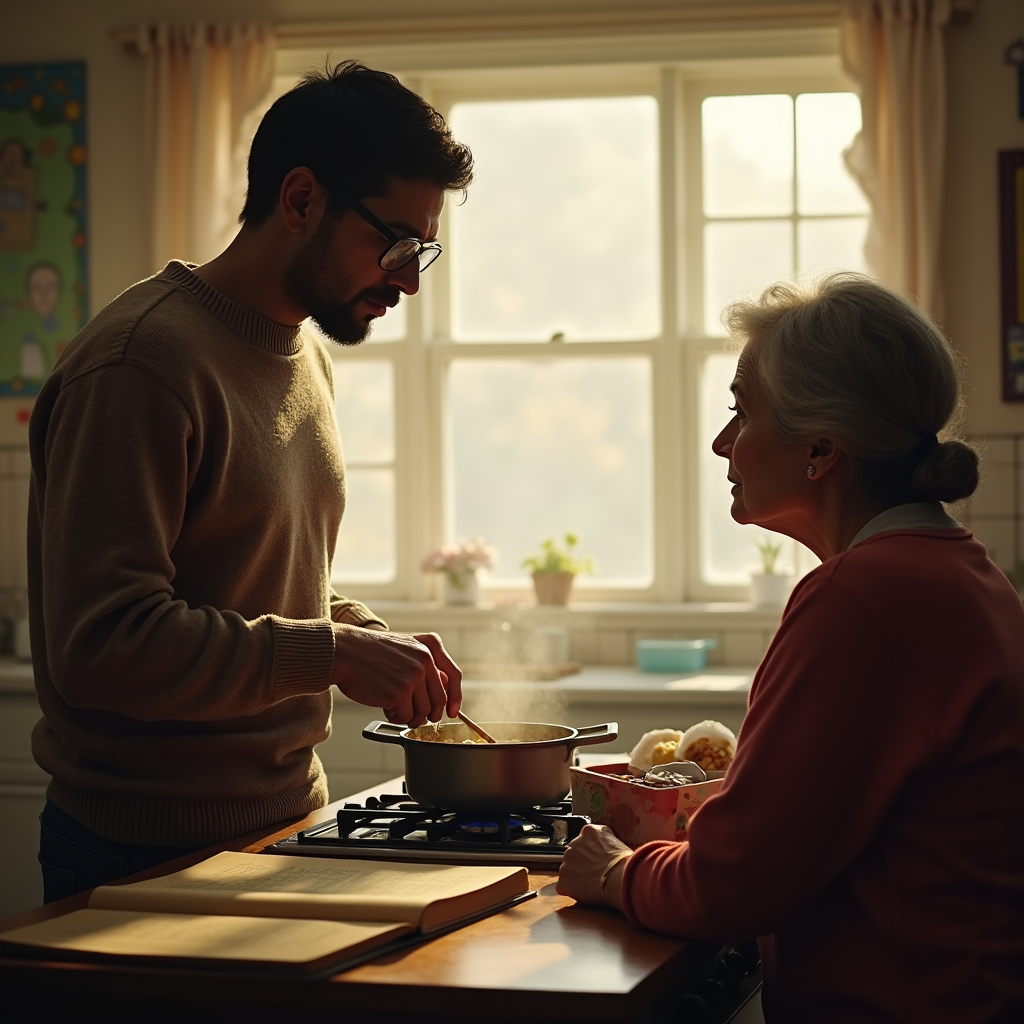
It’s funny, really – how everything feels like a compromise these days. I was sitting at my kitchen table last week, stirring that gravy my grandmother started teaching me to make years ago, and thinking about school. About room 214, specifically. Those kids… they move fast. Faster than I remember moving when I was their age, even faster than my cousins who are just a few years behind them. They’re bombarded with information constantly, little snippets flashing across screens all day long. And now we're supposed to meet them where they are?
It started subtly. A suggestion from the principal about breaking down lessons into smaller chunks – “microlearning,” they called it. Fifteen-minute segments, ten-minute activities, quick quizzes. Sounds efficient on paper, right? Like we’re being responsive, innovative. But I can't shake this feeling that sometimes, we’re just chasing something that isn’t actually helping them learn. It reminds me of when my aunt tried to get everyone into sourdough baking during the pandemic – all hype and complicated instructions for bread that mostly tasted like disappointment.
I remember one kid, Mateo, last year. Sharp as a tack, could debate you blue in the face about anything, but couldn't sit still for five minutes straight. You try reading Shakespeare with someone bouncing in their chair, fiddling with their pencil, already halfway to another thought. I felt guilty, honestly, like I was failing him just by trying to teach something that felt…big. So we started breaking things down. Smaller passages, different activities – a quick drawing of a scene, a short discussion. He seemed more engaged, at first.
But then there's the nagging worry. Are those bursts of engagement actually *learning*? Or are they just momentary distractions from the fact that understanding complex ideas takes time and wrestling? It’s like trying to build a house with Lego bricks when you really need mortar. You can stack them high, make it look impressive for a second, but there's no real foundation. My grandmother always said good cooking takes patience – simmering sauces, slow roasting, letting the flavors meld together over time. You can’t rush those things.
I saw some of that impatience reflected in my cousins this summer too. They wanted instant gratification, quick fixes. "Just show me how to do it," they'd say, instead of wanting to understand *why* something worked. It's the world we live in now, I guess. Everything has to be fast, digestible, instantly rewarding. And as teachers, are we supposed to just adapt and give them what they want?
There’s a good argument to be made that different kids need different approaches. Some learn best through visuals; some thrive on hands-on activities. Maybe microlearning *can* be the key for Mateo and others like him – a way to break down those big, intimidating concepts into manageable pieces. I wouldn't want to deny anyone access to knowledge just because my own methods have always worked, or seemed to work, in the past.
The other day, I was talking with Mrs. Kowalski from the science department - she’s been experimenting with these really short video explanations of complex concepts, followed by a quick check-in question. She seemed optimistic. Said it helped her students synthesize information more quickly. Part of me wants to believe her, truly. But another part worries that we're training them to be information consumers, not critical thinkers.
I don’t have the answers, I suppose. All I know is that teaching isn’t about following a formula. It's about watching those kids in room 214, trying to figure out what they need, and adjusting accordingly. And sometimes, that means slowing down, resisting the pressure to constantly innovate, and just letting things simmer – like my grandmother’s gravy – until they’re ready.