The Dopamine Trap: Chasing Digital Ghosts
Look, it’s hitting different now. I’m seeing it everywhere, this… compulsion. Not just with folks I know, but online, in the comments, the quiet desperation ...

Look, it’s hitting different now. I’m seeing it everywhere, this… compulsion. Not just with folks I know, but online, in the comments, the quiet desperation behind the flex. It used to be just hitting up the corner store for a scratch-off, chasing that little flicker of hope, you know? Now, it’s this constant drip, this low-key loop of small bets, small wins, and then… the inevitable slide. It's almost designed to be that way.
I’ve been thinking a lot about dopamine lately. It’s that chemical messenger that tells your brain, "Hey, do that again!" It’s what makes music feel good, a fresh beat, a perfectly tailored fit. But it's also what gets hijacked, twisted into something that isn't about joy anymore. It's about the chase, the tiny jolt of anticipation that comes with clicking that button, scrolling that feed, waiting for the result. That initial hit is addictive enough, but the algorithms are engineered to keep you wanting more, feeding you increasingly personalized content, tailored to your behavior.
Remember that beat I made back in August? The one that just... clicked? That feeling wasn't just about the music itself. It was about the satisfaction of creation, the tangible reward of seeing something come to life. This constant stream of micro-bets is the opposite of that. It’s a void, a distraction. It feels productive because you’re actively doing *something*, but you’re not really *making* anything. You’re just exchanging money for a fleeting moment of manufactured excitement.
I got a friend, we'll call him DeShawn, always hustling. He's a sharp guy, working on his business, grinding. But he's fallen into this too. These platforms, they’re selling a dream – the illusion of easy money, of being in the know. He'd tell himself, “Just a little something extra,” and then it turns into checking his phone every fifteen minutes, feeling this low hum of anxiety if he doesn't. It’s not about the money anymore, it's about the *feeling* of chasing it.
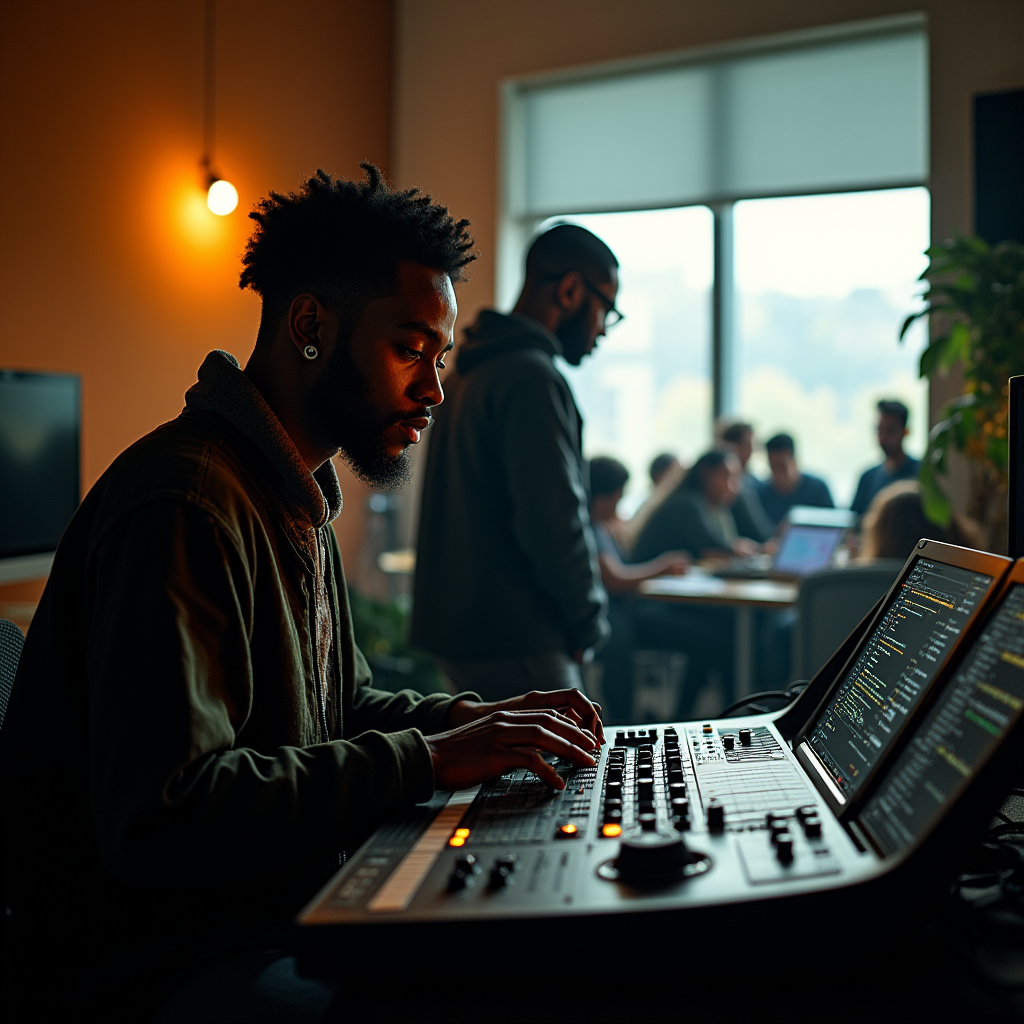
My studio, where I'm actually creating, that's my sanctuary. The bass rattling the walls, the smell of the mixing board... that's genuine reward. This stuff online? It’s an imitation. You can get that rush anywhere – it doesn’t have to be tied to throwing money at a digital wheel. The key is finding those real anchors, those activities that genuinely fulfill you, that give you that deep, lasting satisfaction. For me, it's the music. For DeShawn, I'm hoping he rediscovers his passion for coding, something he used to light up about.
It’s a process, and it ain’t easy. It's about recognizing the pattern, seeing how the brain gets tricked into wanting more, even when it knows it’s not good for it. It's not about willpower, it’s about creating new pathways. Because your brain is malleable, you know? It adapts. If you keep feeding it this stuff, it's going to reinforce that craving. But if you start feeding it something else – real creation, genuine connection, meaningful work – it will shift. It will learn to find satisfaction elsewhere.
The classroom is another anchor. Professor Johnson's lecture on urban development last week actually grounded me. Hearing about the revitalization of neighborhoods, the tangible impact people are having on their communities... that was a different kind of reward than whatever I was getting from those apps. It was about something bigger than myself. That's the type of feeling that sticks, that sustains.
This isn’t a lecture. It’s just… an observation. A shared feeling. This digital landscape is designed to be seductive, to keep us hooked. But we aren’t powerless. We can choose to step away, to reclaim our attention, to find those real rewards that nourish our minds and souls. We got to be more intentional. We got to be more conscious about what we’re feeding our brains. We got to build our own escapes.