The Empty Space and Silk Scarves
Sometimes I think about that feeling—the low hum of wanting something *more*. Not necessarily better, just… more. It used to surface mostly after Jacobs Pavi...

Sometimes I think about that feeling—the low hum of wanting something *more*. Not necessarily better, just… more. It used to surface mostly after Jacobs Pavilion. The post-show buzz would fade, and suddenly this emptiness would creep in, a quiet ache demanding attention. Then, almost instinctively, my fingers would start scrolling through online stores, drawn to the bright colors and curated perfection of everything I didn’t have. It wasn't really about needing anything specific; it was more like filling a space.
I remember once buying three different shades of blush – all basically variations on pink – because I felt… scattered. Like my thoughts were jumping around and I needed something to anchor me, to make me feel pulled together again. They sat in my makeup bag untouched for months afterwards. The purchase itself had been the point, that fleeting surge of satisfaction as the package arrived a few days later. It's easy enough to tell yourself you *deserve* it. Especially when the alternative is facing down whatever was making you feel scattered in the first place.
It’s funny, isn’t it? How easily pleasure can masquerade as relief. That initial dopamine rush – that jolt of excitement – is so immediate, so tangible. It feels like a reward, a justification for feeling however you're feeling. Suddenly buying that silk scarf isn’t about vanity; it’s a small act of self-compassion. A tiny kindness given to yourself when the world feels overwhelming. The whole thing can feel almost… virtuous?
But then comes the quiet aftermath. The realization that the scarf is beautiful, yes, but also just another item in a pile of things. The blush remains unused. And the emptiness, well, it’s still there, lurking beneath the surface. It's a strange cycle – briefly calming, ultimately unfulfilling—a chase after something you can’t quite grasp. I noticed this pattern intensifying after Nationals last year. There was so much pressure to perform, to be *perfect*, that any small imperfection felt like a massive failure. A new sweater seemed like an easy way to temporarily mask it all.
I think the appeal lies in regaining some sense of control. When life feels unpredictable – when you’re navigating the weirdness of post-show reorganization and figuring out what comes next—buying something becomes a tiny, self-contained decision that *you* have complete mastery over. It's an illusion, obviously. You can’t buy your way out of uncertainty or anxiety. But in the moment, it feels like you've momentarily wrestled back some agency.
It’s tempting to dismiss these impulses as just being a little frivolous, a harmless indulgence. And maybe they are—sometimes. But lately I’ve been trying to pay more attention to *why* I feel that urge to shop. What am I actually running from? It's uncomfortable work, digging around in those feelings instead of reaching for the quickest, easiest distraction. Acknowledging the emptiness is less appealing than filling it immediately, but maybe – just maybe – it’s a necessary step.
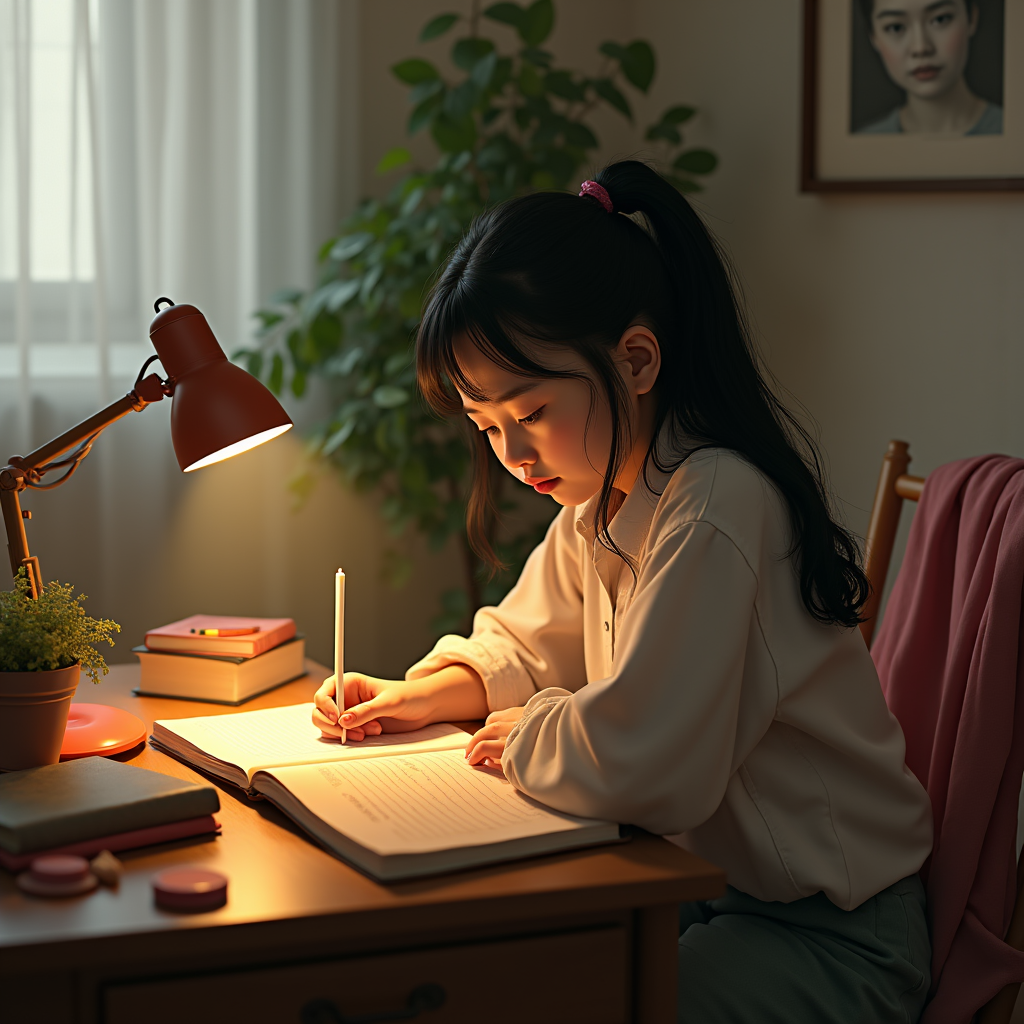
I started tracking my mood and spending habits in a notebook recently, mostly because I felt weirdly disconnected from reality sometimes. It wasn't meant to be a formal analysis or anything; more like a quiet check-in with myself. Seeing the patterns laid out on paper—the post-performance slump consistently followed by online browsing – has been surprisingly illuminating. It’s not about stopping entirely (who am I kidding?), but about recognizing when that "more" is just a way of avoiding something else.
Maybe it's as simple as allowing myself to feel those uncomfortable feelings without immediately trying to fix them. Accepting the quiet ache, knowing it will eventually pass. Maybe, instead of buying another scarf, I could just… breathe. And keep writing. The twenty-seven people who read my post weren't a massive audience, but their quiet response felt more meaningful than any amount of online shopping ever could.