The Human Element Beyond The Algorithm
The thing about building something real – a beat, a fit, a connection – is that it’s more than just data points. It’s feeling. It's weight. I was messing wit...

The thing about building something real – a beat, a fit, a connection – is that it’s more than just data points. It’s feeling. It's weight. I was messing with this new synth patch last week, trying to capture this specific vibe, you know? A kind of bittersweet nostalgia for something I never even had. And I realized, as much as I’m fascinated by what AI can do – and let me be clear, it *is* doing some crazy things – it's fundamentally missing that human ingredient.
I saw an article the other day about how AI is getting really good at reading micro-expressions, predicting emotional responses. They're training these models on mountains of data, trying to map every flicker of a smile, every tightening in someone’s jaw, to a corresponding emotion. It’s impressive, honestly. But it also feels...hollow. Like studying an echo instead of the source of the sound. Because reading a face isn't just about analyzing pixels; it's about years of shared experiences, of context, of *being* in the room with someone and feeling the energy shift.
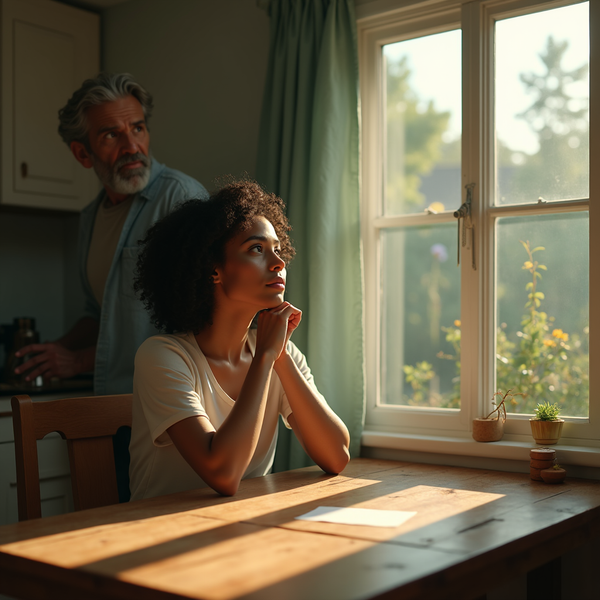
Think back to when my cousin DeShawn was going through it last year. He didn’t need someone to tell him what he *should* be feeling. He needed someone to just...be there. To listen without judgment, to acknowledge his pain, to offer a hand sometimes. No algorithm could have provided that. An AI might have suggested coping mechanisms or offered some pre-programmed platitudes, but it wouldn't have understood the depth of what he was carrying.
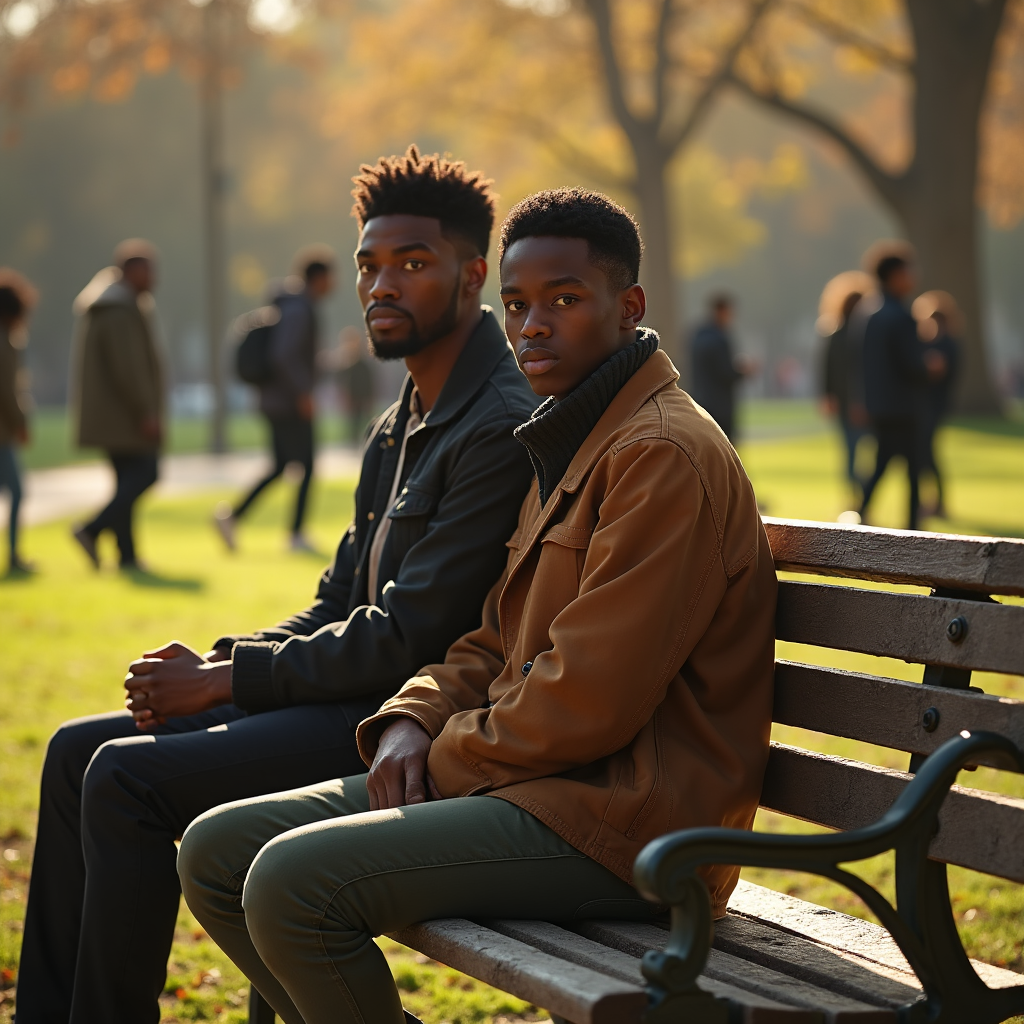
I’ve been slacking on my bio classes lately. The pressure, man. Everybody wants you to follow a path – get this degree, land this job. But when I’m in that bedroom studio, building soundscapes or piecing together outfits, there's a different kind of logic unfolding. It feels intuitive, almost primal. And it reminds me how much our bodies are intertwined with our emotional states. How walking through Grant Park on a sunny afternoon can feel like medicine sometimes. Just the rhythm of your feet hitting the pavement, the sunlight on your skin...it recalibrates something deep inside you.
You hear people talk about "walk-and-talk" therapy now – it's trendy, I guess. But honestly? Moving your body is fundamental. It’s not just a perk; it’s essential to processing trauma, to regulating your nervous system. AI can simulate conversation, maybe even mimic empathy through tone and language, but it can't replicate the reciprocal mirroring that happens when two humans move together in space. That subtle synchronization of breathing, posture – it’s a form of nonverbal communication that goes beyond words entirely.
There's this anxiety I feel sometimes, seeing how quickly things are evolving. The prospect of AI taking over certain roles, even in fields like mental health…it’s unsettling. But maybe, instead of fearing it, we should use its advancement as an opportunity to re-evaluate what truly matters. To reaffirm the inherent value of human connection.
It's like that beat I made last month. It wasn't about chasing a trend or trying to sound like someone else. It came from somewhere deep inside me, a place of longing and resilience. And it’s something an algorithm could never replicate – not because of some technical limitation, but because it lacks the lived experience, the emotional history that informs its creation.
I'm still figuring things out, balancing classes with music and design. The tension between what I *should* be doing and what I feel driven to do is real. But one thing I know for sure: human connection – genuine empathy, shared vulnerability, the simple act of being seen – that’s something worth fighting for. That’s something no machine can replace.