The Joy of Making: Letting Go of Perfect
Sometimes, I watch them draw, these kids, and I remember what it was like to be them. Not the knowing, adult version of remembering – I’m talking about the a...

Sometimes, I watch them draw, these kids, and I remember what it was like to be them. Not the knowing, adult version of remembering – I’m talking about the actual feeling of it, the way the crayon felt in your hand, the particular shade of blue you chose for the sky, convinced that *this* was exactly how the sky looked. Room 214 is full of those moments, scattered across the walls in finger paint and construction paper. But I also see, increasingly, a different kind of drawing. The kind that starts with a furrowed brow and ends in frustrated tears.
It’s always the same story. A parent, well-meaning, I’m sure, pointing out that the house isn’t quite symmetrical, that the flowers aren’t realistically rendered, that the person being drawn “doesn’t look like them.” It's a small thing, a seemingly insignificant observation, but it has this power to shut something down. To put a lid on the joy of making. They want to please, these kids. They want to get it right. And the desire to please, the desire to be *right*, gets in the way of actually creating.
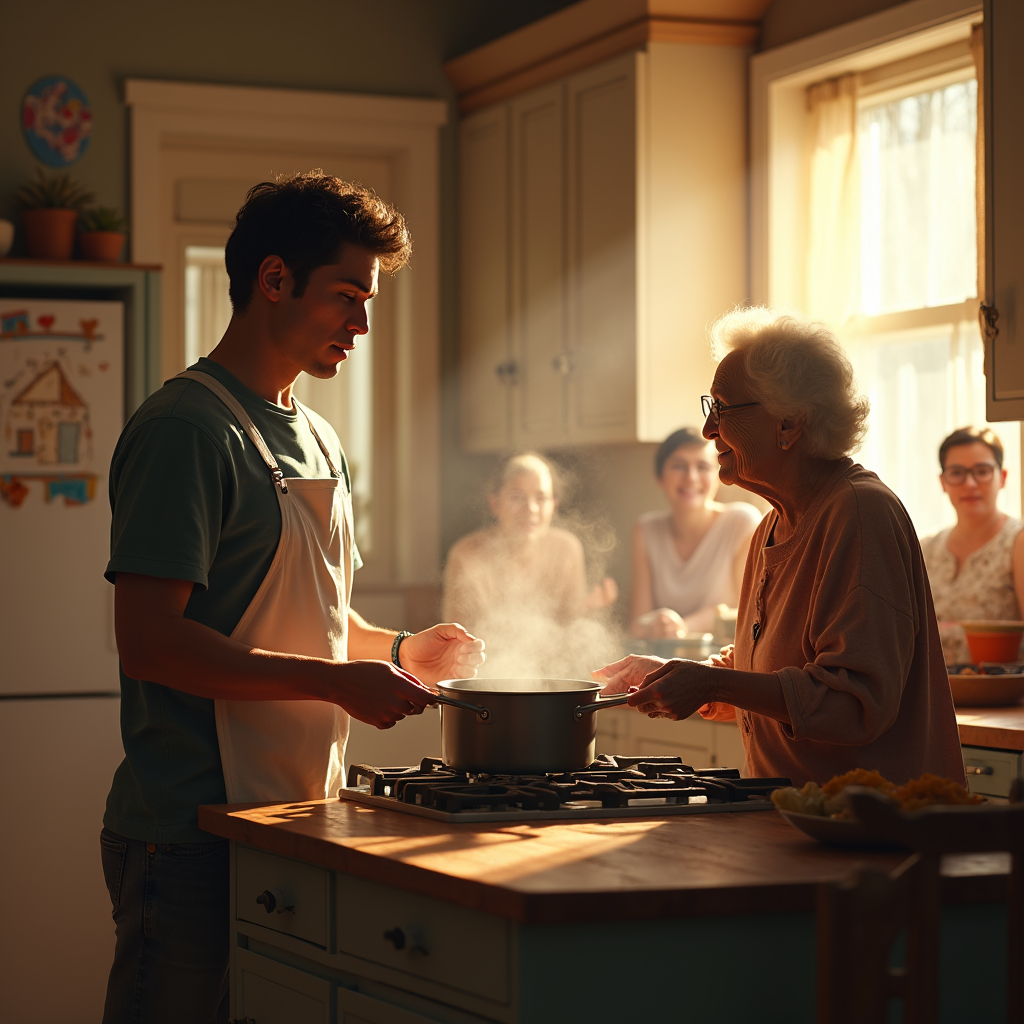
My grandmother, she used to make Sunday gravy. A slow, simmering thing that took hours and a whole lot of love. I’d stand on a stool next to her, stirring the pot, asking a million questions. She never cared if it was perfect. She’d taste it, adjust the salt or a little bit of sugar, and say, “It’s gravy, kid. It’s supposed to be good. Not perfect.” And it always was good. The process was the point, the time spent together, the shared tradition. It wasn’t about producing a flawless product for someone else’s approval.
I think that's what’s missing sometimes. That understanding that the journey is just as, if not more, important than the destination. These kids, they’re getting so caught up in the destination, in what the finished product will look like, that they’re missing out on the messy, joyful, unpredictable process of creating. They're afraid to make a mistake. They’re afraid to be *wrong*.
I saw it the other day with a girl who was building a tower out of blocks. She’d been so focused on making it tall and stable that she completely missed the opportunity to experiment, to try different shapes, to see what would happen if she leaned a block precariously to the side. When it inevitably toppled over, she didn't laugh. She just looked deflated, like she’d failed a test. Her mother rushed over, not to help her rebuild, but to offer a critique of its structural integrity.
I went back to the gravy this summer. Started with my grandmother's recipe, of course. It felt good to be at the kitchen table, stirring that pot, letting the scent fill the air. It wasn't about replicating her masterpiece exactly. I added a little oregano this time. Some red pepper flakes. It wasn't *perfect*, but it was mine. And it was good.
It's not that achievement isn't important. It’s not that I don’t want these kids to excel. But I’ve seen firsthand what happens when that desire for achievement becomes all-consuming, when it crushes the spontaneity, the joy, the simple pleasure of making something, anything, just for the sake of it. The Sunday gravies I've made recently haven't been quite as good as my grandmother's, but they’ve been better than any I made before. They were born from a process.
I wish the parents, I wish everyone, could remember what it felt like to just *make*. To build a wobbly tower, to draw a blue sky that wasn’t quite right, to stir a pot of gravy and add a little something extra. To be okay with it not being perfect. Because those imperfections, those mistakes, those messy, joyful moments – those are the things that truly matter. Those are the things that spark the creativity that will carry them, long after the crayons are put away.