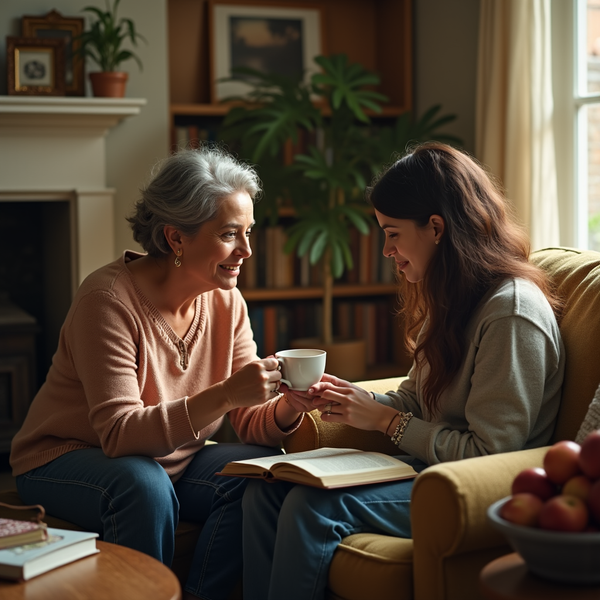
The Lost Art of Just Being There
It feels like everyone’s talking about it – this slow fade of just… hanging out. Not a party, not an organized activity, but literally being in the same spac...

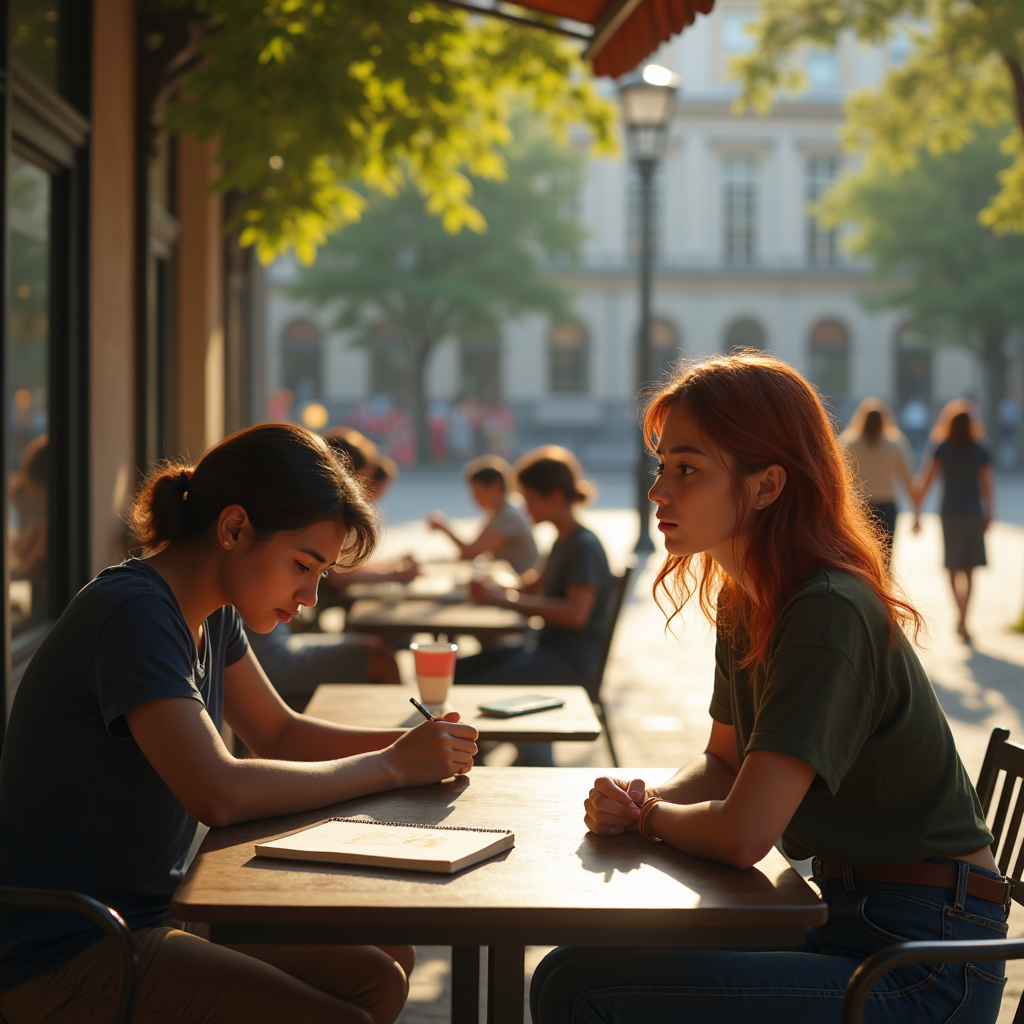
It feels like everyone’s talking about it – this slow fade of just… hanging out. Not a party, not an organized activity, but literally being in the same space as other people and letting something happen. My friends and I used to do that, naturally, without thinking twice. Jacobs Pavilion last week felt different though. There was a sort of expectation layered over everything, like we were performing a scene from a movie instead of just *being*.
I’ve noticed it in myself too. It's easier to send a quick message than it is to actually call someone. Easier to scroll through Instagram than to walk down the street and see who’s around. It’s not necessarily that I *want* to, but there’s this mental inertia, like getting up from the couch requires monumental effort when there's something perfectly diverting on my phone. And it feels… isolating, in a way that just having a lot of online friends doesn't fix.
My dad keeps saying things like "When I was your age..." and honestly, I usually tune him out. He’ll talk about playing street hockey until the streetlights came on or hanging out at the local diner after school. It always sounds so… idyllic. But lately, those stories haven't felt dismissible. They feel like a ghost of something we've lost—a low-key, effortless form of connection that’s been replaced with scheduled video calls and meticulously curated online personas.
I think part of it is the disappearance of “third spaces,” these places where people just… are. Remember Mrs. Petrovich’s bakery downtown? It closed last year. Used to be you'd see everyone there – neighbors, old friends, people you knew vaguely but felt a sense of shared community with. Now, it's another empty storefront. The bowling alley shut down too. It wasn’t about *doing* anything specific; it was just… being somewhere that attracted other people and fostered interaction.
It’s not all doom and gloom, obviously. Digital connection has its advantages. I wouldn't have reconnected with some of my friends from middle school without Instagram. But there's a crucial difference between a curated online presence and the messy, unpredictable energy of real-life interactions. The ability to read body language, to respond instantly to subtle shifts in tone – those are skills you learn through physical proximity, not through emojis.
My mom has started trying harder to facilitate “opportunities” for me to socialize—suggesting hiking trips with friends, or inviting people over after school. It feels a little… forced sometimes. Like I'm being engineered into friendship instead of it just happening organically. And honestly, that’s probably my fault too. Part of the inertia is simply embarrassment at suggesting something “low-key” when everything feels so structured and performative these days.
I wrote something online recently—just a few paragraphs about feeling disconnected – and unexpectedly, more people read it than anything I'd written before. Twenty-seven people. It was strange. I checked the counter obsessively for hours afterward. It wasn’t about the numbers; it was that so many others seemed to be wrestling with this same feeling. The validation felt hollow, though. A fleeting digital blip in response to a persistent, real-world problem.
Maybe the solution isn't elaborate social engineering or guilt trips from well-meaning parents. Maybe it’s just about creating space—physical and mental—for those moments of undirected interaction. Putting down our phones for five minutes at the coffee shop. Going for a walk around the neighborhood, even if we don’t have anywhere specific to go. Hoping that something… *happens*.