The Performance of Authenticity
It feels weird to write about belonging. Like I’m trying to define something I’m not entirely sure I possess, or at least, not in the way everyone else seems...

It feels weird to write about belonging. Like I’m trying to define something I’m not entirely sure I possess, or at least, not in the way everyone else seems to. The internet, naturally, is supposed to be the antidote to that feeling – a sprawling network of shared interests, a constant hum of connection. But lately, it feels more like a gigantic, meticulously curated echo chamber.
I saw this trend on Instagram, these photos where people are deliberately posting… bad pictures. Like, blurry, poorly lit, unflattering. No filters, no posing, just a snapshot of, I guess, *real* life. And honestly? It's unsettling. Part of me wants to applaud it, this rejection of the constant pressure to appear perfect online. But another part of me feels like it's just another performance, another way to signal authenticity. It’s curated “unfilteredness.”
It reminds me of that National show I went to a couple of years ago. Being surrounded by people who loved the same music, who understood the subtle shifts in tempo and the quiet intensity of the lyrics… that was something. A genuine feeling of shared experience. The blog started gaining a little traction after that, mostly local stuff. My dad, predictably, would ask, “So, is this going to be a *thing*?” He doesn’t get it. He doesn’t get *any* of it. My mom, though, she just smiles and asks if I’m having fun. That’s her version of support.
There's a weird loneliness in knowing that so many people are crafting these elaborate online personas, these carefully constructed versions of themselves. It's not that I haven’t done it too. Everyone does. The difference is, sometimes I catch myself and think, “Who is that person I'm pretending to be?” And I realize I don’t even know anymore.
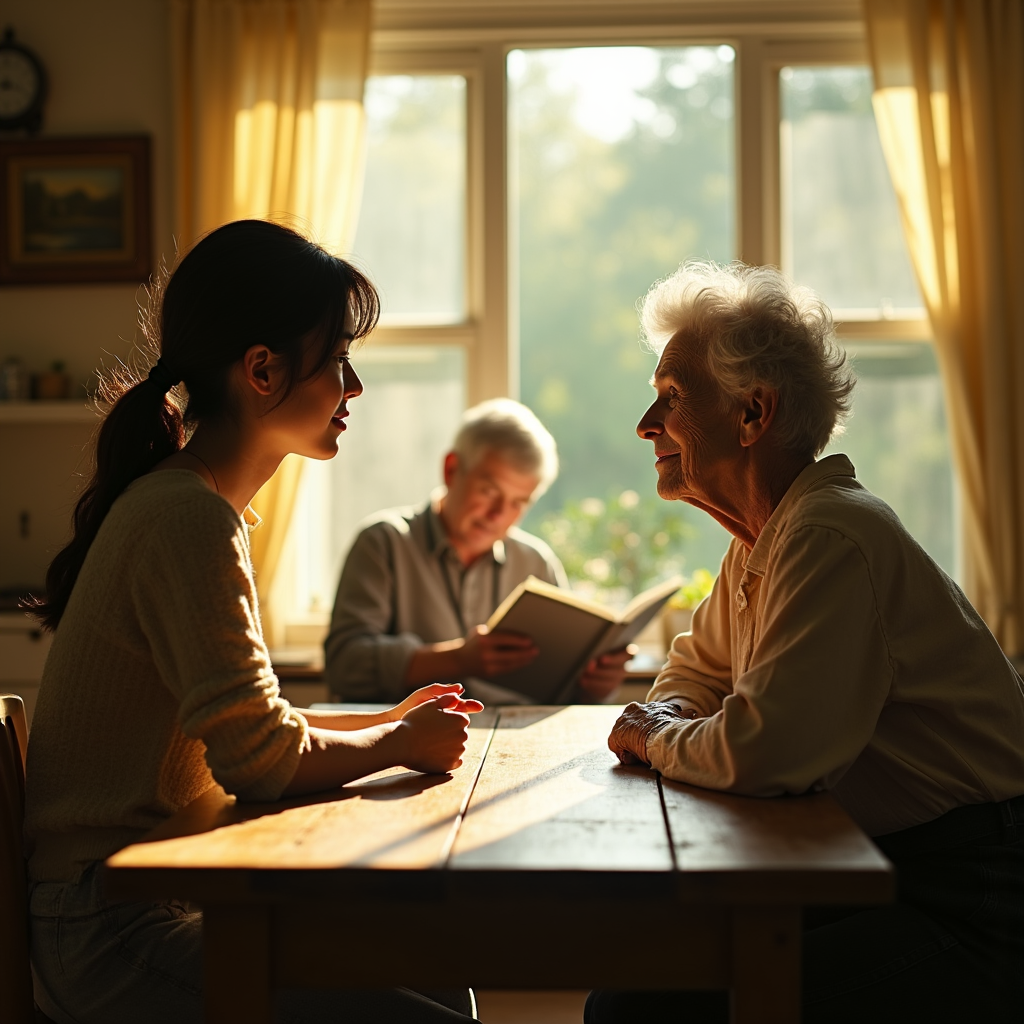
It makes me miss real conversations. Like the ones you have with someone sitting across from you, where you can actually see their expression, the subtle cues that tell you what they’re *really* saying. I had a conversation with my neighbor, Mrs. Peterson, last week about her cat. It wasn't profound or groundbreaking, but it was *real.* There was a comfort in the simplicity of it. Something you don't find in a comment thread.
Even the emojis feel like a betrayal. Like we’re dumbing down language, reducing complex emotions to tiny, pixelated icons. I used to find them funny, a little bit of flair in an otherwise sterile online exchange. Now, they just feel… hollow. Like a substitute for actual feeling. I saw someone use the crying laughing emoji after a post about someone's pet dying. That felt… wrong.
The Phoebe Bridgers show was a turning point, too. Seeing people reblogging my write-up, people I’d never met, in places I’d never been… it was the first time I felt like I was reaching beyond my little corner of Ohio. It was also terrifying. Suddenly, I was responsible for something that existed outside of my bedroom, something that people were reacting to, judging. That feeling of connection was amplified, but so was the anxiety.
Maybe belonging isn’t about finding a tribe online, or crafting the perfect Instagram post. Maybe it’s about finding those small, quiet moments of connection, the Mrs. Peterson conversations, the shared silence at a concert, the feeling that you’re seen, truly seen, by another human being. And maybe, just maybe, letting go of the performance and embracing the messiness of being *real*. That’s the hard part, I think. The being real part.