
The Performance of Outrage Online
It’s unsettling, isn’t it? This thing we’ve allowed to blossom in the digital spaces we’ve created—this willingness to publicly humiliate and condemn. I’ve b...

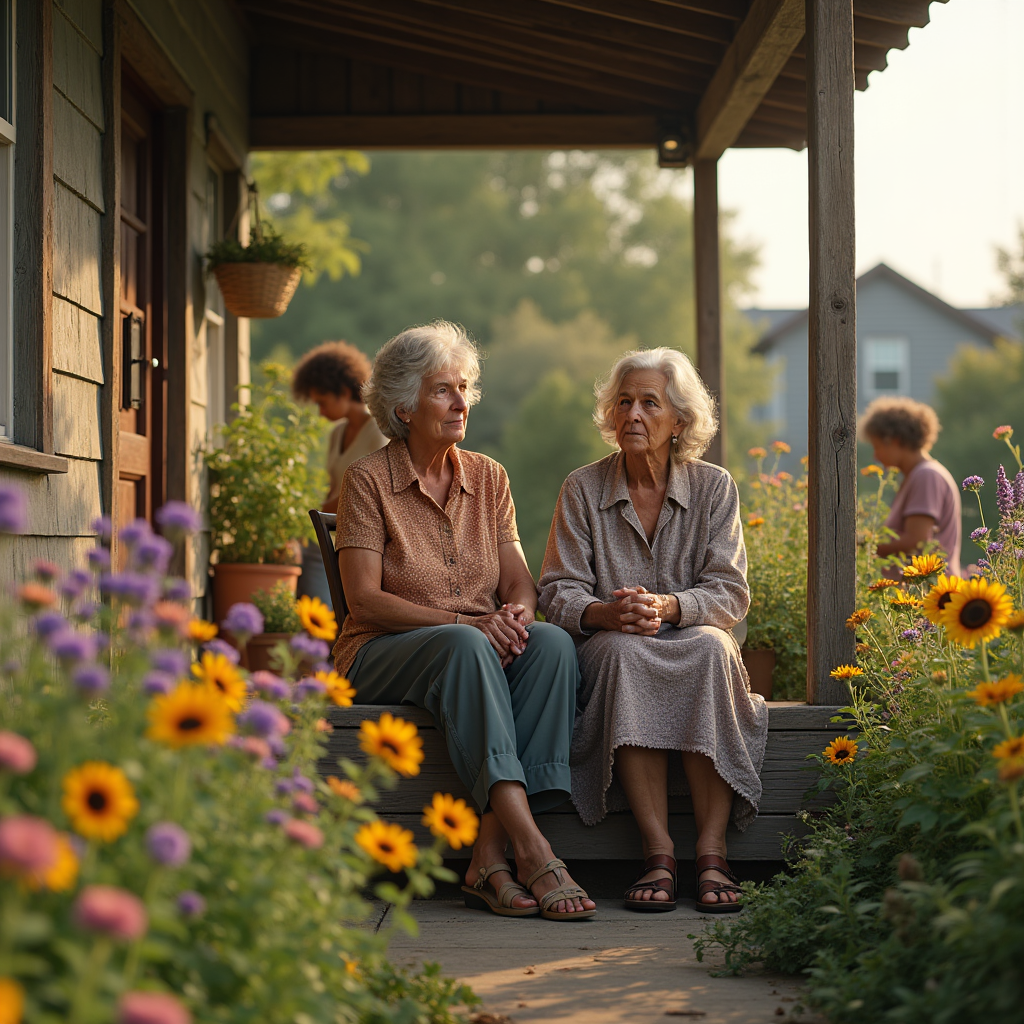
It’s unsettling, isn’t it? This thing we’ve allowed to blossom in the digital spaces we’ve created—this willingness to publicly humiliate and condemn. I’ve been thinking about it a great deal lately, ever since Phyllis and I sat out in the backyard after the equinox, the light just so, and we talked about human nature. Phyllis, bless her, has always been more attuned to the darker corners of the soul than I am, or perhaps I simply preferred not to look.
For years, I saw accountability as a cornerstone of a just society. A teacher’s life, you see, is spent in the business of correcting, of guiding, of holding young people to standards. There's a certain satisfaction in witnessing a student grasp a difficult concept, or acknowledge a mistake and strive to do better. That felt like true progress. But what I’m seeing now, online, is something different—something that feels less about progress and more about a performance.
The recent study I read about—it delved into the reasons people participate in these online pile-ons, and the findings weren’t particularly surprising, but they were deeply disheartening. It wasn't about a deep, abiding sense of justice, it seemed. It was often, it turned out, about feeling validated, about a quiet joy in seeing someone else brought low. A bit of schadenfreude, as the Germans so aptly put it. I always thought I was immune to such things, but I suspect everyone has a little of that lurking within them.
I recall a disagreement I had with a colleague years ago, over a student's grade. A petty thing, really, but at the time, I felt terribly righteous in defending my position. Looking back, I realize that a good deal of my certainty stemmed from a desire to appear knowledgeable and fair, to be seen as upholding the rules. It wasn’t about the student at all; it was about my own image. And how much more easily, I think, that desire plays out online, shielded by anonymity and distance.
The garden, you know, teaches you about consequences. You plant a seed, you nurture it, and it either flourishes or it doesn’t. There’s a direct cause and effect. Online, that directness seems to be lost. It’s easy to lob a stone from behind a wall, to feel a fleeting sense of triumph without truly understanding the repercussions. I’ve planted so many seeds this year, too many, perhaps, in my eagerness to fill the days. But I’ve learned to appreciate the quiet tending, the careful observation.
The platforms themselves, of course, bear some responsibility. They are designed to encourage engagement, to reward outrage. It's a business model that inadvertently incentivizes this kind of behavior. Bernard always said that the internet was a tool, and like any tool, it could be used for good or ill. But I wonder, do we have a moral obligation to shape these tools, to demand that they serve something more than just our own fleeting gratification?
There's a tendency now to equate speaking out with doing good. And of course, there’s a place for passionate advocacy. But when the outrage becomes the primary goal, when the focus shifts from the issue at hand to the act of condemnation itself, then something essential is lost. I’ve seen it happen with my students—a student will become so invested in “being right” that they miss the opportunity to truly learn.
I suppose what I’m trying to say is that we need to be more mindful. More patient. More willing to look inward before we cast stones outward. It's a difficult thing to do, especially in a world that rewards instant gratification. But I think it's the only way we can truly move forward—not just as a society, but as human beings. Phyllis and I will sit out there again after the winter solstice. The light will be different then, shorter, colder. But perhaps, it will illuminate something new.