The Power of Perspective and Growing Older
It’s funny, isn’t it? How we often only start to truly pay attention when something is shifting, when a familiar landscape begins to rearrange itself before ...


It’s funny, isn’t it? How we often only start to truly pay attention when something is shifting, when a familiar landscape begins to rearrange itself before our eyes. For years, I taught literature—Shakespeare, mostly. And one thing you notice repeatedly in those plays is the power of perspective. A tragedy for one might be a triumph for another, depending on how you choose to see it. It’s a lesson that followed me beyond the classroom, tucked away sometimes, but always there.
Now, I've been reading about some fascinating research looking at cognitive health and aging. They're finding connections, interesting correlations between general outlook—how someone tends to approach life—and the risk of conditions like dementia later on. I’m not a scientist by training, mind you. But these findings feel…familiar, somehow. It echoes what I’ve always suspected: that how we *think* about things is just as important as anything else.
I've spent a lifetime watching people—students, colleagues, friends—navigate difficult circumstances. Some crumble under the weight of it all; others find a surprising strength. You see them focusing not on what they've lost, but on what remains. And often, I’d wonder about those quiet reserves of resilience. What was their secret? It seems now that there might be something measurable behind that.
Bernard and I had our share of challenges, naturally. But we always tried to find the humor in things, even when they were difficult. He'd tease me mercilessly, and I’d retaliate with carefully chosen quotes from Dickens or Austen. Small moments, but they built a foundation—a sense that joy could be cultivated, even amidst the inevitable sorrows of life. It wasn’t about ignoring those sorrows, of course, but about holding them alongside hope.
This retirement has been something of an awakening in that respect. Suddenly, I have the space to observe myself more clearly. To notice patterns. To consider things without the pressure of a schedule or the demands of a classroom. And astrology—a practice I always kept mostly private—has become a lens through which I view not just planetary movements but my own internal landscape. It’s less about prediction and more about understanding cyclical nature, accepting change, finding harmony.
The idea that optimism, or at least a consistently positive mindset, could offer some degree of protection against cognitive decline is…well, it's encouraging. Not in a Pollyannaish way, you understand. A realistic hopefulness isn’t about denying difficulties; it’s about facing them with a measure of grace and a belief that things *can* improve, or at least be endured. It’s about finding something worth nurturing, even when the garden feels overgrown.
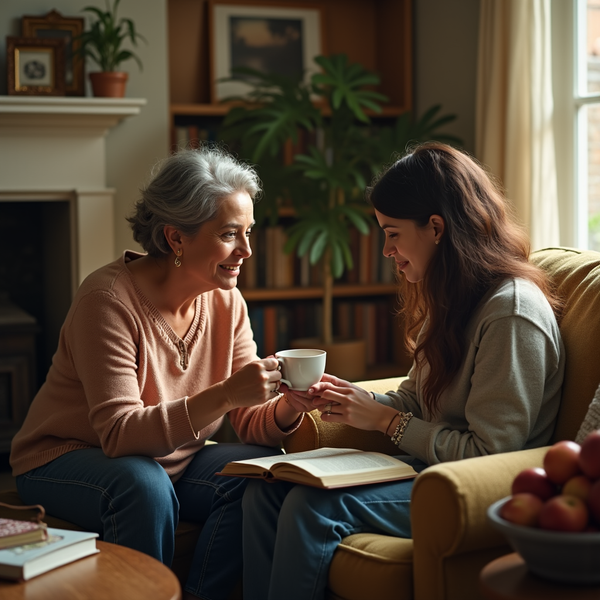
Phyllis and I had our little gathering after the autumn equinox last year—just the two of us, sharing tea and conversation in the backyard. There was a sense of quiet contentment there that has stayed with me. And now, reading these studies, it feels like those small moments of connection and joy might be contributing to something larger than I realized at the time. Something more profound than simply feeling pleasant.
Of course, correlation isn't causation. These are long-term studies—years, even decades—following large groups of people. It’s incredibly valuable work, but it can only show connections; it can’t necessarily prove cause and effect. Still, it offers a reason for hope, doesn't it? A gentle nudge toward tending to our inner gardens, cultivating the things that bring us joy, embracing change with a little more resilience. Because even as we age, there is always room for growth, and for finding beauty in the everyday moments of life.