The Quiet Connection Between Cats and Humans
Well, isn’t that something? I read an article just the other day – one of those things that pop up in my email, a constant stream of them these days now that...

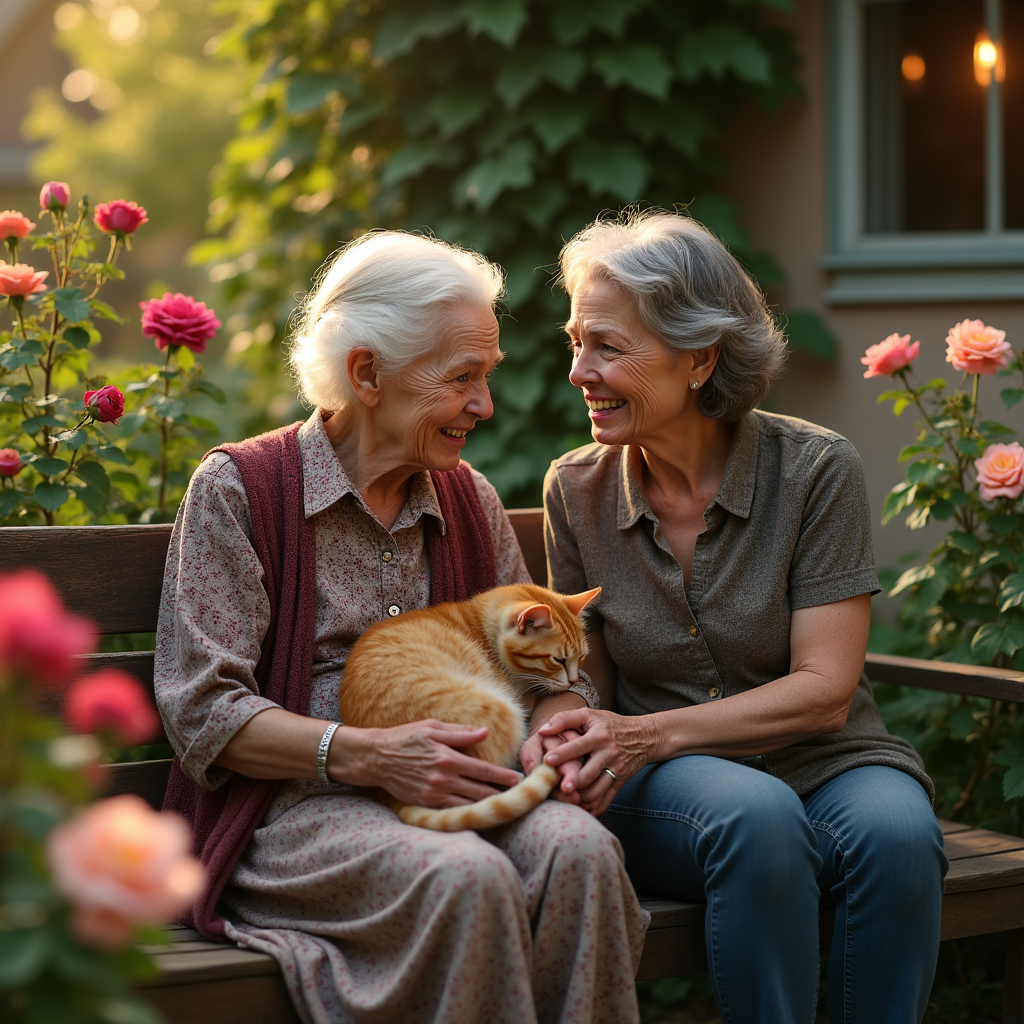
Well, isn’t that something? I read an article just the other day – one of those things that pop up in my email, a constant stream of them these days now that I’m not grading papers – and it seemed to explain a feeling I've carried for years. It had to do with cats, of course. My Phyllis, bless her heart, would have snorted with amusement. She always insisted cats were simply… *there*. Occupying space. Demanding food. Occasionally deigning to allow a brief head scratch.
But I’ve always known better, haven’t I? Maybe I'm sentimental, perhaps a little prone to seeing connections where others don’t, but I've always felt a kinship with my feline companions. Not a possessive sort of feeling, mind you. More like an understanding. A quiet sort of resonance.
This study, apparently, put a name to some of that. It suggested, rather scientifically, that there’s a detectable chemical link between humans and their cats. Not a mystical sort of thing – no, this was measured in hormones and something about neural activity. Something about mirroring, they said. That our moods, our anxieties, even our baseline levels of contentment, seemed to subtly influence our cats, and vice versa.
Phyllis would have called that ridiculous, of course. “Cats do what they want, Martha,” she’d say, her voice dry as autumn leaves. “Don’t go assigning them human emotions.” And she’d be right, in a way. Cats are cats. They have their own agendas, their own priorities, which frequently involve napping in sunbeams or dismantling rolls of toilet paper.
But I remember Mittens, my ginger tabby, who came to me after Bernard's mother passed. He just… *knew*, somehow. He’d sit on my lap, heavier than usual, and just purr. Not the happy, playful purr he usually had, but a deeper, more comforting rumble. And I felt it, you see. A quiet settling within me. A little bit of the sadness lifting. I didn’t analyze it then, didn’t have the language for it. I just knew he was being helpful.
It reminds me a little of the autumn equinox gathering, actually. Just Phyllis and I, surrounded by the late-blooming roses I’d planted. The quiet between us wasn’t awkward, it was… supportive. We didn’t need words. There was a kind of shared stillness, a knowing. I thought about that article afterwards, about that connection, about how it might be the same sort of thing, just expressed through whiskers and purrs instead of shared silence and garden roses.
I wonder if that’s what people mean when they talk about interdependence. It’s not about dependency, certainly. It's not about one creature needing the other to *do* something. It’s about a quiet, ongoing exchange. A subtle mirroring of feelings. A simple comfort offered and accepted without fanfare.
Perhaps, then, Phyllis was wrong. Perhaps cats *do* understand more than we give them credit for. Or perhaps, and this is the thought that’s lingering now, it isn’t the cats who understand us, but that we, in our need for quiet companionship, have learned to perceive their quiet understanding.