The Quiet Resilience Within Us All
Sometimes it feels like resilience is a messy thing. Like you expect it to look heroic—a single parent working three jobs, someone facing down a terminal dia...

Sometimes it feels like resilience is a messy thing. Like you expect it to look heroic—a single parent working three jobs, someone facing down a terminal diagnosis with grace—and instead, it's this quiet hum beneath everything else, maybe a little unsettling. I read something recently that really underscored that feeling; a study looking at how people high in narcissistic and psychopathic traits react to stressful situations.
It’s easy to think of those personality traits – the ones lumped together as the "Dark Triad" – as purely negative. The arrogance, the manipulative tendencies, the lack of empathy…they all sound awful. And they *can* be. I've definitely seen them in action. My dad, for instance, has a way of brushing off other people’s feelings with this infuriating nonchalance that can shut down entire conversations. There’s an immediate shield up, and it feels incredibly isolating.
But the study suggested something different: these people often show *less* physiological reactivity to acute stress than others do. Their heart rates don't spike as much, their cortisol levels remain lower. They seem…calmer. Less rattled by things that would send most of us spiraling. It’s weirdly almost appealing.
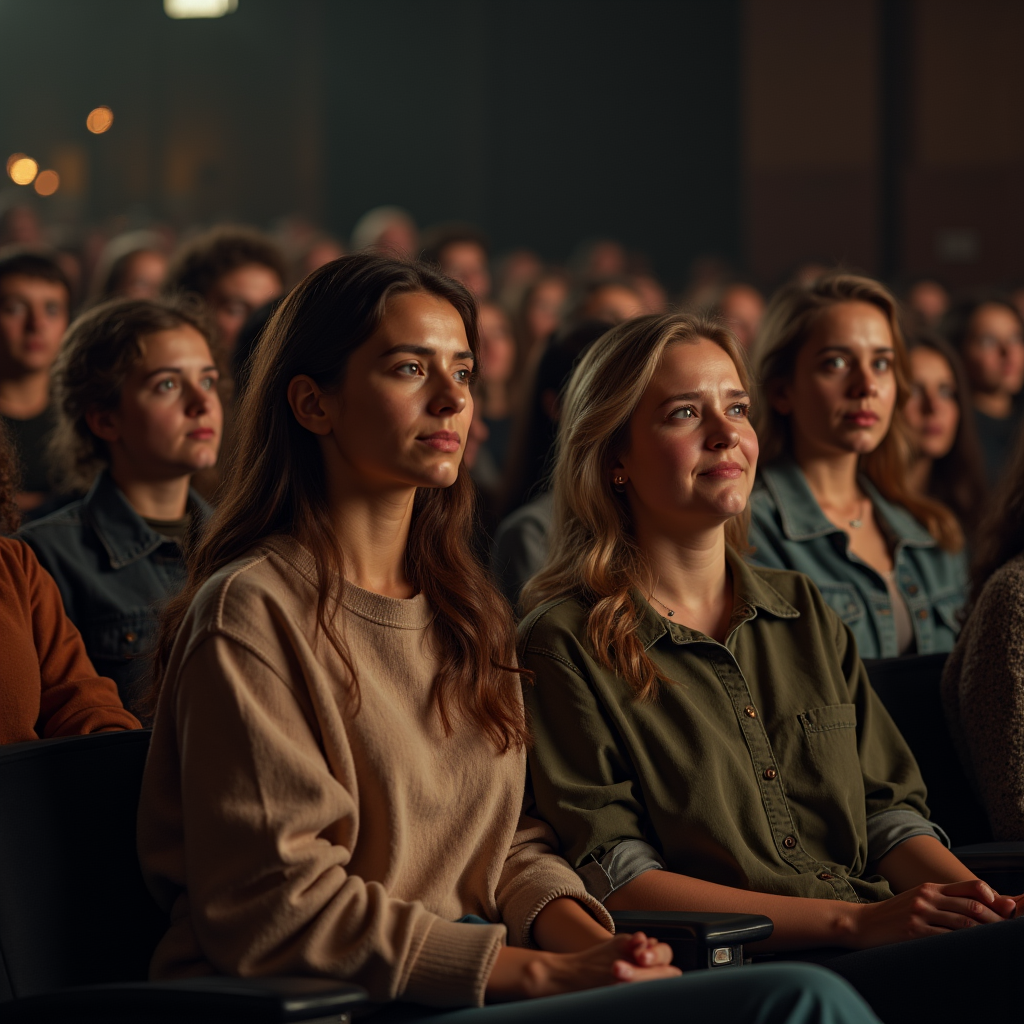
I think about Phoebe Bridgers shows now a lot. That first show I went to in April was so intense; the feeling of being swept up in something bigger than myself, connected to strangers through shared grief and catharsis…it was overwhelming. My hands were shaking for hours afterward. Watching her on stage, this person pouring out all that pain, felt somehow safer than facing my own.
There's a part of me that wonders if some of these traits – the lack of deep emotional engagement, maybe – aren’t just flaws but adaptations. Maybe they allowed people in harsh environments to survive situations where showing fear or vulnerability would have been a liability. Think about it: during the Depression, you couldn't afford to fall apart. You had to keep pushing, even when everything felt hopeless.
It makes you question what we define as ‘healthy’ and what we consider 'strength.' My mom is one of those people who carries everyone else’s burdens on her shoulders. She worries constantly, frets over the smallest things, and genuinely feels other people's pain *as if it were her own*. It's admirable, sure, but I also worry about her. Does all that carrying take a toll?
Of course, there are serious ethical considerations here too. Celebrating 'resilience' as a biological advantage in people who exhibit these tendencies is tricky territory. You don’t want to accidentally normalize—or worse—*encourage* behaviors that can be harmful to others. That line between adapting and exploiting gets really blurry, especially when you start talking about stress responses.
I remember sitting at the National concert last summer with my mom; she was practically vibrating from anxiety before they even came on stage. I always feel guilty for enjoying myself so much while she’s bracing for some kind of disaster. Maybe it’s not about wanting to be less reactive, but finding a balance. A way to acknowledge the pressure without letting it crush you. And maybe, sometimes, that looks a little like keeping a quiet center, even when everything else is falling apart.