The Rhythm of Chord Progression
It’s gotta be the flow, you feel me? Like, this whole music thing, it ain’t about just hitting notes. It’s about *how* you hit ‘em. I been spendin’ some time...

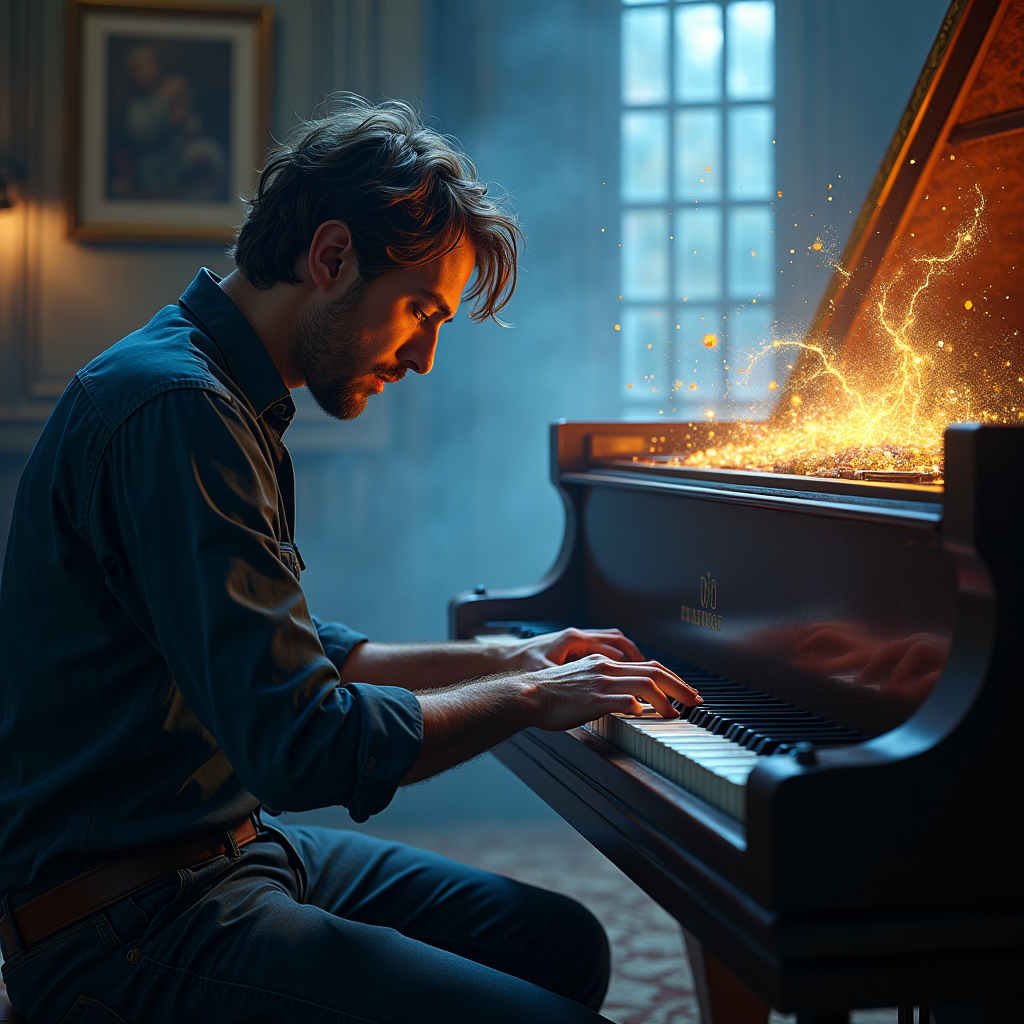
It’s gotta be the flow, you feel me? Like, this whole music thing, it ain’t about just hitting notes. It’s about *how* you hit ‘em. I been spendin’ some time diggin’ into this whole concept of chord progressions, and it’s wild. Seriously wild. It's like, the backbone of everything. People talk about scales and intervals, but that's just the *ingredients*. The progression is the damn recipe.
And the crazy part is, some progressions are just… ingrained. Like, these scientists, these dudes, they were lookin’ at a *ton* of music, like, *everything* from classical to blues to pop, and they found that certain patterns just keep popping up. It's almost like a universal language, a vibration that resonates with the human soul. It’s a weird kinda comfort, know what I'm sayin'?
It’s not just about what sounds good, though. It’s about *why* it sounds good. They were breakin’ down these progressions, analyzing the tension and release, the way they build and resolve. It’s like a constant push and pull, a dance between stability and chaos. And when you understand that dance, you start to *feel* it.
I’m talkin’ about these common progressions—I-V-vi-IV, for instance. It's the kind of thing you hear in almost every hit song, but you never really *notice* it. You just hear the melody and the beat and you move. But when you strip it all away, when you really listen to *how* those chords are moving, you realize it’s a powerhouse. It's the same logic that makes a good story. You start with the basic conflict, then you build the tension, then you let it resolve.
It's about creating a sense of inevitability, like the universe is just *moving* through these chords. It's a feeling that's both familiar and new. Like revisiting an old friend. This isn't some abstract theory, though. This is *feeling*. It's about understanding the architecture of emotion in music.
And it's not just about big, dramatic shifts. It's the subtle movements, the little tweaks, that can really change everything. A single chord change, a shift in rhythm, can completely transform a song’s mood. It’s like adding a single spice to a dish—it can elevate the whole experience.
Think about it: you hear a song, and you immediately know if it's gonna make you wanna dance or make you wanna cry. It’s almost always because of the chords. They’re setting the stage, building the expectation. It’s a masterclass in manipulation, but in the *best* way.
This isn’t about getting bogged down in the details. It's about recognizing the patterns, understanding the principles, and then letting your own intuition guide you. Because at the end of the day, music is about expression. It’s about connecting with others on a visceral level. And these progressions? They’re just a tool to help you do that, effectively. Keep pushin', keep listenin', and keep feelin' the rhythm.