The Science of Cat Comfort and Connection
Sometimes, you read something and it just… resonates. I’ve been following a bit of research lately concerning cats and their people, and a recent study reall...

Sometimes, you read something and it just… resonates. I’ve been following a bit of research lately concerning cats and their people, and a recent study really struck a chord, as they say. It’s not that I’m surprised, not really, but it does offer a gentle validation of something I’ve always felt intuitively. We tend to talk about the *idea* of pet ownership bringing benefits, a sort of automatic uplift. But it’s clearly not that simple. It’s not enough to just *have* a cat. It’s about *how* you relate to that cat.
I’ve always had cats, of course. Through the years, various feline companions have filled my home and, more importantly, my life. There was Marmalade, a ginger tom who thought he was a dog. And Penelope, a calico who would drape herself across my keyboard when I was grading papers, a subtle but firm reminder that some things are more important than deadlines. Now, there’s Clementine, a sleek black cat with surprisingly large, green eyes. She’s content to sit near me, sometimes on the arm of the chair, sometimes nestled at my feet while I tend to the garden.
The study, you see, suggests that the amount of physical closeness – the petting, the snuggling, the simply being near – has a far more significant impact on a person’s mood than just owning a cat. It’s about that physical connection, that quiet reassurance of presence. Think about it – have you ever noticed how a cat will press close when you’re feeling a little down? It's not just instinct, I suspect, it's something more.
It seems there’s a biological explanation, too, something to do with hormones. There’s a hormone, oxytocin, often called the "bonding hormone," that’s released when we interact positively with others – whether it's another human or, apparently, a cat. It has a calming effect, can lower cortisol, that pesky stress hormone that seems to be the default setting for so many of us these days. When you stroke a cat, when you simply sit quietly in its presence, both of you release oxytocin. It’s a silent exchange, a mutual comfort.
I’ve been spending quite a bit of time lately thinking about these things. This past summer, after so many years of the daily school routine, I found myself with a lot of quiet hours. Bernard, my husband, was still working, you see, and I had the house to myself. I planted more roses than I ever had before, filling the backyard with color and fragrance. And I started looking at astrology, not just reading the charts, but really *feeling* them. It’s surprising what you notice when you have time to simply be.
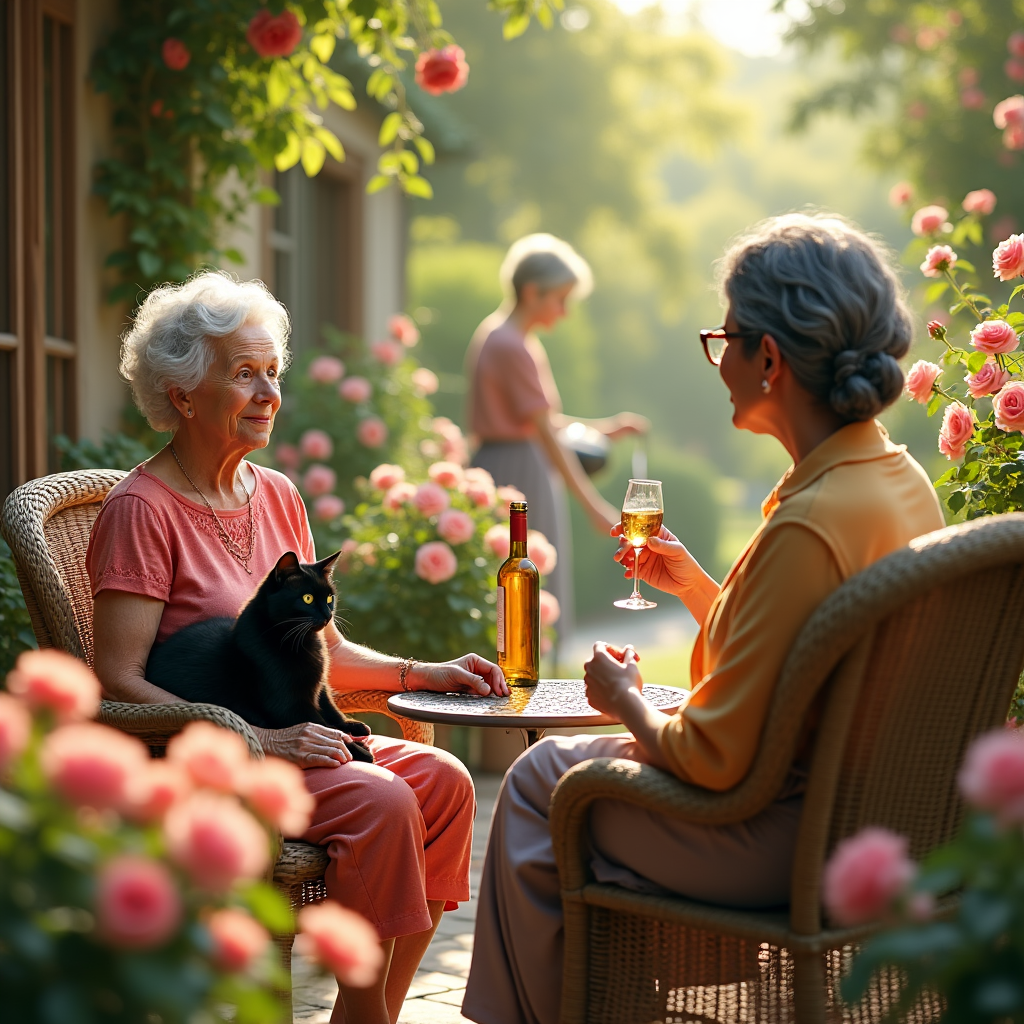
It reminds me a bit of Phyllis, my dear friend. We had a small gathering just after the autumn equinox – just the two of us, sitting in the garden, sharing a bottle of wine. She's always been a very pragmatic woman, always in control. But even she confessed to feeling a little lost after her dog, Buster, passed. It wasn't just the loss of a pet; it was the loss of a constant, comforting presence. It made me think about the vulnerability that comes with relying on another living being for emotional support, and the beauty of that connection.
There’s a temptation to think that science has to dissect everything, has to explain every feeling with a chemical reaction. But sometimes, the explanation isn’t the point. Sometimes, it's enough to simply appreciate the quiet comfort of a cat curled up on your lap. We put these little devices in collars these days, you know – small trackers so you can know exactly where your cat is at all times. As if that's truly important. It’s the *presence*, not the location, that matters.
Perhaps, going forward, we should be thinking less about simply *owning* pets and more about fostering genuine relationships. About understanding the subtle language of purrs and head-bumps. Because sometimes, the most profound comfort comes in the form of a furry friend quietly sharing your space. And sometimes, that's all the therapy we really need.