The Slow Fade of Childhood Reading
It’s a slow thing, this fading. Not like a lightbulb burning out with a pop and a fizzle, but more like watching grass turn brown in late summer—a gradual sh...

It’s a slow thing, this fading. Not like a lightbulb burning out with a pop and a fizzle, but more like watching grass turn brown in late summer—a gradual shift you hardly notice day to day, but look back on and realize, *wow, it was so much greener before.* I've been thinking about reading, specifically kids reading for the sheer joy of it, and it feels like something’s slipping away.
I saw it a little bit last year in room 214. Not that they weren’t reading, mind you—they were. Assigned reading, lots of it. But I rarely saw them curled up with a book on their own time. I remember one kid, quiet boy, never really said much until you got him talking about trains. He was building a whole world in his head out of model train parts and the diagrams he’d pore over – and then suddenly, *viaduct*. He wasn't just understanding what the word meant; he was fascinated by it, by its shape and purpose and place within this tiny, intricate universe he’d created. That kind of spark...that’s what I worry about losing.
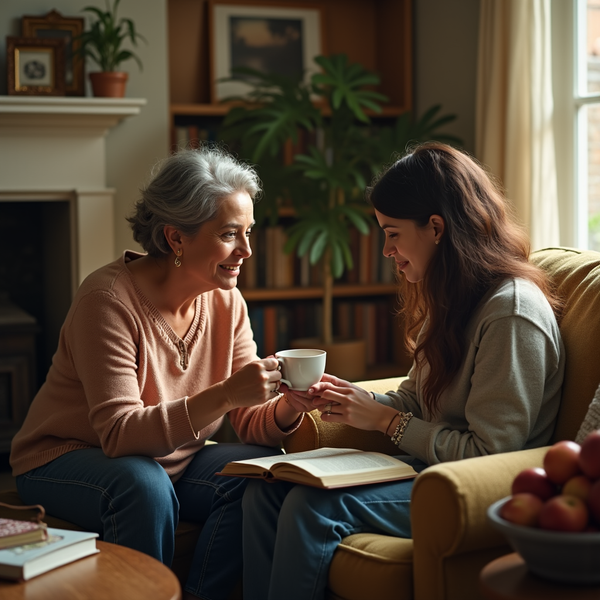
My grandmother started me on Sunday gravy when I was eight. It's a whole process – hours simmering tomatoes, meat, garlic, herbs… each batch different depending on what she had available and how the weather felt that week. She always said it wasn't just food; it was history, tradition, a connection to something bigger than herself. Reading can be like that too, I think. A slow simmer of ideas, a way to connect with people and places far beyond your own experience. It builds things up inside you – vocabulary, understanding, empathy.
It’s not just about knowing words, although that's important. It's about the space they create in your mind. When my cousin’s daughter was obsessed with those dragon rider books—the ones with the strong female protagonist and all those complicated relationships—she’d come up to me babbling about the plots, arguing over which character made the best choice. She wasn’t just reading; she was *thinking*. She was wrestling with morality, considering different perspectives.
There's a pressure on kids now, isn’t there? So many screens, so much scheduled activity. After-school programs, sports leagues, music lessons—all good things, in their way, but they leave less room for just…being. For letting your mind wander and finding something that sparks your interest purely because *it* interests you. It's funny, I sometimes think adults forget what it’s like to be a kid and have the hours stretching out before you, full of possibility.
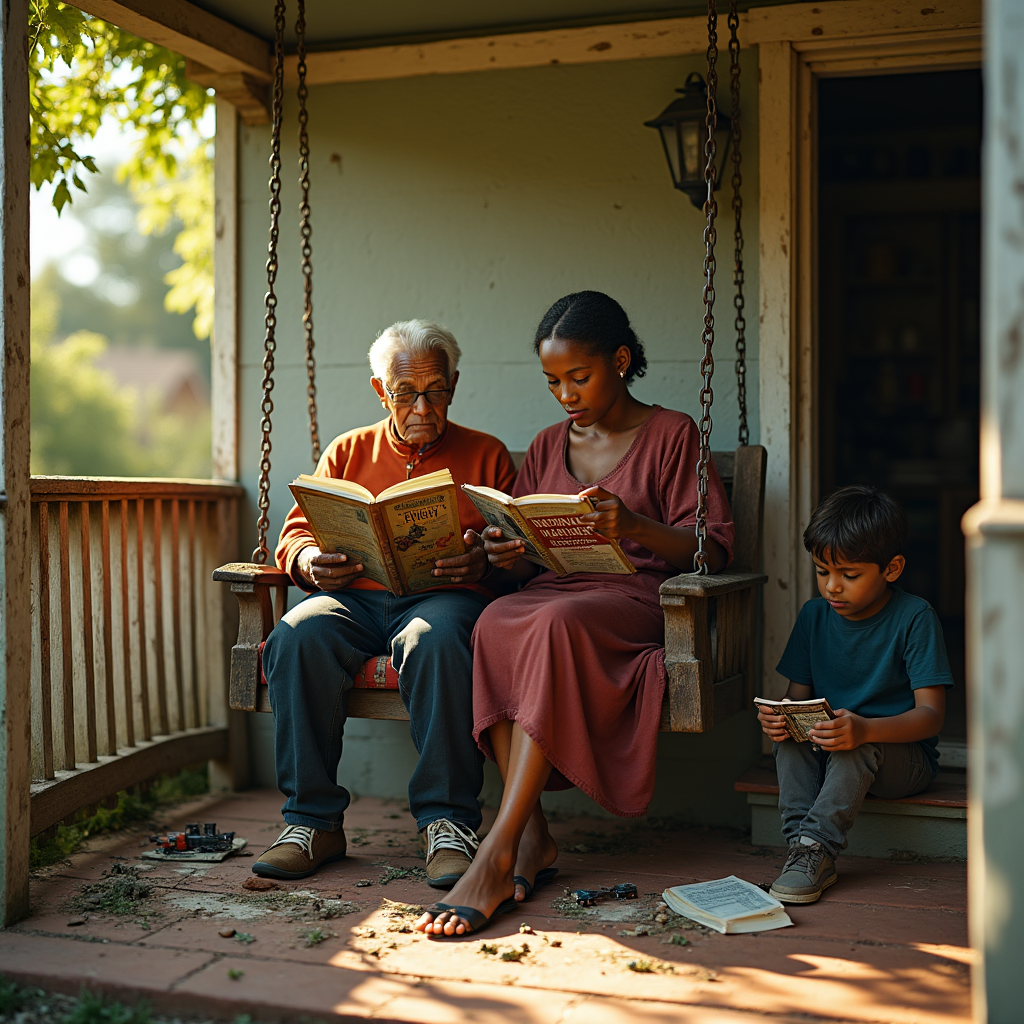
My summers as a kid weren't always filled with grand adventures. Sometimes they were just long afternoons spent sprawled on my grandmother's porch swing, reading whatever happened to be lying around—old National Geographic magazines, discarded paperbacks from library sales. It wasn’t “enriching” in the way we talk about enrichment now; it was just… pleasant. A quiet joy. Something simple and essential that I worry is becoming a luxury.
I wish I knew how to fix it. Maybe it starts with less pressure, fewer expectations. Letting kids be bored sometimes—because boredom often leads to creativity, to exploration, to the discovery of a good book. Encouraging them to read what *they* want to read, even if it's not considered "high literature." My own reading habits aren’t always “proper,” but I learn just as much from those comic books and old detective novels as I do from anything else.
It feels like we owe it to them, though. To give them that space—that chance—to lose themselves in a story. Not because it's good for their grades or their college applications, but simply because it’s fun. Because those moments of quiet connection with a book, the way you can disappear into another world and come back changed—that’s something worth fighting for. That’s something that makes us human.