The Slow Sprout of a Writer's Mind
Sometimes, it feels like watching a seed sprout. Not the frantic, eager kind you see in a time-lapse video, but the slow, quiet push of something small and d...

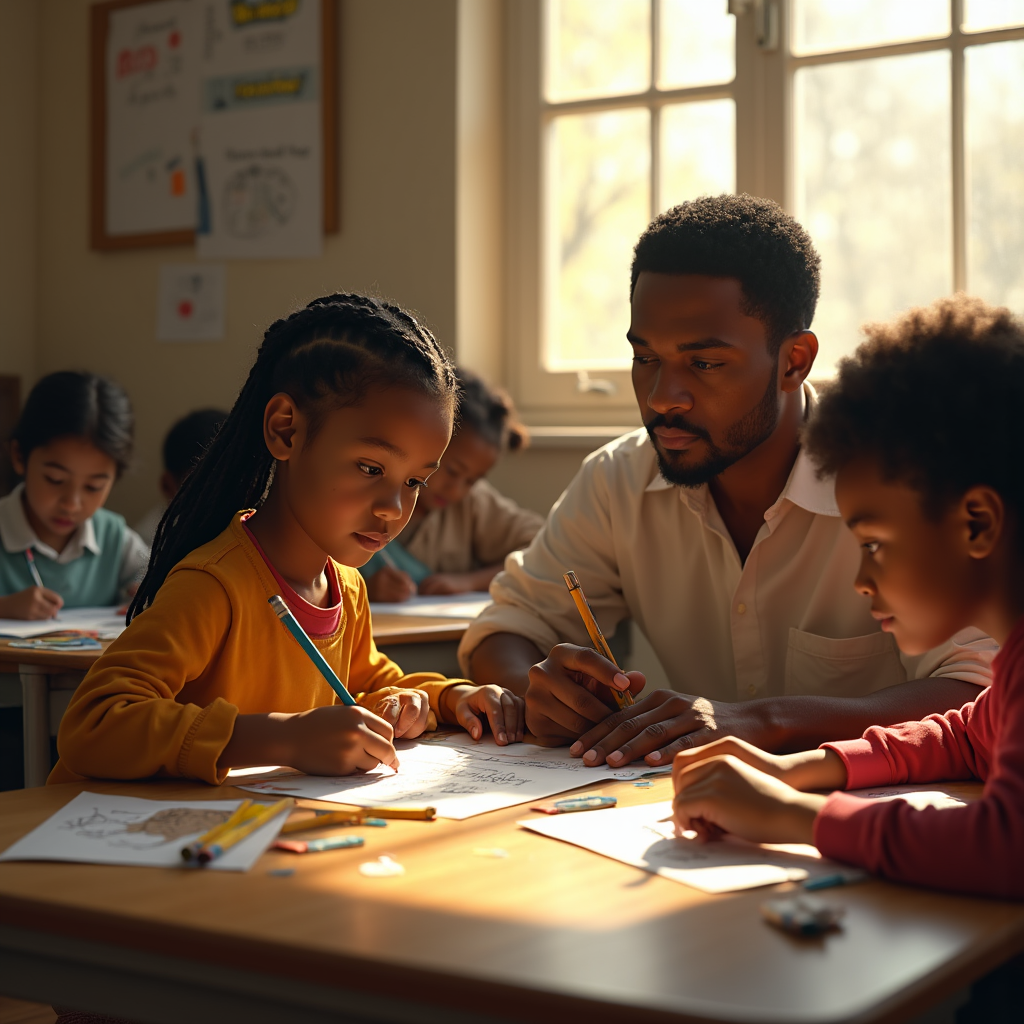
Sometimes, it feels like watching a seed sprout. Not the frantic, eager kind you see in a time-lapse video, but the slow, quiet push of something small and determined against the weight of the soil. That’s what it's like to witness a kid start to figure out writing. It's less about neat letters and perfectly formed sentences—though those things come—and more about this incredible inner shift, this moment where they realize they can *make* something with those marks on the page.
I've been thinking about it a lot, this summer. I’ve been doing a lot of slow, patient work, myself. My grandmother started me on her Sunday gravy years ago, a recipe she’d been tweaking for decades. It’s a process – layers of flavor built over hours, simmering low and slow. It seemed impossible at first, too complicated to ever get right. But each time, it gets a little better. Writing for kids is like that.
It's not about immediately producing something beautiful. It's about the grit of trying, the willingness to smudge ink and cross out words. There was a little boy in room 214 last year who would crumple up more papers than he filled. He wasn’t frustrated, not really. It was more like he was experimenting, exploring the possibilities of the page. And he kept at it.
I remember my own early attempts. My cousins and I would spend afternoons drawing and scribbling on whatever we could find – the backs of cereal boxes, napkins, old envelopes. They weren’t stories, not really. Just a jumble of shapes and lines, but they were *ours*. They were ways of telling the world something we couldn't quite say yet.
The science of it, I read about it once, isn’t flashy. It’s not some sudden burst of brilliance. It's a gradual strengthening of pathways, a network of connections forming as they repeat the motions, as they experiment with sounds and letters. You see them stumble, you see them get discouraged, but you also see them keep going.
My job, I think, isn’t to teach them *how* to write, exactly. It’s to create a space where that sprouting can happen. A place where crumpled papers aren't failures but evidence of effort, where a misspelled word isn't a mark against them but an opportunity to learn. Where the process – the messy, imperfect, sometimes frustrating process – is valued above all else.
I spent a weekend with my family in Delaware County recently. It's always a complicated thing, seeing them. It’s a reminder of where I came from, of the things I’ve left behind. And I saw my niece, barely five, proudly displaying a drawing of her dog. It wasn’t perfect, but she’d poured her whole heart into it. That simple act, that quiet confidence, felt bigger than anything I could ever teach her.
It's that quiet confidence, that sense of possibility, that I want to nurture in my classroom. Like the Sunday gravy, it takes time and patience, a willingness to let things simmer. But when it finally comes together, it's something you can savor, something that nourishes you for a long time.