The Softening: Rebuilding After Summer
The bell rings, and it’s back to the slow creep of summer settling into our routines. It's not a bad thing, really. Just… noticeable. Like the way the light ...

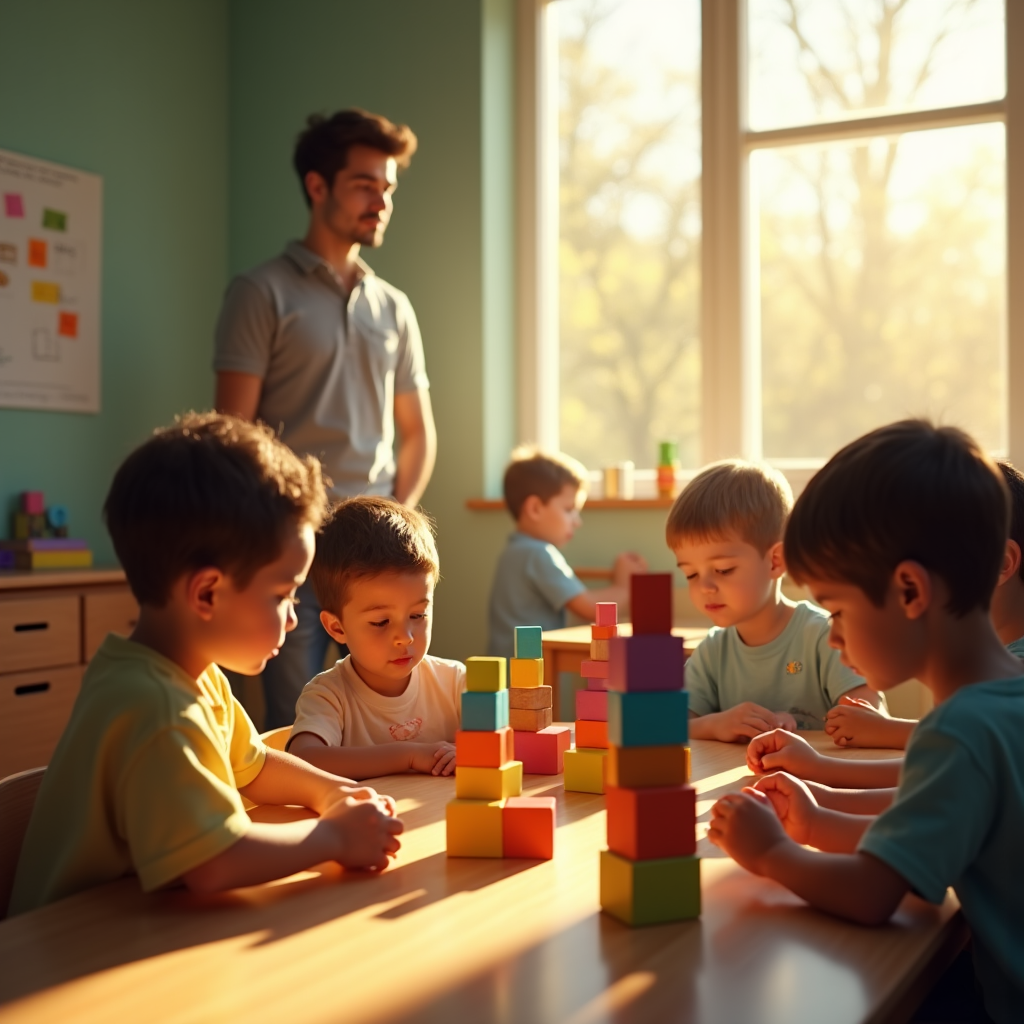
The bell rings, and it’s back to the slow creep of summer settling into our routines. It's not a bad thing, really. Just… noticeable. Like the way the light changes in Room 214 once those August days roll around; everything feels just a little bit softer, slower. You see it in how kids walk in, some bouncing with that leftover energy from picnics and bike rides, others… well, others seem to be re-learning how to *walk* into a room.
It’s the summer slide, they call it. The gradual erosion of skills over those long months away from school. We all know it's coming, right? Like the humidity that clings to you in Fishtown in July— inescapable and just kind of… there. It used to feel like this big dramatic thing – a catastrophe needing a full-blown intervention. Now I see it less as a slide and more as...a softening. A shifting of gears.
I was thinking about Mateo, actually. Remember Mateo? The kid who built that entire city out of blocks last spring? It took him three weeks to finish, meticulously placing each building and figuring out where the tiny plastic people lived. He didn’t rush it. Didn't get frustrated when things fell down. Just… built. And learned. A lot about physics, a lot about community, a lot about stubbornness and persistence, all in miniature form.
You can’t cram that kind of learning into worksheets or even the fanciest educational games. It’s that messy, unstructured play—that deep engagement with *something* – that sticks. That builds something real. And when kids come back from summer break a little bit… quieter? A little less sharp? Maybe it's just them needing to rebuild.
We spend so much time focused on maintaining and measuring. Testing and re-testing, checking boxes on the standardized landscape. But maybe what these kids need is not more of that. Maybe they need space. Space to let those blocks settle. To remember how to build again. It's like letting a muscle rest after pushing it hard. You don’t want it to atrophy, but you also can’t expect it to keep lifting without some downtime.
My grandmother always made Sunday gravy – this rich, slow-cooked tomato sauce that would simmer for hours. She never rushed the process. "You gotta let it be," she'd say, stirring occasionally, watching patiently. You could practically taste the history in every spoonful. It wasn’t about speed; it was about time and patience and a whole lot of love. That’s what these kids need, too. A little Sunday gravy for their brains.
There's this pressure, especially now, to keep up, to be ahead. It's in the air we breathe - news cycles demanding constant improvement and innovation. But kids aren’t machines. They don't operate on a relentless churn of productivity. They need quiet moments. They need space for their minds to wander—to rediscover the joy of building something, anything, from scratch.
So, what does that look like in Room 214 this fall? It looks like letting things be a little bit… unstructured. Letting them build those cities again, even if it takes three weeks and involves a lot of collapsing towers. It means allowing space for quiet observation – the kind Mateo had with his blocks. It’s about remembering that learning isn't just about filling empty containers; it’s about tending to something already growing inside. And sometimes, all that growth needs is a little bit of sunlight and time.