The Unease Within: Gardens, Climate, and Us
It seems a rather obvious thing to state, doesn’t it? That feeling unsettled makes us uncomfortable. We build our lives on certainties – a regular cup of tea...

It seems a rather obvious thing to state, doesn’t it? That feeling unsettled makes us uncomfortable. We build our lives on certainties – a regular cup of tea in the morning, the predictability of seasons, knowing what to expect from the day ahead. And when those things shift, even subtly, we feel it. What I'm talking about now is more than that small inconvenience of missing your bus stop; this is a slow, pervasive unease settling over us all, and its roots run deep in the earth itself – in rising temperatures and changing weather patterns.
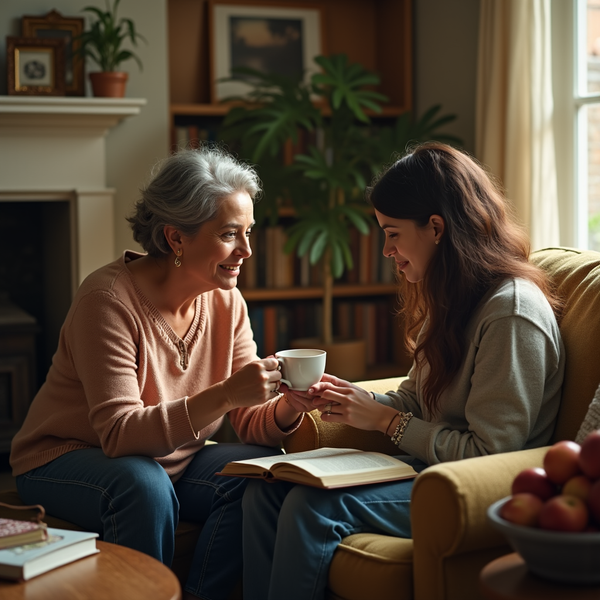
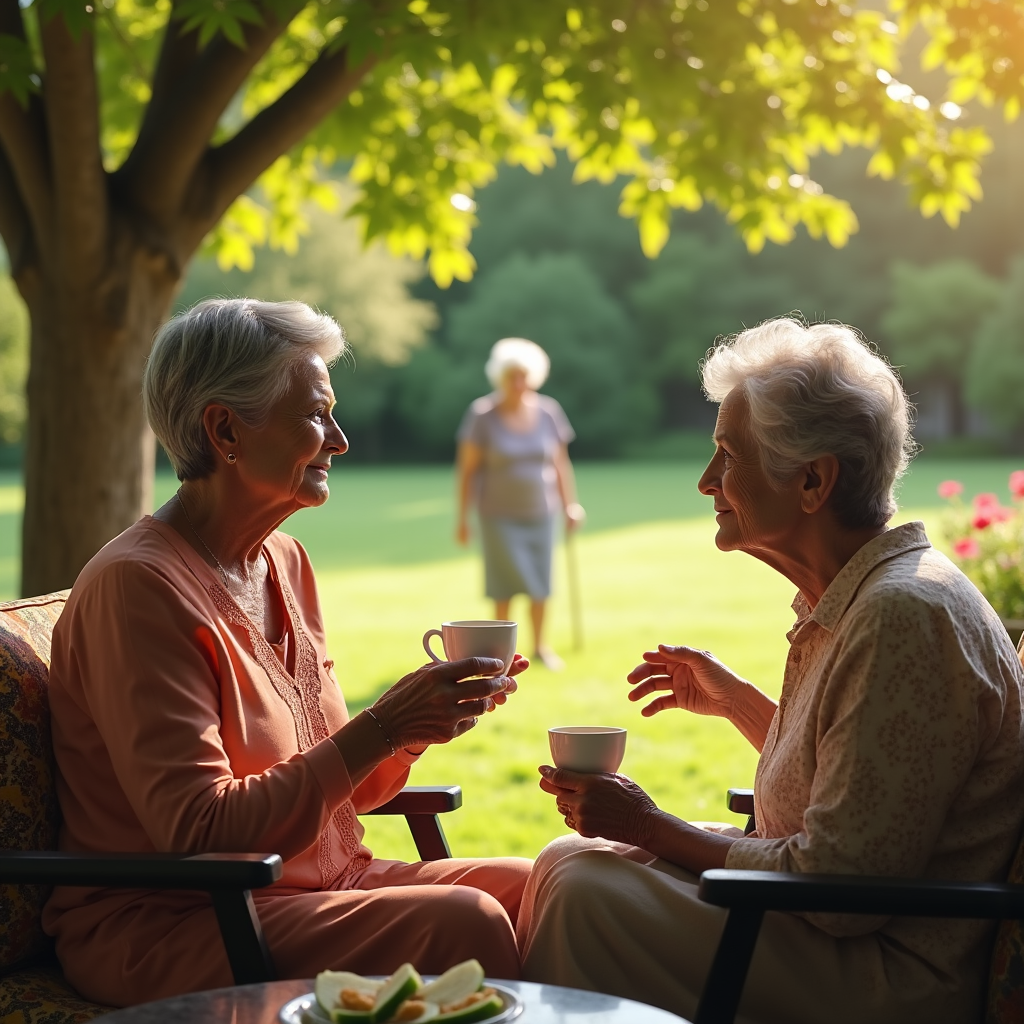
I’ve always found solace in tending my garden. There's something fundamentally reassuring about watching things grow, about nurturing life from seed to bloom. But even there, this year, I noticed a difference. The tomatoes ripened too quickly, losing their sweetness. The squash plants struggled, their leaves drooping despite diligent watering. It wasn’t just *my* garden; Phyllis, who lives down the street, had similar experiences. We lamented it together over chamomile tea on her porch, each of us sensing something larger than our individual plots was amiss.
It's not simply about the loss of familiar rhythms and patterns in our gardens or seeing wilted flowers where there used to be abundance. The psychological effects are more complex—and often less visible than the wilting leaves themselves. I’ve taught for a long time, you see. You learn to read faces, to understand when children (or adults!) are struggling not just with equations or historical dates, but with something deeper – a quiet worry they can't articulate. And increasingly, I sense that in people of all ages now. A certain flatness, an inability to feel joy as readily as we used to.
There’s a physiological reason for this, too, and it’s not just about feeling sweaty on a hot day. When our bodies are working overtime to regulate temperature – diverting resources away from other functions – that affects cognitive function. It dulls the edges of emotional responsiveness. Think of those long afternoons in July when the air hangs still and heavy, and everything feels… sluggish. That’s more than just lethargy; it's a physiological state impacting our ability to process emotions, to connect with others, to simply *think* clearly.
The discomfort isn't shared equally, naturally. The people who are already vulnerable – those struggling with pre-existing conditions, those living in poorly insulated housing, those facing economic hardship - they bear the brunt of it. I remember Mrs. Rodriguez, across the street, last summer. Her husband has a heart condition, and she was beside herself worrying about him during that awful heat wave. She couldn't afford to run the air conditioner constantly, and the fear in her eyes… well, it wasn’t something you could easily forget. It highlighted a profound injustice - climate change doesn’t affect us all equally; it exacerbates existing inequalities.
And it can bring out the worst in people too. I recall reading about an incident down south last year – a dispute over water usage escalating into shouting and outright anger, born of desperation and fear. The human capacity for resilience is remarkable, but stress—and particularly *environmental* stress—can erode even the strongest foundations of community. It’s heartbreaking to witness that unraveling.
What then can we do? I'm not one for grand pronouncements or sweeping solutions, you understand. But small things, consistently applied, *do* make a difference. Shade – planting trees, creating cool spaces in urban areas – is vital. Simple acts of kindness, reaching out to neighbors who might be struggling—those matter enormously too. I made extra cucumber sandwiches for Mrs. Rodriguez last summer and just sat with her on the porch while she talked. Sometimes, that's all someone needs: a moment of human connection in the face of overwhelming circumstances.
I find myself turning to astrology more these days, not as a means of prediction but as a framework for understanding cycles—the ebb and flow of natural forces. Even those ancient systems acknowledge that periods of intense heat are followed by cooler times. Perhaps it’s naive, this cautious optimism I hold onto. But the possibility remains – the chance to mitigate the damage, to rebuild resilience, to create a more equitable future where everyone has access to both physical comfort and emotional well-being. It requires acknowledging the problem—and acting with deliberate kindness and purpose, one small step at a time.