The Unspoken Rules of Being Seen
It’s weird how much things shift sometimes, isn't it? Like Jacobs Pavilion last week – one minute I was just… there, a face in the crowd at this national sho...

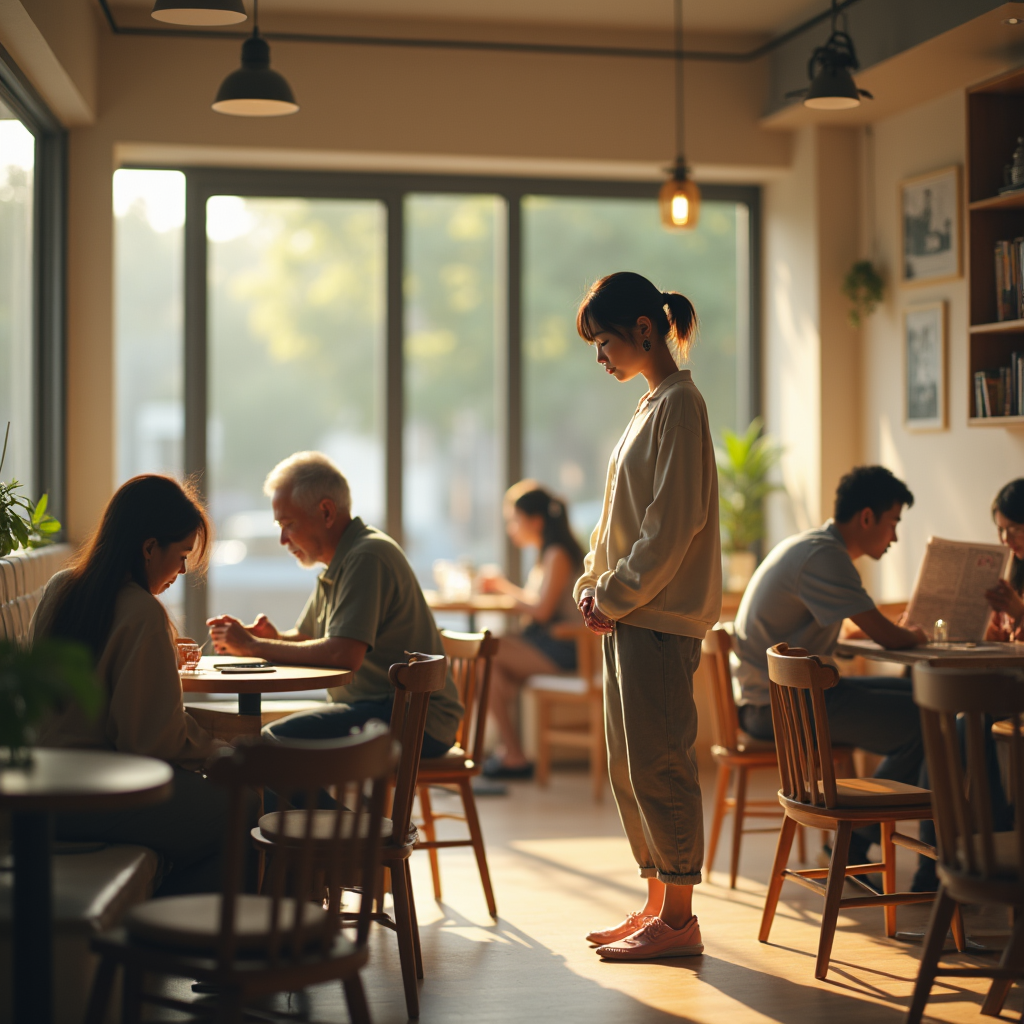
It’s weird how much things shift sometimes, isn't it? Like Jacobs Pavilion last week – one minute I was just… there, a face in the crowd at this national show, and the next everything felt tilted on its axis. Not dramatically, not like some life-altering movie moment. More of an internal rearrangement. For years, I’ve been trying to articulate something about how people behave when they want to be seen, noticed – that almost inherent human drive for admiration. It feels silly to admit, even just typing it out, but it's a current running through everything.
I used to think everyone understood this dance. The subtle angling for compliments, the carefully curated social media presence (mine was pretty minimal, thankfully), the unspoken competition for attention in group settings. Now I realize that what feels universal to *me* might be perceived completely differently somewhere else. What I consider a harmless little boost – highlighting an accomplishment or sharing something I’m proud of– could read as aggressively self-promoting in another context. The ratio of effort to validation always felt… unbalanced, honestly. A post would take me hours and maybe twenty-seven people would see it. It’s not about the numbers, really, but that consistent feeling of misalignment.
My parents always stressed harmony, a quiet confidence. Not bragging, certainly not drawing unnecessary attention to yourself. The message was clear: success should speak for itself. I often felt frustrated by this, wishing I could just… *say* how much effort I’d put into something, or how excited I was about an achievement. There's value in acknowledging those things, right? Not as a demand for praise, but simply to share the experience with others. But I also noticed that expressing enthusiasm, even genuine joy, could sometimes create discomfort, like I was stepping outside of some unspoken rule.
There’s this idea that wanting admiration is inherently bad, a symptom of something deeper – narcissism. And yeah, there’s definitely a spectrum. There’s the person who thrives on tearing others down to elevate themselves, someone who actively seeks conflict and validation through dominance. That's… not good. But what about the people who simply want to be *seen*? The ones who genuinely appreciate recognition for their efforts? It feels like we’ve conflated those two very different things. Maybe wanting to be recognized isn’t the problem; maybe it’s *how* that desire is expressed, and how much consideration is given to the impact on others.
I was reading something recently about societies where boasting is actually encouraged – a public display of success meant benefiting the entire community. Imagine! No quiet confidence, no downplaying accomplishments, but an open celebration of personal achievements. The concept felt alien at first, a stark contrast to my upbringing. But then I started thinking about how stifling it can be to constantly moderate yourself, to always hold back from expressing genuine enthusiasm for fear of being perceived as… something else. It’s exhausting.
It seems like there's an optimal point – that sweet spot where self-promotion is seen not as arrogant but as encouraging, where acknowledging personal effort strengthens rather than undermines the group dynamic. Finding that place isn't just about individual behavior; it's about understanding the cultural lens through which actions are interpreted. It’s like… imagine trying to wear shoes from a different country. They might *technically* fit your foot, but they won’t feel quite right until you adjust how you walk, how you carry yourself.
My blog – that thing I started in sophomore year and mostly ignored until last week– is an experiment in this idea. Not necessarily to “find my voice,” which feels terribly cliché, but to explore these nuances of social behavior. To write about the things that feel uncomfortable, the unspoken rules that shape our interactions. It’s a small audience – twenty-seven people, after all – but it's enough. Enough to create space for exploration, enough to practice articulating what I'm observing.
The shift at Jacobs Pavilion felt like a cue. A reminder that there’s more to understand, more to explore. It made me realize how much of our psychological well-being hinges on this delicate balance – between wanting to be seen and belonging, between self-expression and social harmony. Maybe, just maybe, if we were all a little more aware of the cultural context shaping those perceptions, we’d feel a lot less pressure to conform, and a lot more comfortable simply being ourselves.