The Weight of Sundays and Learning
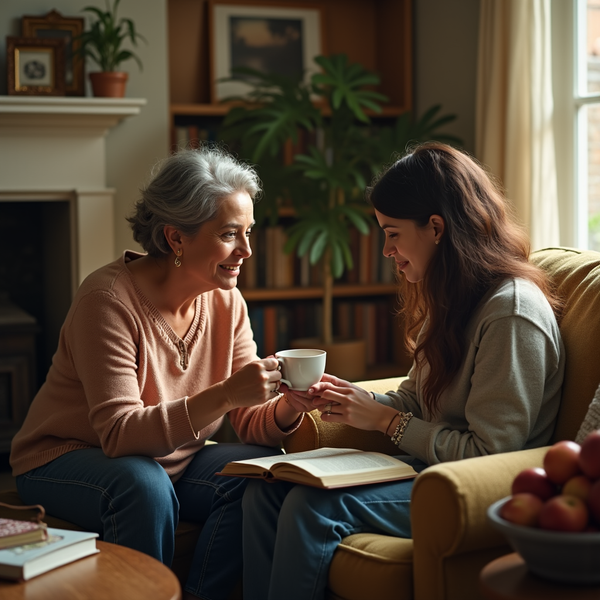
Sometimes, I think about what it means to learn a skill. Not just reading or math, but something… deeper. Like my Nonna’s Sunday gravy. She started teaching ...

Sometimes, I think about what it means to learn a skill. Not just reading or math, but something… deeper. Like my Nonna’s Sunday gravy. She started teaching me when I was little, back in Delaware County, and every year I'd try, and fail, to get it right. It wasn’t the recipe itself that was hard; it was patience. The simmering, the tasting, the tweaking. Years of remembering how she made it *feel*, not just the ingredients or instructions. Now, this summer, finally got close. Really close. And I realized, there's a kind of memory in cooking like that - a body knowing something before your head does.
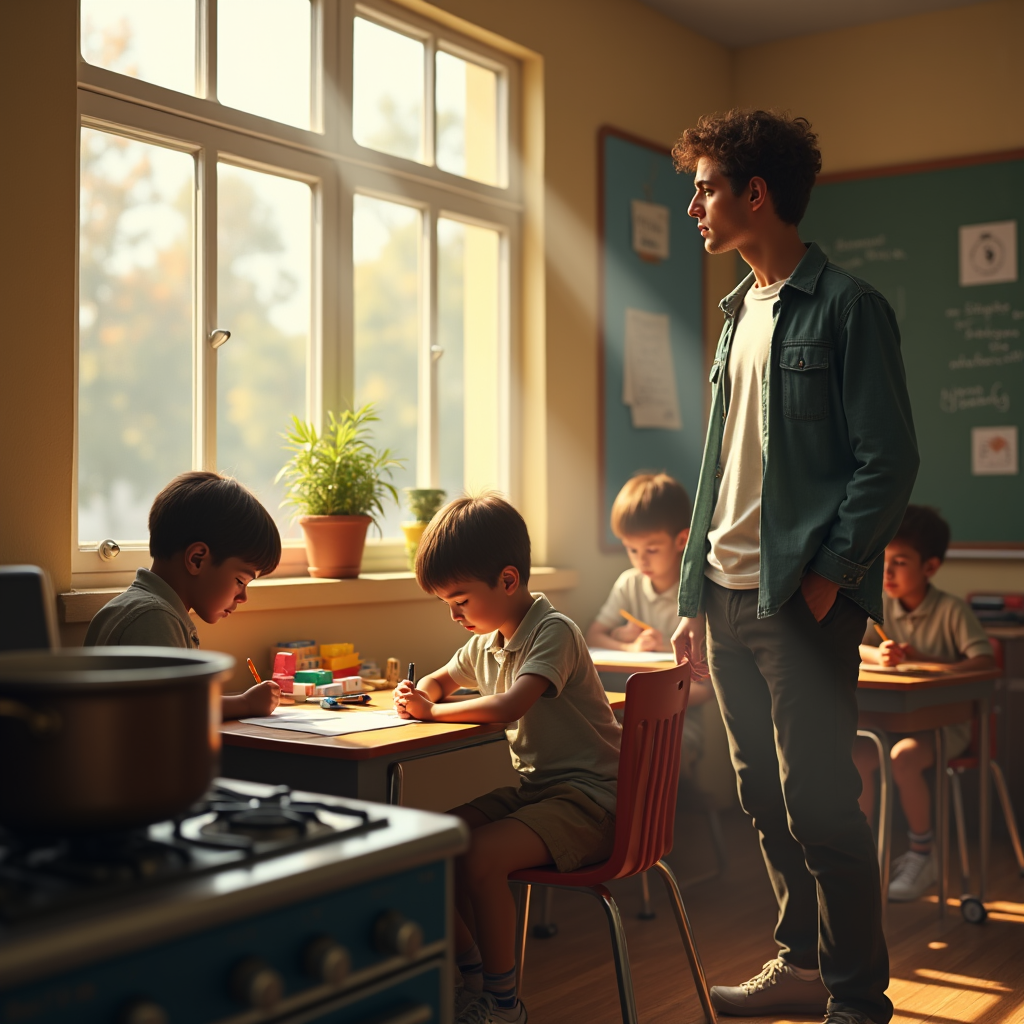
It reminds me of trying to teach fractions to fourth graders. Some kids just… get it immediately. They see the pie sliced into pieces and understand. Others stare blankly, even when you show them the same thing ten different ways. The ones who struggle hardest? Often, they've got something else going on. Something that makes focusing on fractions really, really difficult. A quiet kid who flinches at loud noises. A restless boy who can’t sit still for more than a few minutes. They’re resilient in their own way, navigating a world that isn't always easy to understand or be a part of, but the surface level learning is... harder.
I saw it again and again last year in Room 214. The kids who seemed perpetually on edge – quick to anger, slow to trust. You try your best to create a safe space, build routines, offer reassurance. But sometimes you wonder what stories they carry inside them. What unseen burdens shape their reactions. It’s not about blame; it's about acknowledging that some kids start the race already miles behind, carrying weights no child should have to bear.
You see, bodies remember things. Not just big things – a scraped knee or a favorite toy - but the little, constant shifts in environment. The feeling of unpredictability. Of not knowing what was coming next. Like those gravy Sundays: when I’d get impatient and rush it, it would never be right. Too acidic, too thin, too rushed. You can't force those memories to come forward; you just have to create a space for them, patiently.
I read something recently that made me think about all this. Scientists are learning that kids who’ve faced tough times – instability at home, fear of violence – often develop unusual ways of dealing with stress. Their bodies become… numb, almost. Not in a bad way, initially. It's like a survival mechanism. If you can't control what’s happening around you, sometimes the best thing to do is just... shut down.
The problem is that this "shutting down" can change how their hearts and blood vessels work. They might not react to stress in the way they should—the usual rise in heart rate and blood pressure gets blunted. It seems counterintuitive – like, shouldn't a normal response be *good*? But over time, that muted response can actually make them more vulnerable to heart problems later on. The body has adapted, but at a price.
My Nonna understood this intuitively. She never pushed me too hard with the gravy. She’d let it simmer, taste it, adjust it. Sometimes she'd just sit with me in silence while it bubbled away, letting time do its work. Maybe that's what kids need too – space to process, a quiet rhythm where they don’t have to be constantly on alert. I think about my students now, the ones who seem so brittle, and wonder if they could benefit from some simmering time.
It's not about fixing anyone, of course. It’s about understanding that people are complex—that the past leaves its mark in ways we’re only beginning to understand. Just like Sunday gravy requires patience and an appreciation for slow transformation, so too does helping a child heal. Maybe it means just showing up, being predictable, offering a safe corner of Room 214 where they can simply… be. And maybe, one day, their bodies will remember how to respond properly, without the need to shut down.