
The Weight We Carry Finding Quiet Within
Sometimes, I think about how much we expect people to simply *carry* things – burdens, disappointments, pain. And then I remember my mother, who carried so m...

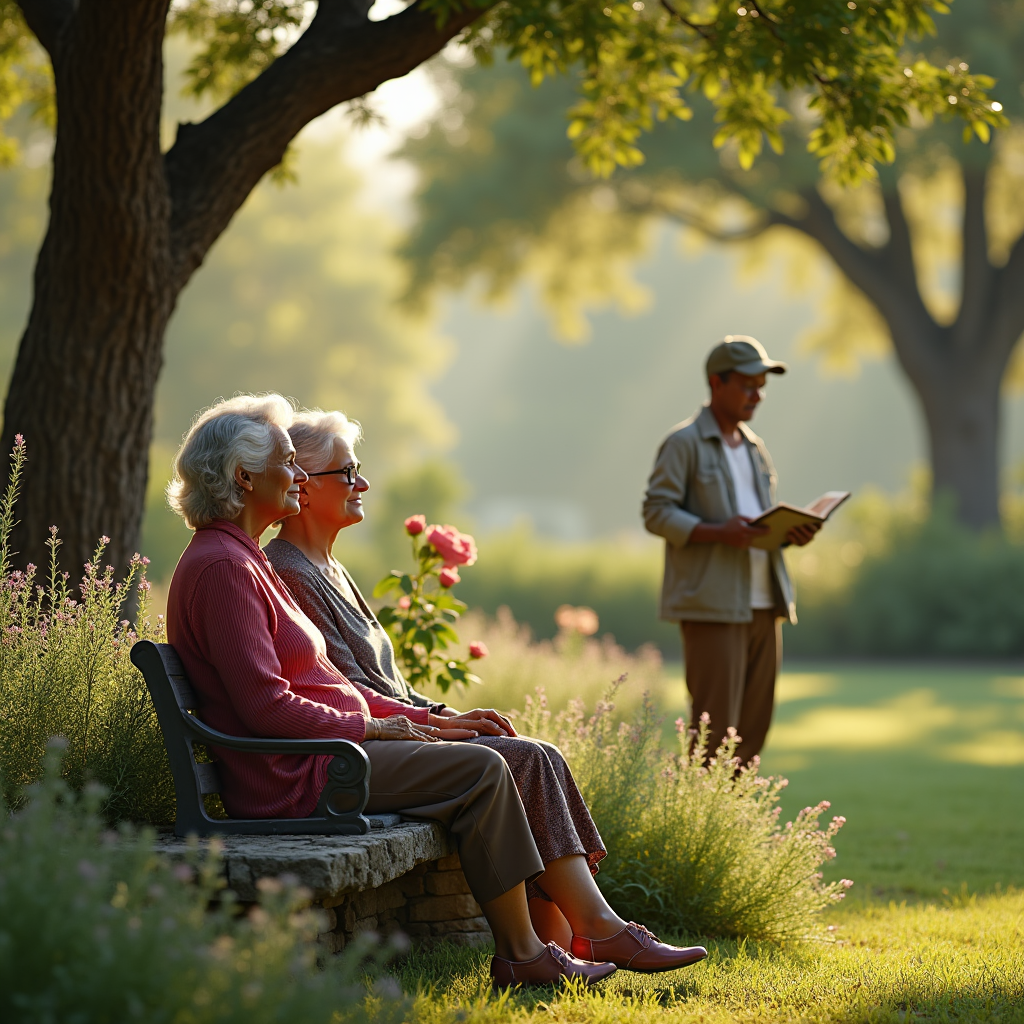
Sometimes, I think about how much we expect people to simply *carry* things – burdens, disappointments, pain. And then I remember my mother, who carried so many unspoken sorrows throughout her life, and I feel a deep sort of sadness for all that unreleased tension. It’s like a knot in your shoulders you can’t quite unravel; it just sits there, a constant reminder.
We've learned more about the body’s response to trauma these last few years than anyone could have imagined when I was first teaching. I always felt, even then, that the mind and body weren’t separate things, of course. That’s what kept me interested in astrology – seeing how the movements of planets seemed to mirror patterns within people. But it was mostly a theoretical understanding, something intellectual rather than deeply felt. Now, I'm starting to see just how profoundly our experiences shape us physically.
I read an interesting piece recently about veterans struggling with what we used to call shell shock. It’s not surprising, really. The horrors they’ve witnessed leave marks that aren’t always visible, but are deeply etched into the system. The impact on their hearts and blood vessels especially troubled me – a constant state of alert leaves them vulnerable to all sorts of complications. Bernard's brother, you see, had issues with his heart after serving overseas; it was difficult to watch him struggle.
What I found most encouraging in that article was the focus not on medication, though there’s certainly a place for that when needed, but on something simpler: slow, deliberate breathing. Just taking a few moments each day to consciously regulate your breath, they're finding, can make a genuine difference in how the body reacts to stress. It’s almost… poetic, isn’t it? That something so fundamental – our very breath – holds such power over us.
I started practicing more focused breathing after Phyllis and I had that equinox gathering last fall. It was a quiet afternoon, just the two of us in my garden; the scent of rosemary hung heavy in the air, and the sun felt warm on my face. We were talking about something completely unremarkable, probably, but somehow, I felt this sudden rush of…calmness. And I realized I’d been holding onto a lot of tension without even knowing it.
It’s not always easy to slow down, especially when you’ve spent decades operating at a certain pace. My years teaching demanded a constant state of readiness – anticipating questions, managing classrooms, grading papers. Retirement has given me the space to cultivate that quietness now, but it took some adjusting. Just like learning to prune my roses properly; it requires patience and attention. You can't rush nature.
Of course, there are always limitations when we’re talking about research like this. They mentioned sample sizes being small, which is just how it often goes. And what works for one person might not work for another. Every individual carries their own unique history; a singular approach won’t ever be sufficient to address the complexity of suffering. I've always believed that. It's why I encouraged students to pursue their own inquiries, rather than simply absorb what was presented to them.
Still, this small shift – focusing on something as basic as breathing – gives me hope. Hope that there are ways to ease the burden for those who carry so much, particularly those who have served our country. It’s a reminder that even in the face of profound trauma, there's still room for healing, for finding a little more peace within ourselves and with one another. And isn't that what we all long for, ultimately?