Truly Seeing: Listening to Kids' Needs
Okay. The thing is, I’ve seen a lot of fancy talk about “restorative conversations” in schools. A lot of jargon. People throwing around words like “trauma-in...

Okay.
The thing is, I’ve seen a lot of fancy talk about “restorative conversations” in schools. A lot of jargon. People throwing around words like “trauma-informed” and “circle time” like they’re magic spells. But you know what really works? Just…talking. Really talking. Not the quick, “Did you do your homework?” kind of talking. The kind where you actually *hear* what’s going on.
I wasn’t always like this, mind you. Used to think you could fix a problem with a rule, a consequence, a stern look. And sometimes that works, sure. But sometimes, it just makes things worse. It makes kids feel like they're being punished for *thinking*, for *feeling*. It doesn’t fix anything.
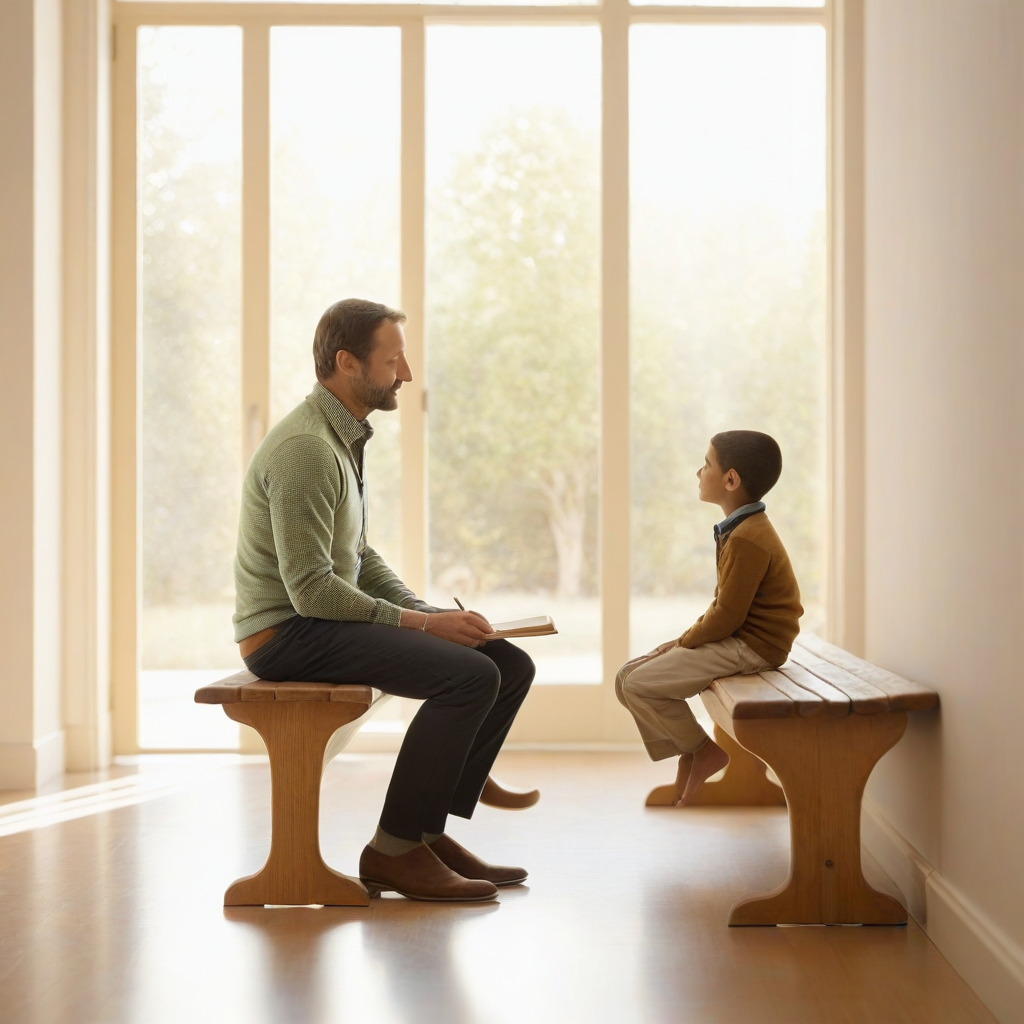
It started, honestly, with little Mateo. He kept drawing on the desks. Not like, a quick scribble. Full-blown drawings. Bold colors. And the principal was ready to send him to the office. I stopped him. Just stopped him. I sat down with Mateo, right there in the hallway, and I asked him, “Mateo, why are you drawing on the desks?”
He just shrugged. Said he was “making the world better.” Turns out, his mom lost her job, and he was just… stressed. It wasn’t defiance. It wasn't bad behavior. It was a kid trying to cope, and the whole system – the rules, the punishments – weren’t helping. It just made him shut down.
And that's when it hit me: These kids, they don't need to be told what to do. They need to be understood. They need someone to acknowledge the mess they're in, the things they’re carrying. It’s not about fixing them; it’s about creating space for them to figure it out themselves.
The key, I think, is to create a space where folks feel safe enough to actually admit, you know, *how* they’re feeling. Not with big, dramatic pronouncements, but with small, honest statements. “I felt frustrated when…” “I was worried about…” It’s about building that trust – because, let’s be real, kids are gonna keep hiding things if they don’t think anyone cares.
It's not about perfectly structured dialogues with pre-determined questions. Sometimes, it's just a quiet moment, someone listening to another person without judgment. Sometimes, it's a kid saying, "I messed up" and another kid saying, “It’s okay, we all do.” And that’s huge.
I mean, I’m not saying it’s easy. There are days when it feels like you're wading through molasses. When you're dealing with kids who are angry, scared, or just plain confused. But when you see that flicker of understanding, that little bit of relief, that's what makes it worth it.
It’s about recognizing that room 214 – and all the rooms, all the kids – they’re teaching you things you never could have learned in a textbook. They’re showing you what matters, what hurts, and how to just…be.