
Understanding Kids' Big Feelings
Sometimes, the hardest part of the day isn't the lesson plans or the parent-teacher conferences. It's watching a kid lose it. Really lose it. Like, slamming-...

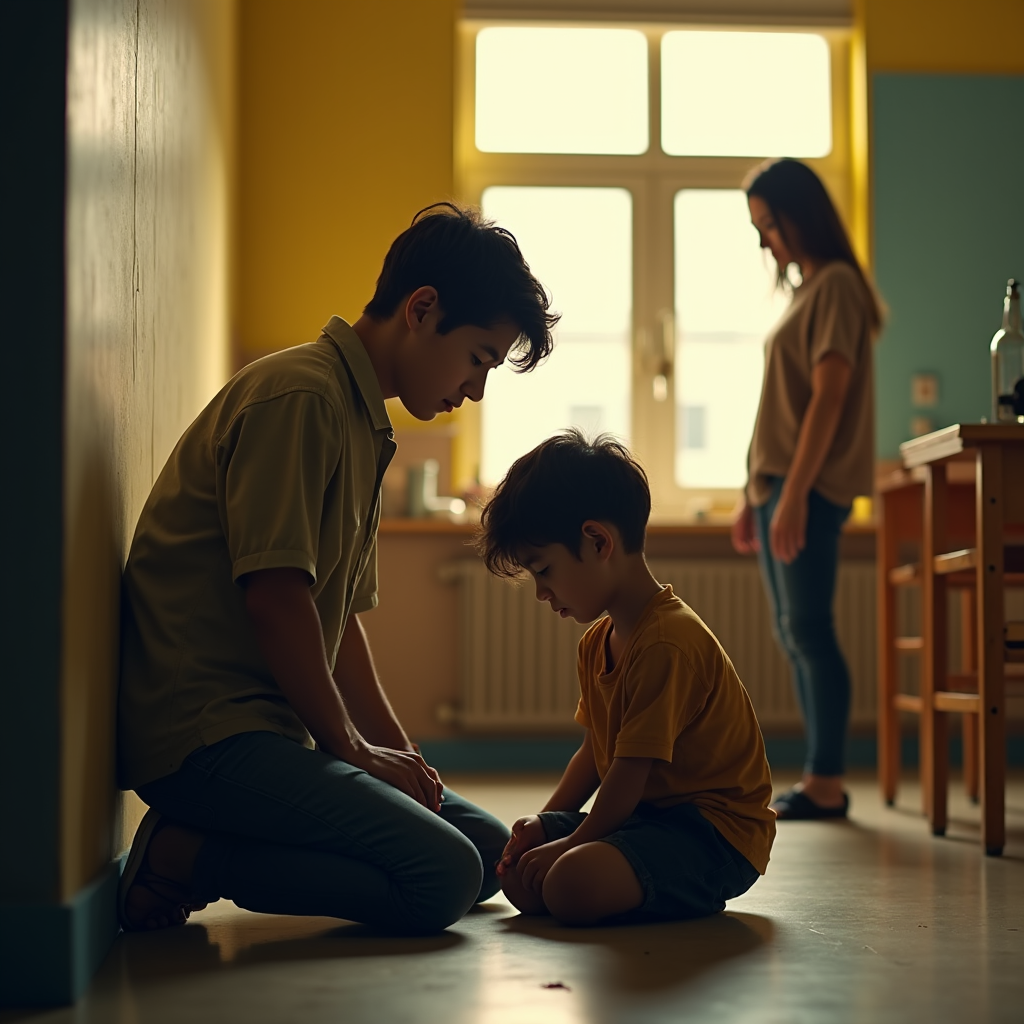
Sometimes, the hardest part of the day isn't the lesson plans or the parent-teacher conferences. It's watching a kid lose it. Really lose it. Like, slamming-doors-and-tears-streaming-down-their-face lose it. It's awful to witness, and it’s even worse when you see the parent's face—that mix of exhaustion and helplessness. You know the feeling. You've been there.
I saw it this morning with Mateo. He wanted to be the lead drummer in our African rhythms unit, and when I had to tell him, gently, that we needed to rotate, it was like a switch flipped. He went from excited to… something else entirely. It wasn’t just disappointment; it was this frantic, raw energy that threatened to spill over. He ended up in the hallway, kicking his shoes and muttering. His mom looked like she wanted to sink into the floor.
It's easy to get frustrated. To think, "Why can’t they just *calm down*?" But that’s missing the point entirely. Those big feelings – the anger, the sadness, the frustration – they’re not being manufactured. They’re real, and they're a big part of growing up. Especially now. These kids, they’ve seen a lot. They’ve felt a lot. Things feel different these days.
The way I understand it, it’s like this: their brains are still building. The part that helps you think before you act, that quiet little voice that says, “Hey, maybe take a breath,” that part isn’t fully formed yet. It’s not something you can just *learn* overnight. It's a construction project, and it takes time and a whole lot of patience. It’s like building a wall. You don't start with the fancy stonework; you lay the foundation first.
And the foundation, I’ve realized, isn't about telling a kid to stop feeling something. It's about helping them *notice* it. To name it. To understand that this feeling, however big and overwhelming, is just a feeling. That it will pass. Mateo, for example, wasn’t necessarily upset about not being the drummer. He was upset about feeling like he wasn’t seen. Like his enthusiasm wasn’t valued. Recognizing that simple truth can make a huge difference.
What I've learned from the kids, really, is that sometimes what they need isn't a solution, but a witness. Someone to just… be there. To say, “I see you. I hear you. It’s okay to feel this way.” Just that acknowledgement, that validation, can take the edge off. It’s like a pressure valve releasing. It doesn't fix the problem, but it gives them a little breathing room.
I remember one time, back in South Jersey, my niece got furious because her tower of blocks kept falling over. She was stomping and yelling, and my sister, normally so calm, was starting to get tense. I just knelt down next to her, started rebuilding the tower with her, and didn't say a word. After a few minutes, she leaned against me and just started quietly sniffling. The blocks still fell over a few times, but the explosion of frustration had passed. She just needed to feel that she wasn’t alone with her frustration.
It’s not about becoming a human emotion sponge. It's about finding a way to connect with your child in their moment of distress. To show them that you understand they’re struggling, and that you're there to help them navigate it. Sometimes, that means just sitting quietly, sometimes it means offering a hug, sometimes it means just listening. It’s about building that foundation, brick by brick, with empathy and understanding. And remember, you're building it for yourself too. Because seeing them struggle? It stirs something up in you, too.
It's a messy, imperfect process. There will be days when Mateo slams doors and his mom feels helpless. There will be days when you feel like you’re failing. But those moments, those are the building blocks, too. They’re the chances to learn, to grow, and to build a stronger connection with the kids – and the people – you love. Room 214 taught me that much.