
Understanding Resistant Children: A New Approach
Sometimes, it feels like you’re staring across a classroom full of kids and just…nothing works. You try your best, plan lessons with all kinds of bells and w...

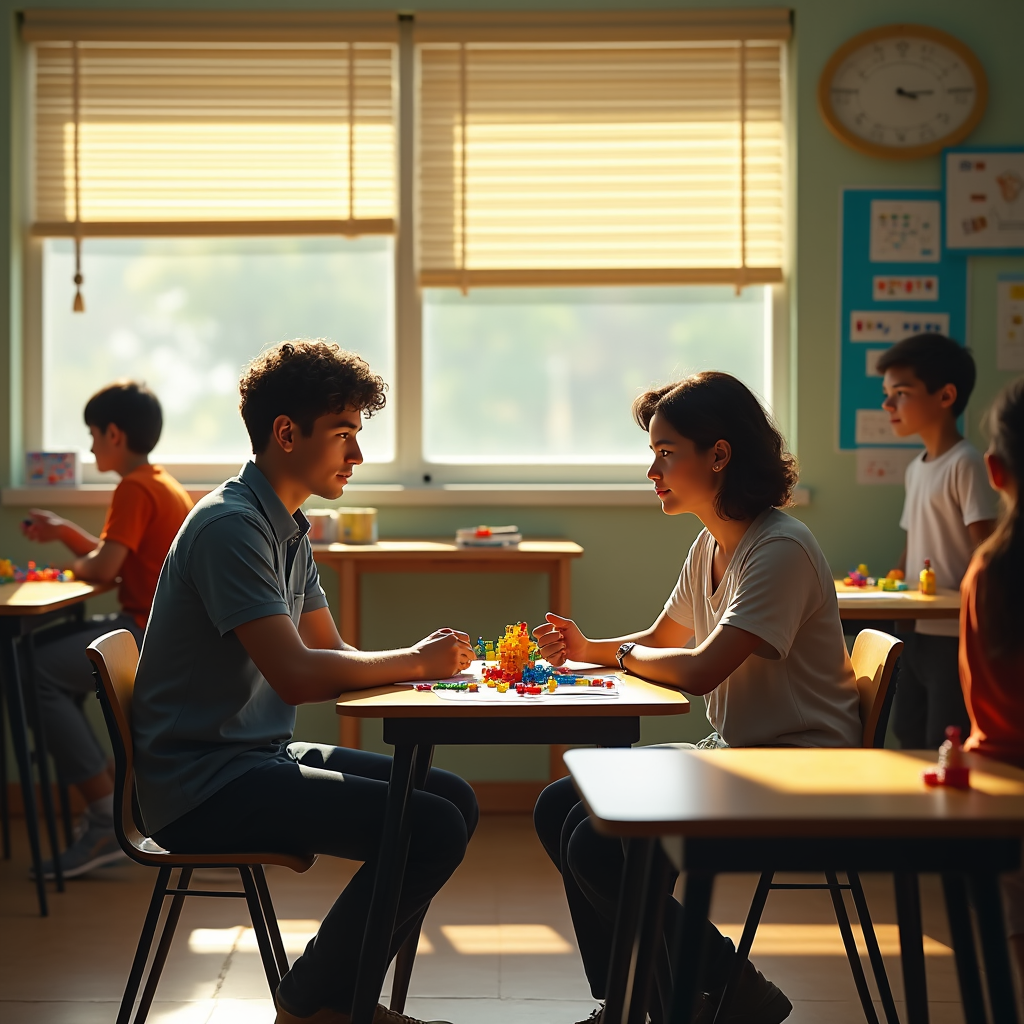
Sometimes, it feels like you’re staring across a classroom full of kids and just…nothing works. You try your best, plan lessons with all kinds of bells and whistles—games, group work, rewards charts—and still, there's this kid who seems to be actively fighting against everything you throw at them. Not in a disruptive way, not always, but like they’re locked in a silent battle just to *do* what's being asked. I saw it a lot last year, especially with Mateo. He wasn’t defiant, exactly; he was resistant. Deeply, stubbornly resistant.
My mom – she grew up in Delaware County, you know the kind of pressure they put on each other? – always used to say "a difficult child just needs more discipline." And maybe sometimes that's true. But with Mateo, and others like him, it felt like pushing against something…invisible. Like arguing with a shadow. It’s easy to get frustrated, I know. Really easy. Especially when you’re standing there thinking, *I have so many other kids depending on me*. And that frustration can quickly turn into feeling helpless, especially for the parents.
It's not about bad parenting, not at all. What it is—and what I've learned a little bit about, watching and talking with Mateo’s mom – is something beyond simple discipline. It’s something that makes kids really dig in their heels when even minor requests are made, things that have to do with feeling controlled or pressured. It shows up as meltdowns over shoe choices, absolute refusals to sit at the dinner table, elaborate excuses to avoid homework. You see it and you think they're being stubborn, but it’s more complex than that.
I started reading—really reading—about these kids. Not quick articles online, but stuff from people who have spent years working with them. The thing I kept coming back to was the idea of underlying anxiety. It's not that Mateo *wants* to be difficult; it’s that every request feels like a threat. Every direction is seen as an imposition on his sense of autonomy. And he reacts accordingly, even if unconsciously. It reminds me of trying to get my grandma to use her new phone – the first fifteen minutes were entirely spent arguing about whether she *needed* a phone in the first place.
The good news—and this is something that really lifted my spirits when I finally understood it – is that these reactions aren’t set in stone. Personality isn't some fixed destination, right? It changes and evolves. Think about how much *I’ve* changed since I was a kid wrestling with my own family expectations back in Delaware County. It takes effort, definitely, but things can shift. Mateo's mom started experimenting with giving him choices – really small ones at first: “Do you want to wear the red shirt or the blue one?” Just that tiny bit of control seemed to ease some of the tension.
It’s about creating a space where he feels safe and seen, not as someone who *has* to do something, but as someone whose perspective is valued. That's how I try to approach my classroom too – giving kids opportunities to make choices, even if it's just about their seating arrangement or the order of activities. It’s amazing what a little bit of agency can do for a kid who feels like they're constantly being told what to do.
The hardest part is patience. It takes time to rebuild trust and understanding. There are setbacks, definitely. Days where Mateo seemed back at square one. But his mom kept showing up, offering support without judgment, trying to understand the *why* behind his behavior instead of just reacting to it. She started focusing on what he enjoyed—building with LEGOs, drawing superheroes – finding those moments of connection and building from there.
And that’s really the key, isn't it? Not seeing these kids as problems to be solved, but as individuals who need understanding, patience, and a little bit of space to breathe. I know, I’ve felt suffocated myself sometimes, trying to live up to other people's expectations. It takes time—a lot of time—but there is hope for real change, for seeing that shadow shift into something brighter, something more open. And honestly, that feeling – knowing you’re helping someone move towards that light – it makes all the difficult days worthwhile.