Understanding Young Minds Friendships and Brain Development
Sometimes you see something in a study – I was reading one this week about how kids’ brains work, specifically around feelings and friendships – and it just…...

Sometimes you see something in a study – I was reading one this week about how kids’ brains work, specifically around feelings and friendships – and it just… clicks. It's like suddenly understanding why Marco always hovers near Liam during recess, or why Maya seems to orbit around Chloe like the moon. This wasn’t some revelation that makes everything crystal clear, mind you. More a feeling that some of the puzzle pieces are finally nudging into place.
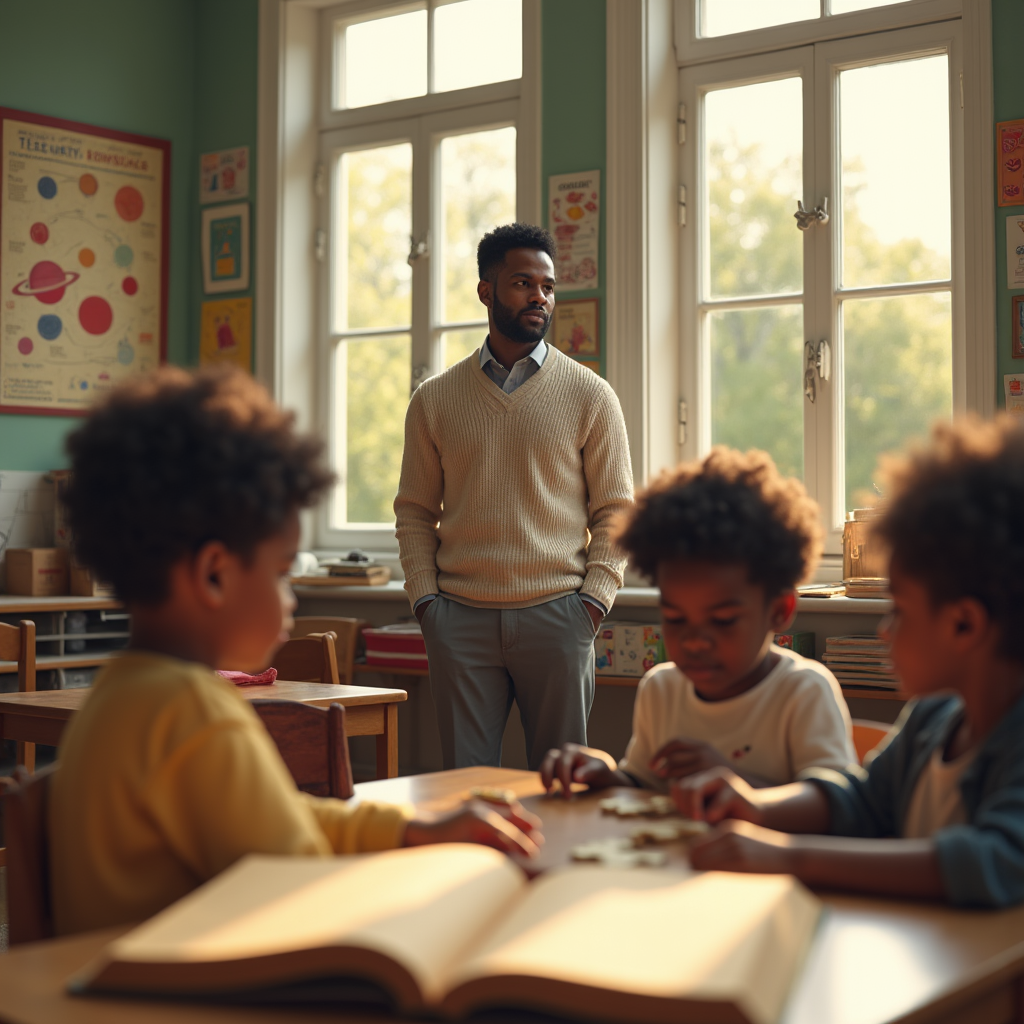
I teach third grade, so I'm seeing this stuff unfold in real-time, year after year. You notice things. Little habits, preferred playmates, who gets easily upset, who seems to know exactly how to diffuse a situation. It’s never a complete picture because kids are complicated—more than adults usually want to admit. And what I'm learning from this research is that some of those early patterns? They might be rooted in something deeper, something going on with their brains at a very young age.
The study followed a bunch of kids over time, part of this big national effort looking at how children grow up. What they found was that the way certain parts of the brain, especially areas dealing with feelings and responding to what other people are doing – those networks seemed to predict how these kids would act in their friendships later on. It’s not destiny, obviously. Kids can change. They adapt. But it does suggest that some children might be predisposed to certain kinds of social interactions, or maybe struggle more than others.
I thought about my own cousin, Frankie. He was always… intense. Never mean, but just really, really felt everything strongly. Birthday parties were a minefield of potential tears and meltdowns if things weren’t *just so*. My grandmother would say he had a “big heart.” It’s the kind of thing you shrug off as personality until you start connecting it to something bigger, something that might be wired in. She always knew him, though – she just knew how to navigate those moments with an extra hug and a quiet word.
There's a lot of talk about this research focusing on boys versus girls. It seems the patterns showed up differently, which isn’t surprising at all, really. Boys are often pushed into certain kinds of play—more roughhousing, more competition. Girls tend to prioritize connection and navigating complex emotional landscapes from much earlier on. So how much of what we *see* is just a result of expectations, and how much is something genuinely different? It makes you wonder about the whole system – school, home, neighborhood – and whether it’s unintentionally steering kids along certain paths.
It's easy to get anxious when reading stuff like this. To think, "Oh no, what if my kid has a 'concerning' brain?" But that's not really what it’s about. It’s more about understanding. About recognizing that every child is unique and develops at their own pace. Acknowledging that some kids might need extra support in navigating social situations—not because there’s something "wrong" with them, but because they learn differently or experience the world differently.
This week I've been revisiting my grandmother’s Sunday gravy recipe again. It takes hours – a slow simmer, constant attention. You can’t rush it. The ingredients are simple enough, but the process requires patience and care. Raising kids is like that too, I think. Giving them space to be themselves, observing their interactions, adjusting your approach as needed—it all adds up to something pretty special. A deep richness you wouldn't get if you tried to speed things up.
I’m thinking about Marco and Liam, Maya and Chloe. About Frankie and his big heart. All of these kids - they have so much potential. Maybe this research can help us understand them a little better, not to predict their future but to support them in becoming the best versions of themselves—whatever that might look like. It reminds me why I chose to do what I do, standing here at the front of room 214 every September, ready for whatever comes next.