Unraveling Empathy's Spectrum
Sometimes I think about how differently things are understood now than they were when I started teaching. Back then, we talked about personality as a thing –...

Sometimes I think about how differently things are understood now than they were when I started teaching. Back then, we talked about personality as a thing – a fixed quantity, rather like the weight of a grapefruit. You had it, or you didn’t, and there wasn't much room for nuance. Now, these researchers…they seem to be peeling back those layers with such precise instruments. This study I read recently—about psychopathy and empathy—is just another example of that fascinating unraveling. It suggests that what we used to lump together under the broad term “psychopathic traits” might actually represent a spectrum, different kinds of failures, if you will.
It’s not as simple as saying someone *has* it or *doesn't*. The researchers were looking at how particular behaviors—things like impulsivity and callousness—correlated with what they called "empathy deficits." I always thought of empathy as…well, just *feeling* what other people are feeling. But these folks have broken it down into three parts – cognitive empathy (understanding what someone else might be thinking or feeling), emotional empathy (actually experiencing a similar emotion yourself), and compassionate empathy (being moved to help). Turns out each one can be impaired in different ways, and by entirely separate mechanisms in the brain.
I remember Phyllis was telling me once about her nephew, Daniel. A very bright boy, but so remarkably detached from any sort of emotional consequence. He'd do things that were…jarring, really—not malicious, mind you—but devoid of a certain sensitivity. He’d make jokes at other people's expense without realizing they were hurting. Phyllis would try to explain it to him, but he just wouldn't quite *get* it. It struck me then how little we equip children with the tools to navigate these kinds of interactions; and, reading this study, I see a level of complexity that explains Daniel’s struggles in ways I didn’t understand at the time.
The thing that impressed me most about this particular study wasn't just the identification of those three facets of empathy but their approach to measuring them. You can imagine, trying to quantify something as ephemeral as feeling. They were very careful—and rightly so—to use statistical methods that could isolate each component. It’s like separating the colors in a rainbow after it has already fallen - intricate and beautiful, if you get it right. They had to account for all sorts of things – how people *report* feeling, versus what they actually *do*.
That's one thing I always stressed in my classes: critical thinking. Students these days, particularly, are so quick to accept information at face value. Relying on self-reported data is tricky, because we’re all inclined to present ourselves in a certain light. Bernard and I used to volunteer at the local soup kitchen - some of those folks… well, they'd tell you anything! It’s that human tendency to want to be seen as “good” that can skew results – both in personal interactions and in scientific research. How do you know what someone *really* believes when they are asked to describe it?
And it raises a crucial question: if we identify these deficits, what then? Can we actually *teach* empathy? I certainly believed in the power of literature for fostering understanding—reading novels, really immersing yourself in another person's experience. It’s not about simply knowing facts, but about cultivating that capacity to step outside your own perspective. Though now reading this research, I see it is much more complicated than I had previously supposed.
I find myself thinking about intervention strategies and the complexities of rehabilitation. If empathy isn’t a fixed quality but something that can be impaired in specific ways, then perhaps there *are* targeted interventions that could help individuals develop those deficits. It's not simply about moral judgment or punishment—it's about understanding how to rebuild those pathways in the brain. Like cultivating a neglected garden – it takes patience and careful tending.
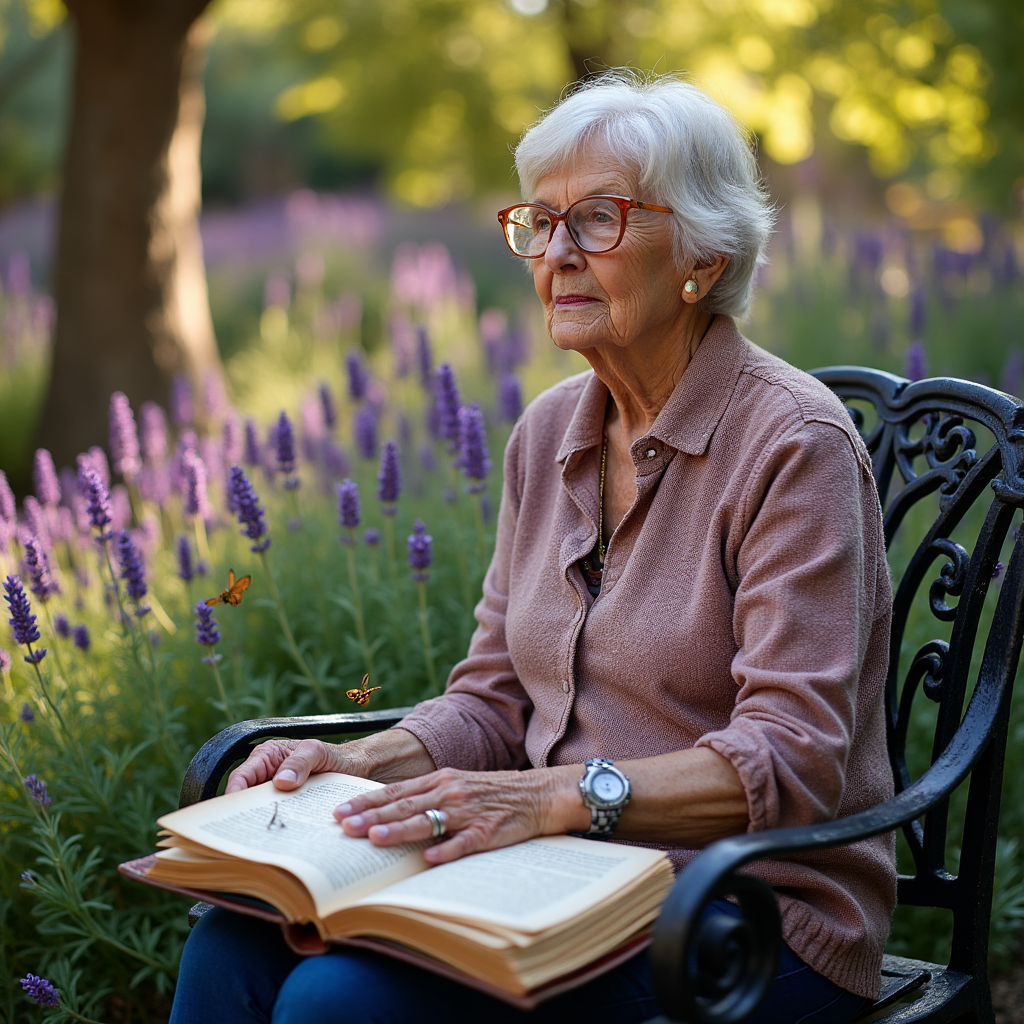
The work is reminding me of my own growing awareness as I’ve entered this new phase of life. Thirty-four years observing students, often with a need to categorize them quickly for grading purposes—it’s not conducive to appreciating individual complexity. Now, retired, and sitting in the quiet of my garden, watching things grow, there's a different kind of patience. A desire to understand, rather than simply to label. And this research on psychopathy - it helps illuminate that same shift in perspective, even when dealing with subjects as challenging as those.
I think I’ll plant some more lavender tomorrow morning. Phyllis says the bees are particularly fond of it.