Adolescence Exploration Acceptance and Connection
Sometimes, I feel like my entire career has been about helping young people figure out who they are, and sometimes that’s a journey filled with profound joy ...

Sometimes, I feel like my entire career has been about helping young people figure out who they are, and sometimes that’s a journey filled with profound joy and other times...well, it's hard to witness. We see so much resilience in these kids, but also a lot of quiet vulnerability. A recent study examining adolescent sexual identity and well-being really resonated with me, not because of the statistical nuances – I skim those, honestly – but for what it illuminated about that inherent fragility.
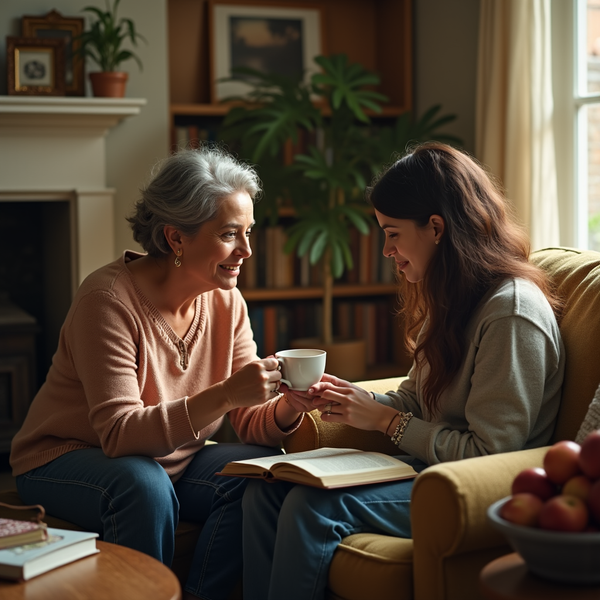
It wasn't surprising to see the connection between how safe someone feels exploring their identities and their overall mental health. Years of seeing kids come through our practice have taught me that. A young person feeling pressured to fit into a box, especially one they didn’t choose, will struggle. It reminded me of Sarah – bright, artistic, but so withdrawn when she was fourteen. She felt immense pressure from her family to conform, and it took years for her to feel comfortable enough to talk about who she truly was. The relief in her eyes when we finally started to unpack those layers…that’s what stays with you.
The study tracked changes in how adolescents described themselves over time. It wasn't just about identifying as gay or straight, but the fluidity of language itself - a young person might initially use one term and later gravitate toward another that felt more authentic. And that shift, that re-evaluation, isn’t failure; it’s *growth*. We tend to want labels—we put them on things to feel like we understand them. But for kids, particularly during those intensely formative years, maybe the point isn't a permanent definition. Maybe it’s about exploration and discovery, and feeling permission to change their minds as they learn more about themselves.
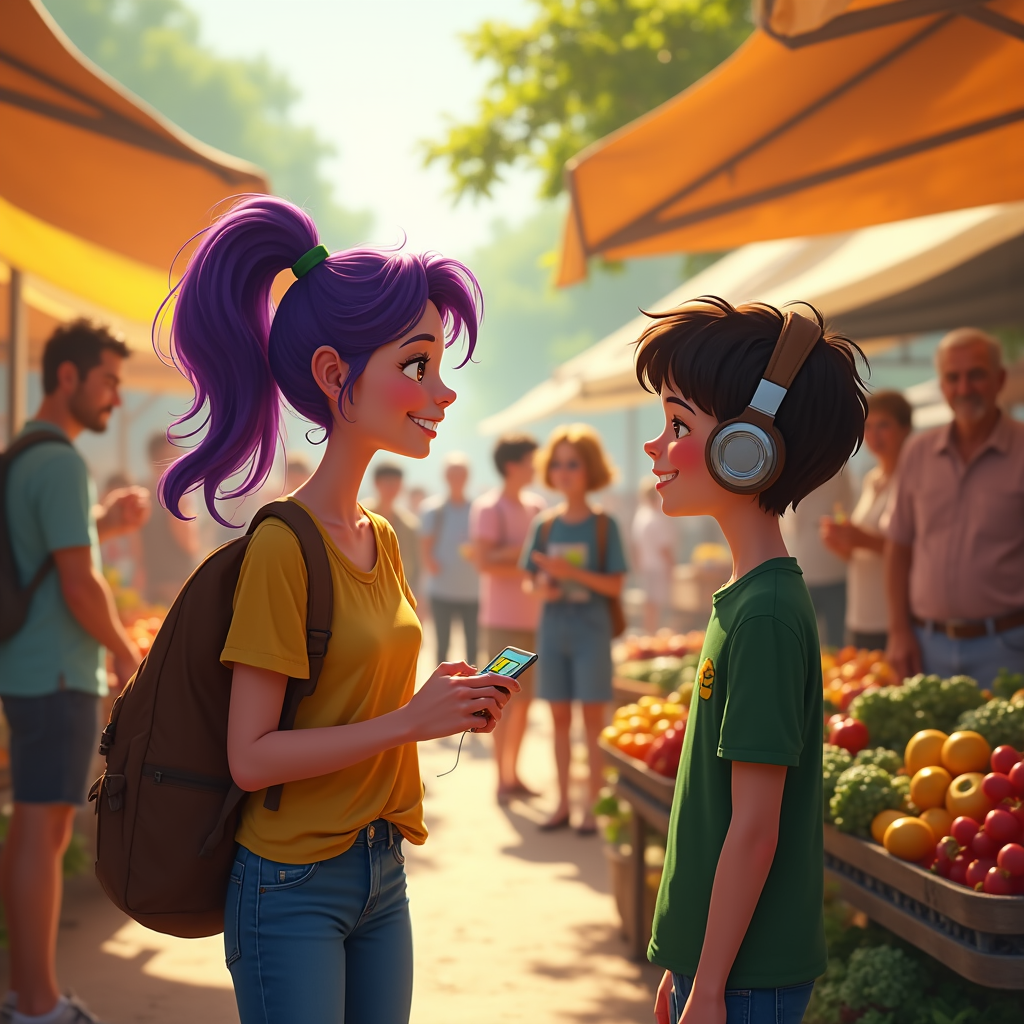
My own children, thankfully, have been pretty open. Sunday mornings at the farmers market on Ludlow – that became so vital this summer. It was just them, truly present, talking about whatever came into their heads. One of my kids started expressing an interest in art forms I knew nothing about – digital illustration and coding animation. The beauty of it wasn't my understanding; it was witnessing the sheer joy of discovery. That kind of space, that open-hearted acceptance, is what we need to strive for with all young people.
What struck me particularly from the study’s findings was how different communities created very distinct environments for these explorations. Where a young person feels supported – whether through affirming school policies, visible LGBTQ+ role models, or simply knowing their family will love them unconditionally – makes an enormous difference in their ability to thrive. When that support is absent, the burden of secrecy and fear can take a devastating toll.
We, as clinicians, educators, and frankly, as adults, need to be better at recognizing those signs – the withdrawn behavior, the anxiety, the sudden changes in academic performance. Sometimes it's not about “fixing” anything; it’s about creating that safe space where they *can* talk. Just listening, truly listening without judgment, can sometimes be the most powerful intervention we offer. It's a lesson I think every pediatrician, and every aunt for that matter, should keep close to heart.
I found myself thinking about the adolescent workshop series I finally finished drafting – something I’d been putting off for two years, ironically because of feeling overwhelmed by all this. It's important to create these resources but even more important is making sure young people know they're not alone. That their struggles are real and that there's a community of support ready to embrace them, whatever label – or lack thereof – they choose.
Ultimately, this study reaffirmed what I already knew: adolescence is complicated enough without the added pressure of feeling like you have to fit into a predetermined mold. Let’s focus on creating space for exploration, acceptance and genuine connection. It's not just about their sexual well-being; it’s about nurturing confident, resilient young people who can navigate the complexities of life with courage and authenticity.