Aging Gracefully: Food, Mind, and Connection
It seems lately I’ve been thinking an awful lot about time – how it passes, and what we might do to make the most of the years we have left. Thirty-four year...

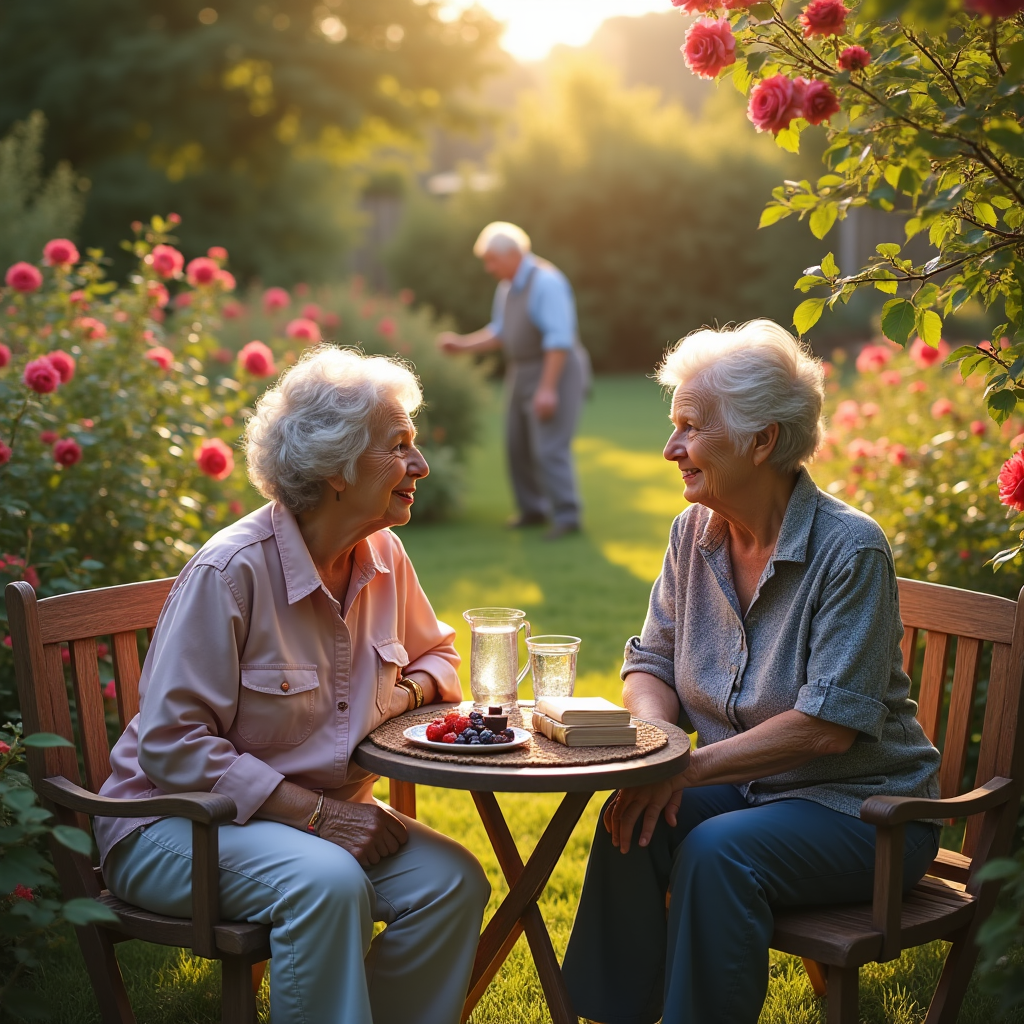
It seems lately I’ve been thinking an awful lot about time – how it passes, and what we might do to make the most of the years we have left. Thirty-four years in a classroom certainly give you a long view of things, watching children blossom and change, and knowing that one day, *you* would be on the other side of that equation. And here I am, retired now, with Bernard still working but with plenty of quiet afternoons to consider these matters. It's funny how retirement isn’t so much about doing less as it is about having space to think – and, truthfully, a bit more energy for my garden than I've had in years.
I’ve always taken a certain interest in what we call "alternative" health practices. Not fringe stuff, mind you—more the things that seem intuitively right, like spending time outdoors or appreciating beauty. But recently, I’ve been looking at it all through a different lens, informed by some fascinating reading about aging and nutrition. It's not so much *reversing* time as understanding how to support our bodies in carrying on gracefully. There is a sense of immense power that comes from doing something for yourself when previously you felt beholden to the demands of others.
We often hear about “brain food,” don’t we? But what does that really mean? Lately, I've been reading about these compounds called polyphenols – found in things like berries, dark chocolate (yes! A little indulgence is allowed!), green tea, and even red wine (another reason to enjoy a small glass with dinner!). They aren't nutrients our bodies can directly use. Instead, they are changed by the good bacteria living in our guts. It’s quite remarkable really—a partnership between what we eat and the tiny ecosystems inside us that then influence our brains.
That brings up something I know many people find bewildering – the gut-brain connection. I used to think of the brain as this isolated control center, but it turns out it’s constantly communicating with other parts of the body, especially the digestive system. When I started really paying attention to what I was eating and how my body felt afterwards—a lot more salads, a little less processed food—the difference in my general well-being was striking. It's about recognizing that true health isn’t just about organs functioning perfectly; it's about the whole system working together.
Phyllis, who sits with me for our autumn equinox gatherings now, has been exploring this area too. She tells me of studies suggesting that these polyphenols can help protect against age-related decline in thinking and memory. They seem to activate the body’s natural defenses – sort of like strengthening the shields against damage over time. This isn't about preventing aging entirely—that's inevitable, a perfectly natural process—but perhaps slowing down some of the less desirable effects, maintaining sharper focus, and feeling more alert as we get older.
Now, I’m not suggesting everyone rush out and overhaul their diets based on this information. We all know how fads come and go. What worked for my cousin Mildred – who once swore by a liquid cleanse that left her utterly miserable – isn't necessarily going to work for anyone else. My own approach is simple: build on what’s already good, like the Mediterranean diet I've slowly been incorporating over years - more fish, plenty of vegetables, olive oil instead of butter... small changes that add up.
The key word here is "support." We can’t expect food to be a magic bullet. We need exercise – even just a brisk walk around the garden – and mental stimulation – reading (I'm currently revisiting *Pride and Prejudice*) or learning something new. And perhaps most importantly, we need connection - time with loved ones, meaningful conversations. It is wonderful now to have those afternoons when Bernard isn’t home—to tend to my roses and talk for a long time with Phyllis.
It's important to be realistic too. There are so many factors that influence our health as we age – genetics, environment, lifestyle choices made decades ago. But I find it encouraging – genuinely hopeful – to think there might be things we can do now, through simple changes in diet and mindful living, to preserve those precious cognitive abilities for years to come. It's a quiet hope, perhaps, but one that fuels my desire to plant yet another row of blueberries this spring.