
Beyond Happiness: Rethinking Parenting Pressure
Sometimes, I feel like I’m wading through quicksand, and it’s not the kids. It’s the pressure. The relentless hum of expectation that seems to cling to every...

Sometimes, I feel like I’m wading through quicksand, and it’s not the kids. It’s the pressure. The relentless hum of expectation that seems to cling to every parenting decision, every choice about school, activities, even the books we read at bedtime. It's the idea that our job, as parents, is to engineer happiness and success for our children. And frankly, it's exhausting. And, I suspect, ultimately ineffective.
I remember a conversation with a colleague a few years ago, about how "good" parents make sure their kids are always smiling. Always engaged. Always achieving. And I just thought, *really?* Because I've spent enough time in emergency rooms and doctor's offices to know that joy and success aren’t constants. They ebb and flow. And trying to force them is…well, it’s a recipe for burnout, for both parent and child.
My dad's stroke earlier this year really brought this into sharp focus. Suddenly, the college applications and the soccer tournaments seemed almost…frivolous. The thing that mattered was his well-being, Mom's well-being, and navigating the raw fear that settles deep in your bones. I drove to Norwood three times a week for a couple of months, not because it was *necessary*, but because Mom needed me to be there. Because *we* needed to be there for *him*. And that shift in perspective was profound. It made me question everything I thought I knew about parenting.
We've fallen into this trap, I think – this belief that we can and *should* control our children's outcomes. That we need to curate their experiences, eliminate any chance of failure, and pave the way to a guaranteed, comfortable future. But life isn’t like that. It’s messy. It’s unpredictable. And the most valuable lessons are often learned through struggle and disappointment. I saw it with my own kids when one of them started having some difficulties with classmates. It was heartbreaking to witness and I wanted to *fix* it, to make it all go away. But intervening constantly only robbed them of the opportunity to learn resilience and problem-solving skills.
What if, instead of focusing on happiness and achievement, we focused on character? On cultivating qualities like resilience, empathy, integrity, and a strong sense of self? What if we let our children stumble, fail, and learn from their mistakes, trusting them to navigate those challenges, knowing that we are there as a safety net, not a parachute? That's a shift, a real re-orientation of priorities.
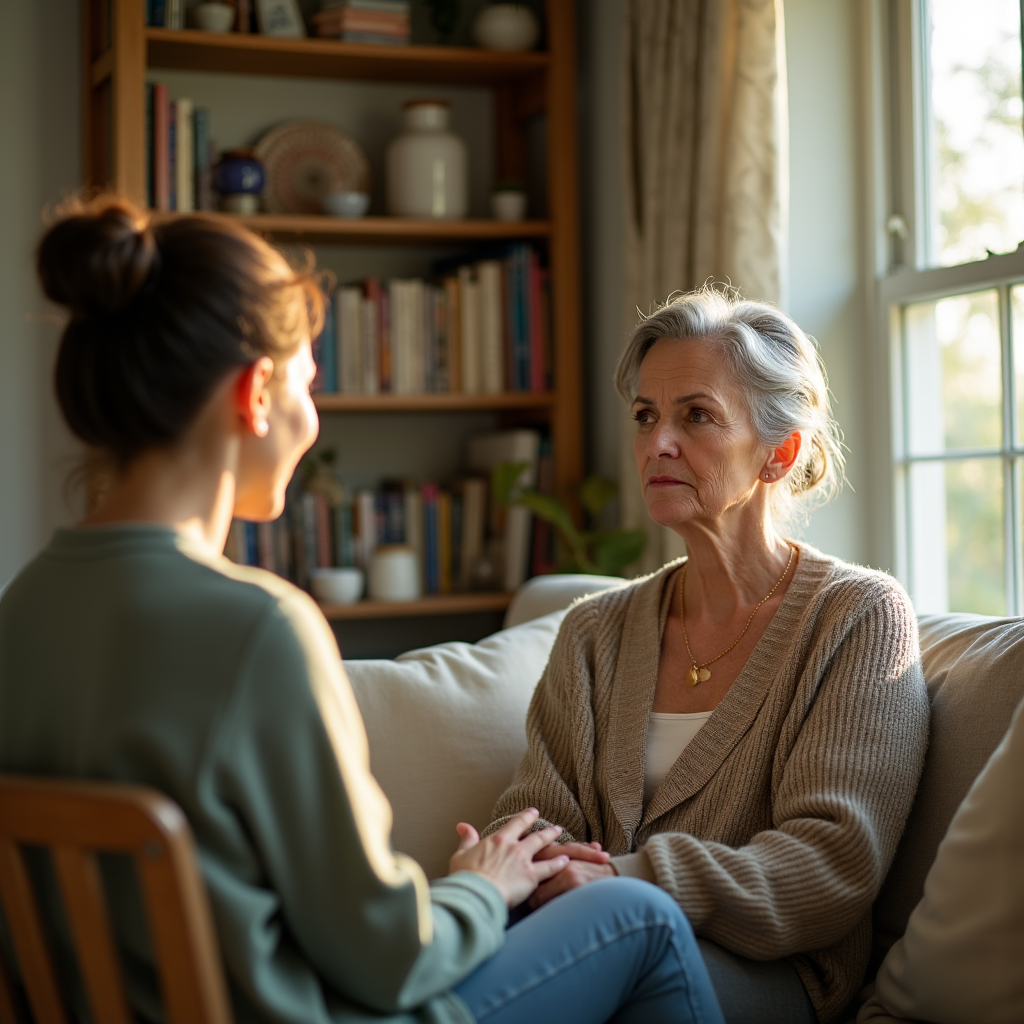
It’s about differentiation, as I learned from a wise therapist years ago, about recognizing that we are separate individuals, with our own needs and emotions, even within the context of a family. I’ve been working on managing my own anxiety – learning to take a breath before reacting to my kids’ frustrations, allowing them space to feel their feelings without immediately trying to “fix” them. Because their emotional regulation isn't *my* responsibility. It’s *their* journey. And it's so important for them to experience those feelings, even the uncomfortable ones, without the pressure of parental intervention.
This doesn't mean we abandon our children or stop supporting them. It means offering guidance, providing a stable foundation, and teaching them the skills they need to thrive, while also allowing them the freedom to chart their own course. It means recognizing that *their* definition of success might look very different from *ours*. Right now, it's a daily practice, a conscious effort to resist the urge to step in and solve every problem.
It also means, and this is vital, that we parents take care of ourselves. Seriously. Those two weeks in the fall – the kids’ school struggles, the client crises – I didn’t take care of myself. I pushed. I ignored the exhaustion. It catches up to you. It always does. Learning to parent isn’t about perfecting a strategy, it’s about constant recalibration, and that starts with checking in with your own well-being. It’s about remembering that *we* are human, too, and that our own imperfections are part of the process.