Beyond Parents: Finding Support and Belonging
Sometimes I think about all the adults who helped shape me, and how many weren’t my parents. It wasn't a lack on their part – they were wonderful, truly – bu...

Sometimes I think about all the adults who helped shape me, and how many weren’t my parents. It wasn't a lack on their part – they were wonderful, truly – but life is rarely just one source of support, especially when you’re trying to figure out who you are. And those transitions, particularly for girls, can feel… enormous. The shifts in friendships, the budding awareness of bodies and expectations, it all piles up.
My own grandmother was a quiet bedrock in my childhood. Not in a demonstrative way; she wasn't one for grand pronouncements or constant reassurance. But her kitchen always smelled like something delicious was baking, and I could always find her there shelling peas or kneading dough. It was a space of calm, of uncomplicated acceptance. She never pressured me to be anything other than myself, which is sometimes the most powerful gift an adult can give a child.
I’ve watched this play out with my own nieces and nephews as well. My sister has two daughters, both wonderfully spirited individuals, and I try to be present in their lives, not as *the* aunt – that title feels far too heavy – but simply as someone who is reliably there. It's less about grand gestures and more about being a steady presence: picking them up from school sometimes, listening when they need to vent about a playground disagreement, or just sitting with them while they read.
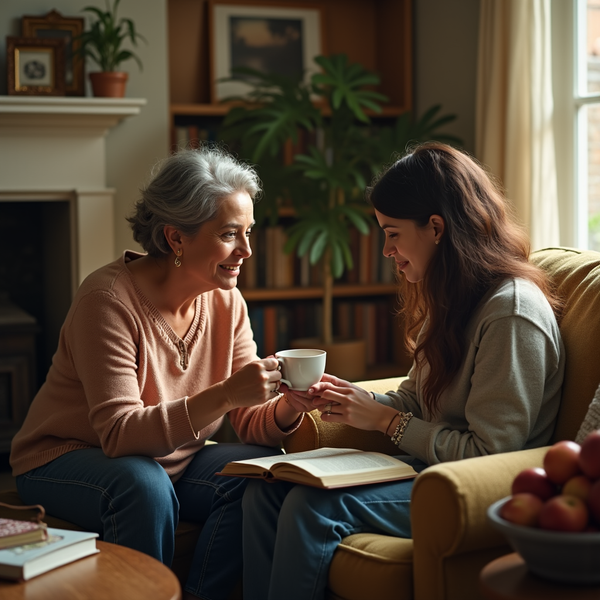
The definition of "aunt" has always felt… limiting, really. I think it’s expanded so much now. It's less about bloodlines and more about connection – the willingness to show up and listen without judgment, to offer perspective when needed, but mostly just to *be*. I've seen young women, mentors even, step into that role for girls who need it; a coach, a teacher, an older neighbor. It’s about identifying someone who radiates kindness and stability, and fostering that connection.
It’s especially important in this moment, I think. We talk so much about the pressure on parents these days – rightly so, they're doing incredible work. But it also creates this expectation that parents must be *everything* to their children. And that can be exhausting for everyone involved. Having another trusted adult in a girl’s life isn't meant to replace parental guidance; it's about adding an extra layer of support, broadening her network of understanding and belonging.
I’ve noticed a subtle shift lately, especially with the older kids at the practice. They seem more… weary, almost. There's a fragility behind the bravado that wasn’t always there before. And it makes me think about how important these safe spaces are for young people—those places where they can just *be*, without having to perform or justify their feelings.
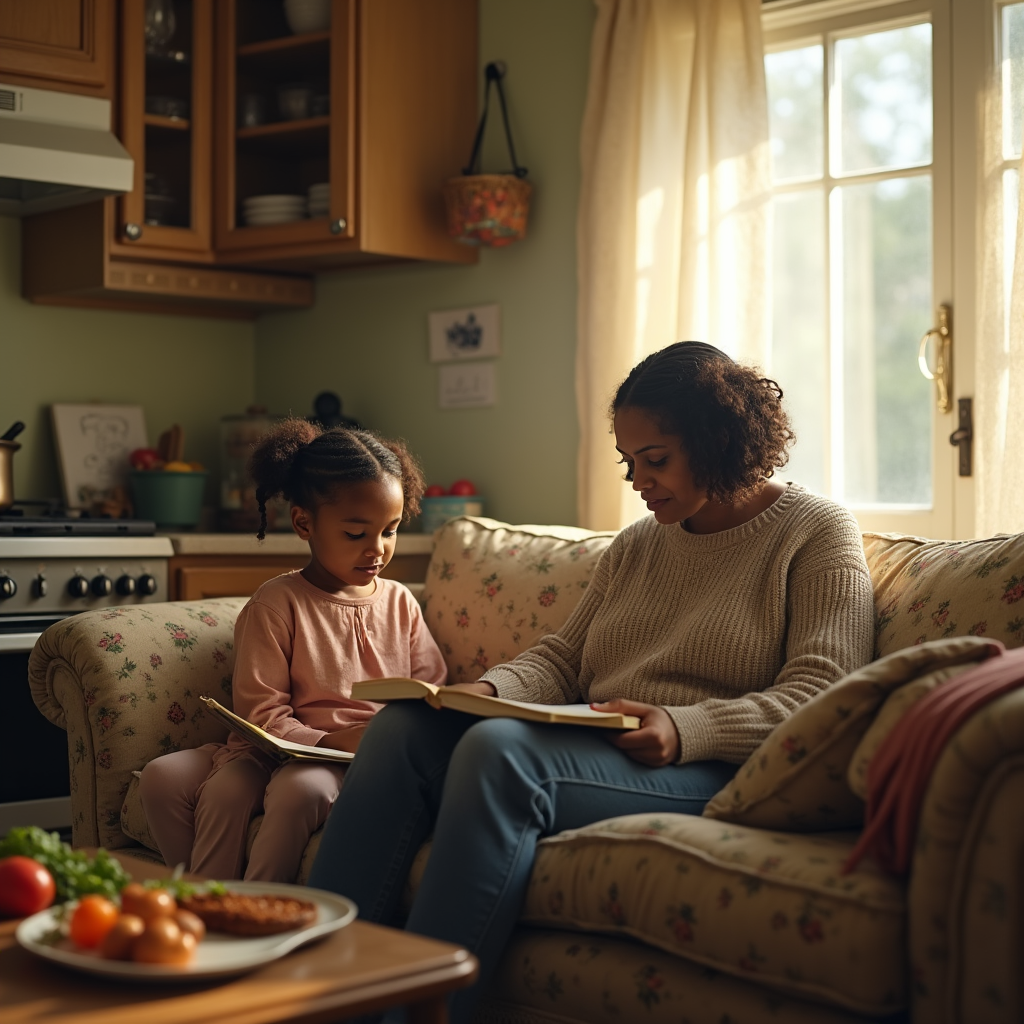
Just this weekend, my niece came over after school and spent an hour curled up on the couch with a book while I made dinner. She didn’t ask for anything, didn't need entertaining; she simply wanted to be near someone who felt safe. Moments like that remind me of the power of quiet presence, of letting kids just *be* without needing constant intervention.
It’s about fostering those small, reliable connections – the ones built on shared moments and unspoken understanding. It isn't something you orchestrate or manufacture; it grows organically when both parties are willing to nurture it. And frankly, after a particularly long week at the practice, sometimes just sitting quietly with another person is exactly what everyone needs.
It’s also been reassuring these last few months, finding my own rhythm again, carving out those Sunday mornings for myself and the kids before the rest of the day descends. The quiet has brought clarity. And it makes me want to be even more intentional about being that steady, uncomplicated presence in the lives of the young people I care about—a place where they can just *be*.