
Beyond Tests: The Everyday Moments That Matter
Sometimes I wonder what they’re really thinking. Not my students, not exactly. All kids are complicated, a swirling mix of wants and needs you can only ever ...

Sometimes I wonder what they’re really thinking. Not my students, not exactly. All kids are complicated, a swirling mix of wants and needs you can only ever guess at, especially when you're trying to manage thirty of them in room 214. No, it’s the grown-ups I worry about sometimes – the ones who design surveys, write reports, decide what "healthy" looks like for a kid these days.
I read something the other day that felt…right, though. A study—one of those things they send around to folks like me—found that when young people look back on their lives, it’s not the big stuff that stands out most. Not the wins or the losses you expect. It's the everyday things: a warm afternoon, a good laugh with a friend, finishing a project you were proud of. Things so simple they almost feel silly to list.
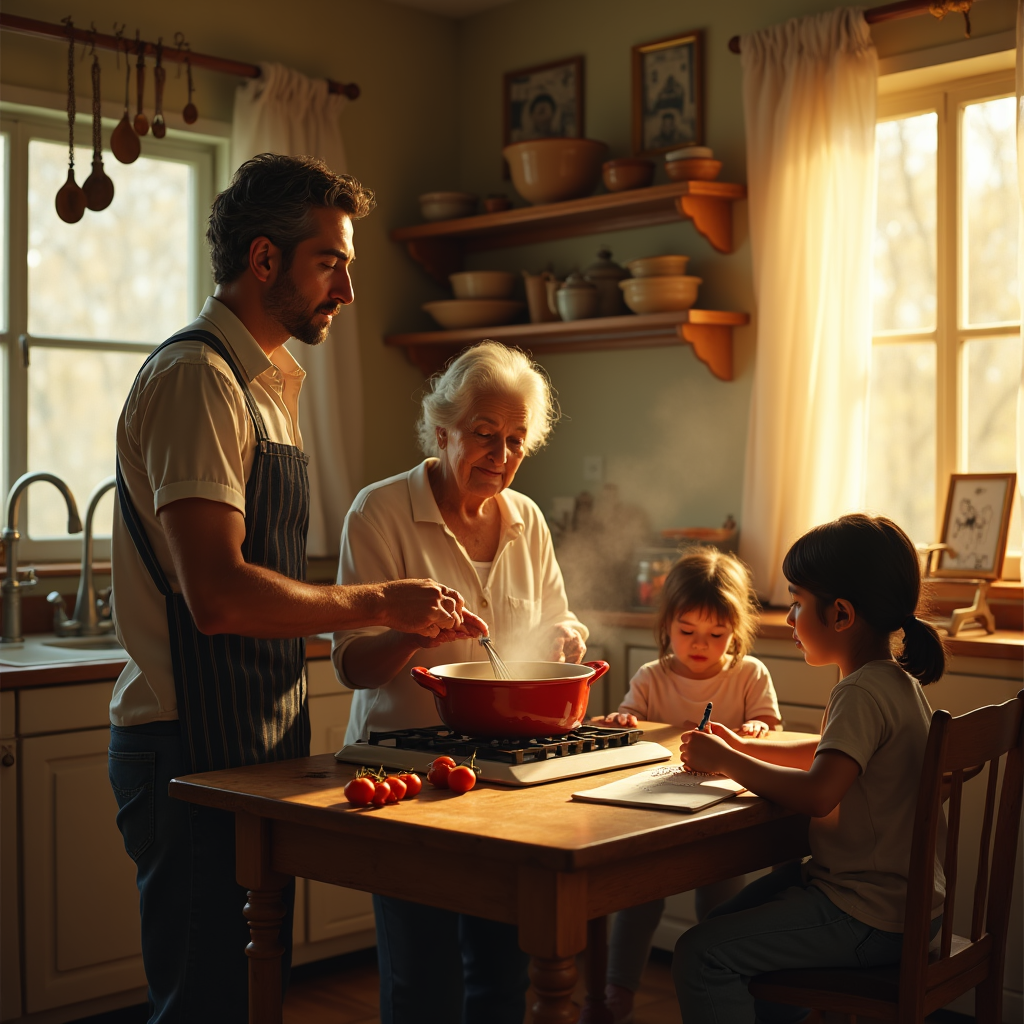
It makes sense, doesn’t it? I remember being a kid in Delaware County and the way the smell of my grandmother’s kitchen would fill the house on Sundays – that slow simmer of tomatoes and garlic that promised something comforting was coming. That wasn't a monumental event, but those Sunday afternoons are a whole heap of what I carry around with me now.
What bothers me is how often we—and by "we" I mean the adults who get paid to know about kids—scrub those simple joys out of the picture. The assessments they use, the boxes they check to see if someone’s “okay”—they're so focused on what's *wrong* that it leaves no room for all the things that are just...right. Things like feeling proud after finally getting a stubborn knot out of a shoelace or being able to draw something exactly how you imagined it.
My grandmother, she started teaching me how to make Sunday gravy years ago. Every time I'd try to rush the process, to get it done faster, she’d tell me, "Patience, Michael. The flavor builds over time." It felt like a lecture then, but now I understand – it's about appreciating all those small steps, all the little additions that make something truly special. You can’t skip ahead.
You see kids carrying around so much—stuff they haven’t even asked for. A sense of needing to be *remarkable*, always performing, always striving for some invisible benchmark set by someone else. They get funneled into measuring sticks that don't reflect their reality at all – and then the people handing them those sticks act surprised when things feel…off. When kids start exhibiting what they call “internalizing symptoms”—that quiet withdrawal, that feeling of being overwhelmed—it’s easy to blame a lack of resources or some genetic predisposition. But maybe it's just exhaustion from trying to fit into a mold that was never meant for them.
I've started paying closer attention in room 214. Less focus on test scores, more on noticing the quiet kid who finally figured out how to tie her shoes without help, or the boy who took extra time to draw a picture of his dog. Those little victories matter. Maybe those are the things that really build resilience—not some grand lesson learned in failure, but the steady accumulation of small, positive experiences.
And I think maybe it's our job – teachers, parents, whoever shows up for them – to create space for those experiences. To let kids be ordinary, to celebrate their everyday triumphs, and to help them remember that even when things are hard, there’s always something warm simmering in the kitchen just around the corner.