Beyond the Perfect Home: Resilience and Family
It’s funny, isn’t it, how often we operate on assumptions. As a pediatrician, I’ve spent decades listening to worried parents—and offering advice, I suppose—...

It’s funny, isn’t it, how often we operate on assumptions. As a pediatrician, I’ve spent decades listening to worried parents—and offering advice, I suppose—based on what we *think* we know about child development. A lot of that advice, especially regarding academic performance, has centered on the idea that a stable, predictable home life is absolutely essential. We've all heard it: a calm house, predictable routines, consistent discipline… the recipe for a successful student, right?
I remember feeling that pressure myself, not just as a professional but as a mom. Trying to keep things “just so” felt like a constant battle. It’s not about striving for perfection – nobody achieves that – but the weight of that expectation… it can be heavy. Especially when life has other plans. The past few months have been a stark reminder of how quickly “stable” can dissolve.
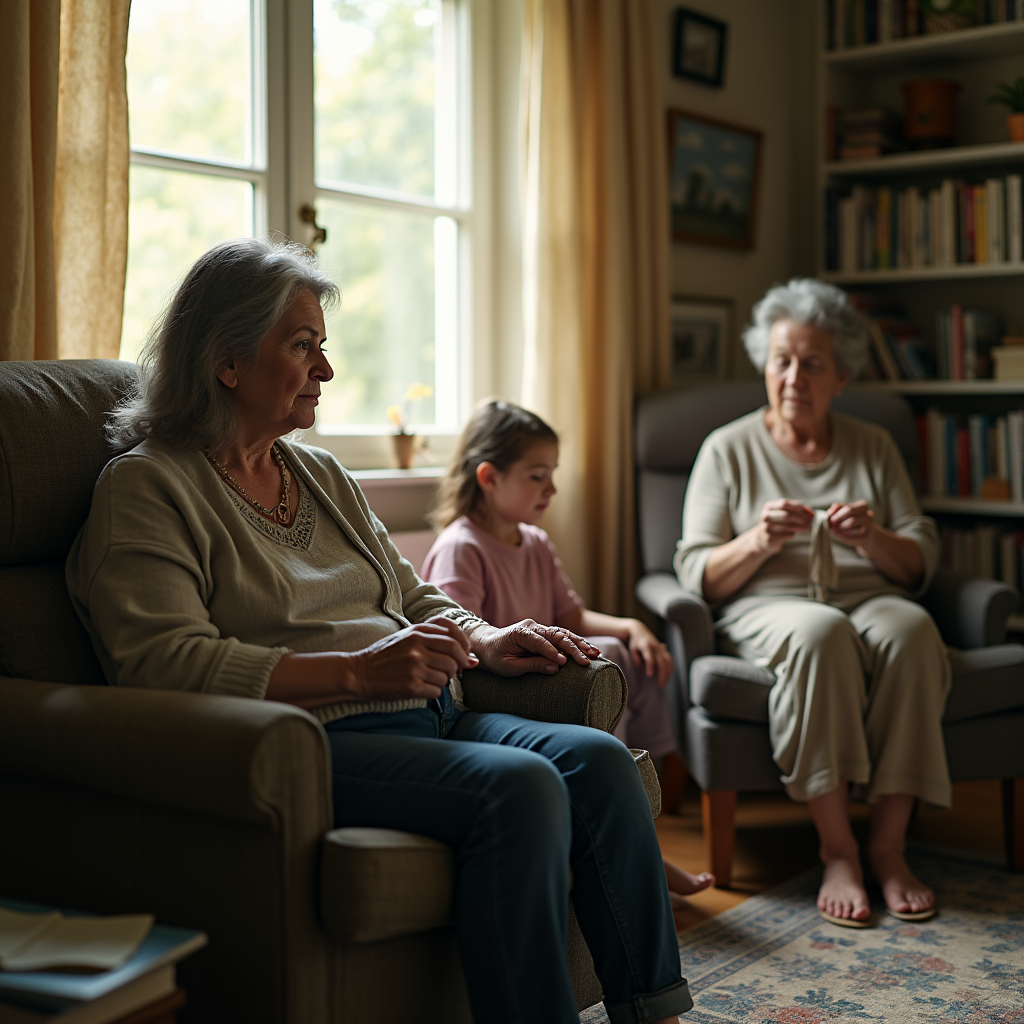
My dad had a stroke. Minor, they said. But "minor" doesn’t erase the fear, the exhaustion, the sheer disruption. Suddenly, my mom needed round-the-clock support. And me? I was shuttling back and forth to Norwood three times a week, trying to navigate doctor’s appointments, insurance forms, and endless cups of tea while also keeping my own life afloat. It wasn’t elegant. It wasn’t organized. It certainly wasn’t the picture of a perfectly managed home.
And then I read this recent study. It’s challenged a long-held belief: that a disordered home directly causes academic problems in children. Now, I’m not saying that a consistently toxic or abusive environment is okay—obviously, that's a different matter entirely. But this study seemed to suggest that the *perception* of disarray, the feeling of chaos that parents experience and sometimes project, might be less of a direct causal factor than we thought.
It makes you stop and consider what else is at play. We focus so much on the external – the organized bookshelf, the color-coded lunchboxes – that we miss the underlying currents. What about the resilience a child develops by navigating unexpected changes? What about the strength they gain from witnessing their parents supporting each other through difficult times? My middle child, bless her heart, is struggling a little at school socially. Her teacher called last month. I wonder if some of her discomfort stems from simply absorbing the tension that’s been swirling around.
It's easy to fall into the trap of blaming the environment. It's almost a default response when a child is struggling. It’s so much simpler than grappling with the complexities of genetics, individual temperament, and the intricate web of family dynamics. Maybe it's not about creating a "perfect" home – a goal that's both unattainable and, perhaps, misguided. Maybe it’s about creating a home filled with love, connection, and a willingness to face challenges together, even when things feel overwhelmingly messy.
There’s a certain comfort in knowing that our efforts, even when they fall short of ideal, might still be contributing to a child's growth in ways we don’t fully understand. This study isn't a license to let things slide, of course. But it *is* a permission slip to release ourselves from the tyranny of perfectionism and to trust in the inherent resilience of children – and the power of family, in all its wonderfully imperfect glory.
And frankly, right now, I'm grateful for the permission. It means I can focus on making sure my kids know they're loved, even – and maybe especially – when the house looks like a hurricane hit. Because sometimes, the most valuable lessons aren't learned in a meticulously organized space, but in the midst of the beautiful, chaotic mess of life.