
Breaking Free From Familiar Patterns
Sometimes, recognizing a pattern isn’t enough. It’s like seeing the weeds choking a rose bush – you know the roses would bloom beautifully if they were freed...

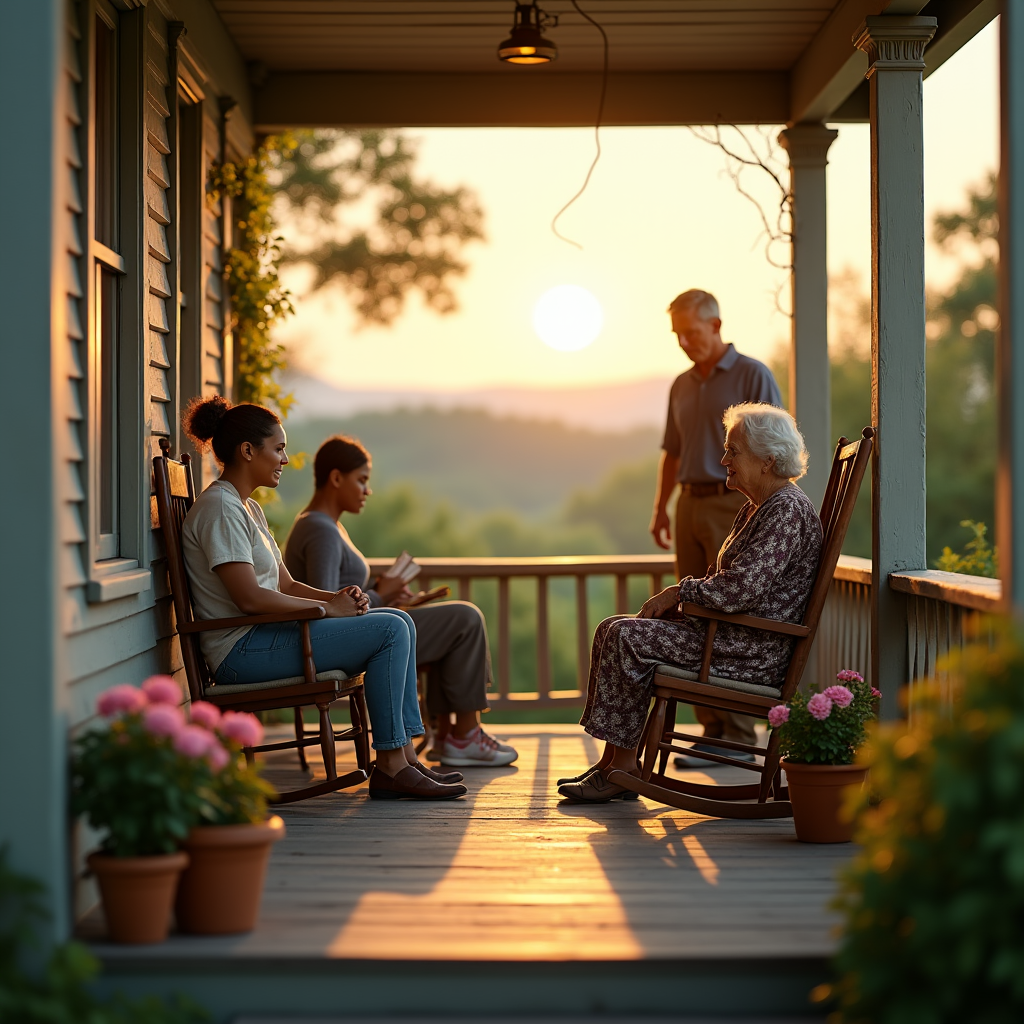
Sometimes, recognizing a pattern isn’t enough. It’s like seeing the weeds choking a rose bush – you know the roses would bloom beautifully if they were freed, you *understand* what needs to be done. But pulling those weeds? That’s a different matter entirely. It's a feeling I’ve wrestled with, over and over, not just in my own life, but watching the lives of my children and grandchildren unfold. We become aware, often through a painful realization, of how we repeat mistakes, how we fall into the same traps. And then we're left feeling…stuck.
I remember when Kevin was just starting his career. He recognized he was always agreeing to projects he didn’t have time for, spreading himself thin to the point of exhaustion. He *knew* it wasn't sustainable. He talked about it, analyzed it, even tried a few strategies. But he kept doing it. It wasn’t a lack of intelligence, it was something deeper, a kind of…comfort in the familiar rhythm of feeling busy, of feeling needed. It was a loop, and breaking it felt impossible. It reminded me a bit of my own attempts, years ago, to be a better gardener. Knowing the soil needed amending was easy; actually amending it? That felt like a monumental task.
The brain, you see, is a remarkable thing. It likes things to be predictable. It builds a little model of the world – a framework of expectations – and it tries to make sense of everything through that lens. When something unexpected happens, it adjusts that model. But that adjustment can be slow, especially if the unexpected thing challenges a deeply ingrained belief. It’s like when Lily arrived. We’d been looking forward to her visit for so long, but the reality of having a new baby in the house was…disorienting. My instincts, honed by years of managing a classroom of boisterous children, were completely out of sync with what a newborn needed. It took time, and a lot of patient observation, to recalibrate.
And that’s the thing about change, isn't it? It isn’t just about *knowing* what to do. It's about *feeling* safe enough to do it. We gravitate towards what’s familiar, even if it’s painful, because at least we know what to expect. There's a strange stability in that predictability, even if it’s a stability built on sand. Jerry, bless his heart, understood this so well. He didn't offer advice when I was struggling with Kevin's situation. He just listened, held my hand, and let me know that he was there, a steady presence in the midst of the chaos. Sometimes, that’s all we need – someone to simply be present, to witness our struggle without judgment.
The drive through Georgia last November, after being with Lily and Kevin, was incredibly peaceful. The light filtering through the trees, the smell of the earth… it felt like a balm to my soul. But even in that beauty, I was reflecting on how much of our lives are spent resisting change, clinging to the shores of what we know, even when we yearn to explore the open sea. It's a delicate balance, that tension between the desire for stability and the need for growth.
I’ve come to believe that true change isn’t about willpower. It’s about creating an environment where new, healthier patterns can take root. It’s about finding someone—a friend, a therapist, a supportive family member—who can provide that safe space, that consistent reassurance, that gentle nudge in a new direction. Kevin, eventually, found that in a colleague at work who encouraged him to prioritize his wellbeing. It wasn’t a dramatic intervention, but a steady, quiet presence that helped him shift his perspective.
It's not that we stop feeling the pull of the old ways, mind you. The weeds will always try to reclaim the rose bush. But with a little patience, a little understanding, and a whole lot of grace, we can create a garden where beauty can truly flourish. Even when, every now and then, we find ourselves pulling weeds.
Retirement, Jerry says, is going to be good. I believe he's right. Not because it will magically erase all the patterns of the past, but because it will give me the time and space to truly cultivate a life of peace and purpose. A chance to tend my own garden, and perhaps, to help others tend theirs as well. And that, I think, is a beautiful thing.