Childhood’s Echoes: Shaping Our Souls
## The Echoes in Their Hearts: Understanding a Child’s First World From the very first moments, before words can form and memories take hold, something profo...


## The Echoes in Their Hearts: Understanding a Child’s First World
From the very first moments, before words can form and memories take hold, something profoundly important is unfolding. A baby cries, a desperate, insistent plea for comfort, or perhaps simply a quiet wait for the world to respond. These initial interactions—the warmth of a caregiver, the frustration of unmet needs, the simple act of being held close—they aren’t just moments; they’re the very building blocks of a child’s mind. Few psychologists understood this with the depth and insight of Melanie Klein. Her theories, particularly her concept of object relations, offer a startlingly early perspective on the origins of our psychological lives, challenging the long-held assumptions of Freud.
Klein didn't see the infant as a blank slate, passively absorbing feelings. Instead, she envisioned a child actively shaping their world, forming internal representations of those significant figures – primarily, the caregiver. These weren’t just feelings; they became ‘internal objects,’ imbued with emotional weight and profoundly impacting the child’s developing sense of self. It’s a remarkably intimate view, suggesting that the seeds of our anxieties, attachments, and ultimately, our relationships, are sown long before we consciously understand them.
Klein’s own life, tragically, provided a chillingly relevant illustration of her theories. Born in 1882 into a family marked by financial struggles and a complex dynamic – her father, a physician struggling with debt, and her mother, a fiercely intelligent and ambitious woman – Melanie’s early experiences shaped her profoundly. Her mother, Libussa, was a particularly strong presence, a constant source of emotional support, mirroring the core of Klein’s belief that the mother-infant relationship is the bedrock of human psychology. The close bond between them served as a potent example, highlighting the importance of secure attachments in a child’s development.
The first significant loss came when Melanie was just four years old – the death of her beloved sister, Sidonie, from tuberculosis. Children, especially young ones, often struggle to process the permanence of death, viewing it through a lens of confusion and disorientation. This early experience, a direct encounter with absence, profoundly shaped Klein’s understanding of how children grapple with loss, a theme that would become a recurring motif in her later work. It’s a poignant reminder that even the smallest losses can leave an indelible mark.
Further complicating matters, her brother Emmanuel, a significant intellectual influence and a source of unwavering support, died in 1902 at the age of twenty-five. This second devastating loss, coupled with a period of severe depression, triggered Klein’s entry into psychoanalysis. Ironically, the very process of seeking healing through therapy ultimately fueled the groundbreaking theories that would revolutionize the field of psychoanalysis. Klein's personal struggles served as a crucial catalyst for her intellectual development.
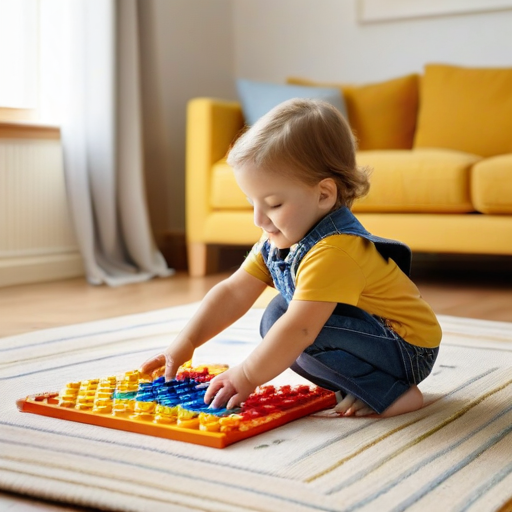
It was during her work with Sándor Ferenczi, another prominent Freudian psychoanalyst, that Klein began to develop her unique approach, one that prioritized children’s experiences and moved away from the traditional free association method used with adults. She recognized that children possess a far more intricate emotional life than Freud had acknowledged, and that this sophisticated emotional landscape emerges at a surprisingly early age. Her innovative use of play – through toys, drawings, and storytelling – allowed her to access the rich, often unspoken, experiences of young children.
At the heart of Klein's theories lies the concept of “splitting,” a mechanism whereby the infant divides their world into “good” and “bad” objects. Initially, the infant experiences the caregiver – the breast, primarily – as “good,” offering comfort, nourishment, and security. However, frustration, hunger, or any negative experience can transform the caregiver into a “bad” object, threatening the infant’s sense of safety. This splitting, though seemingly irrational, serves as a protective mechanism, shielding the infant from overwhelming emotional turmoil as they navigate the complexities of their early experiences.
Ultimately, Klein’s work demonstrated that the roots of our adult emotional life—love, anxiety, jealousy, compassion—are already present in the infant’s first relationships. It’s a humbling and profoundly insightful perspective, reminding us that the echoes of our earliest experiences continue to resonate throughout our lives. Her legacy, built upon a foundation of personal experience and profound observation, continues to shape our understanding of child development and the enduring power of early relationships.