
Community Wounds: A Legacy of Pain
Neighborhood trauma doesn't just leave scars on buildings; it seeps into the very marrow of a community, shaping how folks process pain, how they build trust...

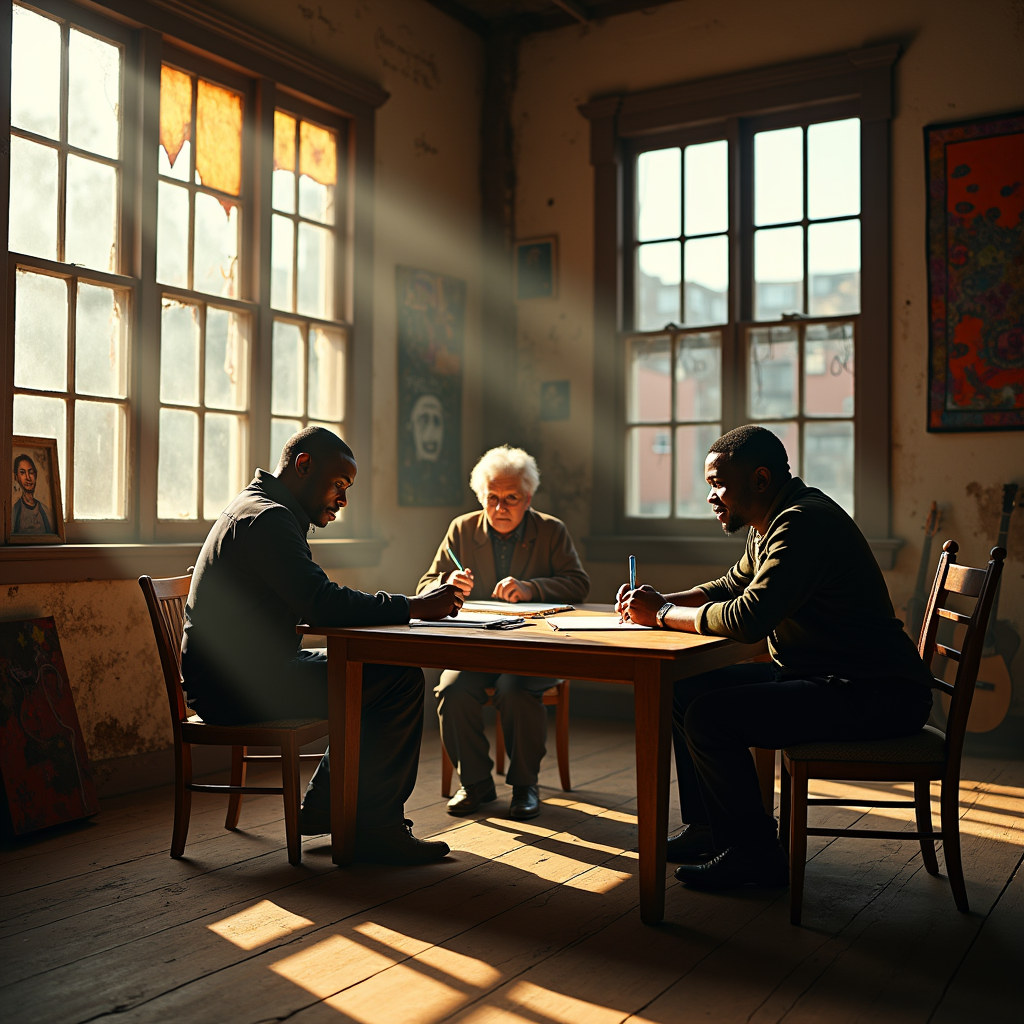
Neighborhood trauma doesn't just leave scars on buildings; it seeps into the very marrow of a community, shaping how folks process pain, how they build trust, and frankly, how they just *be*. We’re talking about more than just a tough block, man. We’re talking about the kind of stories that get passed down, the absences that fill the spaces, the lingering scent of what *was* and what *could never be again*. It’s a generational weight, a silent soundtrack playing in the background of every interaction.
The thing is, folks don't always talk about it. It’s a shame, really. Especially when you see families struggling, when you witness the quiet desperation in people’s eyes. It’s easy to chalk it up to “bad luck,” to tell someone to “just move on,” but that’s a damn lie. You can’t just erase what happened. It’s in the soil, it’s in the water, it’s in the faces of the elders.
And the way the system responds—or doesn’t respond—amplifies everything. When there's a lack of investment, when resources are diverted, when the police don’t *see* you, when the schools aren’t equipped—it’s like throwing gasoline on a fire. It’s a constant reminder that you’re disposable, that your well-being isn’t a priority. That creates a cycle, a profound distrust.
This isn’t just about individual struggles; it’s about a collective trauma that ripples outward. It affects how folks relate to each other, how they navigate authority, and how they even perceive their own worth. You start to build walls, not just physical ones, but emotional walls too, out of necessity to protect yourself from further hurt.
It’s a heavy burden, this legacy of hardship. And the interesting part is, within that weight, there’s also a resilience. A fierce determination to rebuild, to find beauty amidst the brokenness, to create something new from the ashes. You see it in the art, in the music, in the way people come together to support one another—it’s a testament to the human spirit, even when it’s battered and bruised.
But acknowledging the root causes is the *first* step, you know? It’s about naming the pain, not minimizing it, not silencing it. It’s about recognizing that the issues we face today—the mental health struggles, the economic disparities, the systemic injustices—are often rooted in the unresolved traumas of the past.
We gotta start talking, really talking, about the things that haunt us. We gotta create spaces where people feel safe to share their stories, where their pain is validated, where healing can begin. It ain’t easy, but it’s essential. It's about reclaiming our narrative, about redefining our future, about building a community where everyone feels valued, respected, and empowered.
Ultimately, it's about recognizing that our collective trauma is not a weakness, but a source of strength—a reminder of our shared humanity and a call to action. It’s time to move beyond shame and blame and towards empathy, understanding, and a commitment to creating a more just and equitable world for ourselves and for generations to come.