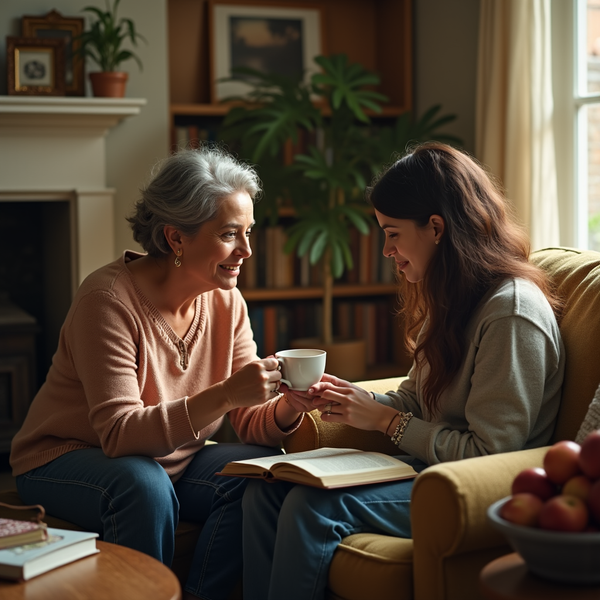
Rediscovering the Quiet Space Within
Sometimes I wonder what it used to *feel* like to just…be. Truly be, without a soundtrack. It’s not about wanting endless hours lounging on a chaise lounge; ...

Sometimes I wonder what it used to *feel* like to just…be. Truly be, without a soundtrack. It’s not about wanting endless hours lounging on a chaise lounge; that's a caricature. It's about remembering, or perhaps rediscovering, the quiet hum of your own thoughts when they aren’t constantly vying for attention with notifications and streaming services and the demands—real and perceived—of daily life. I see it in my practice all the time – kids so wired, so actively entertained that a five-minute wait feels like an existential crisis.
My niece, Lily, turned ten last month. She's wonderful, sharp as a tack, but she needs constant stimulation. Not because she’s “bad” or demanding; it's become normalized to fill every empty space with something—a game, a show, even just a rapid-fire conversation about the latest TikTok trend. I remember summers when my cousins and I were kids. We didn't have elaborate camps or structured activities. We built forts in the woods behind my grandmother’s house, spent hours catching fireflies, made up stories with fallen leaves. It wasn’t always *fun* fun; often it was quiet, contemplative, sometimes even a little lonely. But from that loneliness grew something vital.
That space – that feeling of being adrift without an immediate task or expectation – is where creativity stirs. I've been thinking about this a lot lately, partly because I finally finished writing the adolescent workshop series I’d put off for two years. It felt like the dam broke when it did. What had held me back? Not lack of time—though there was plenty of that—but rather a constant mental clutter. The noise made it hard to hear my own voice, to find the kernel of an idea and let it grow.
It’s fascinating how much we've medicalized boredom. We talk about "attention deficits" as if they're solely biological, neglecting the crucial role environmental factors play. I'm not a neuroscientist; I just see children – bright, capable kids who are struggling to find their way in a world that doesn't offer them much room to simply *be*. Their brains aren’t malfunctioning; they’re adapting—perhaps too efficiently—to an environment designed for constant engagement.
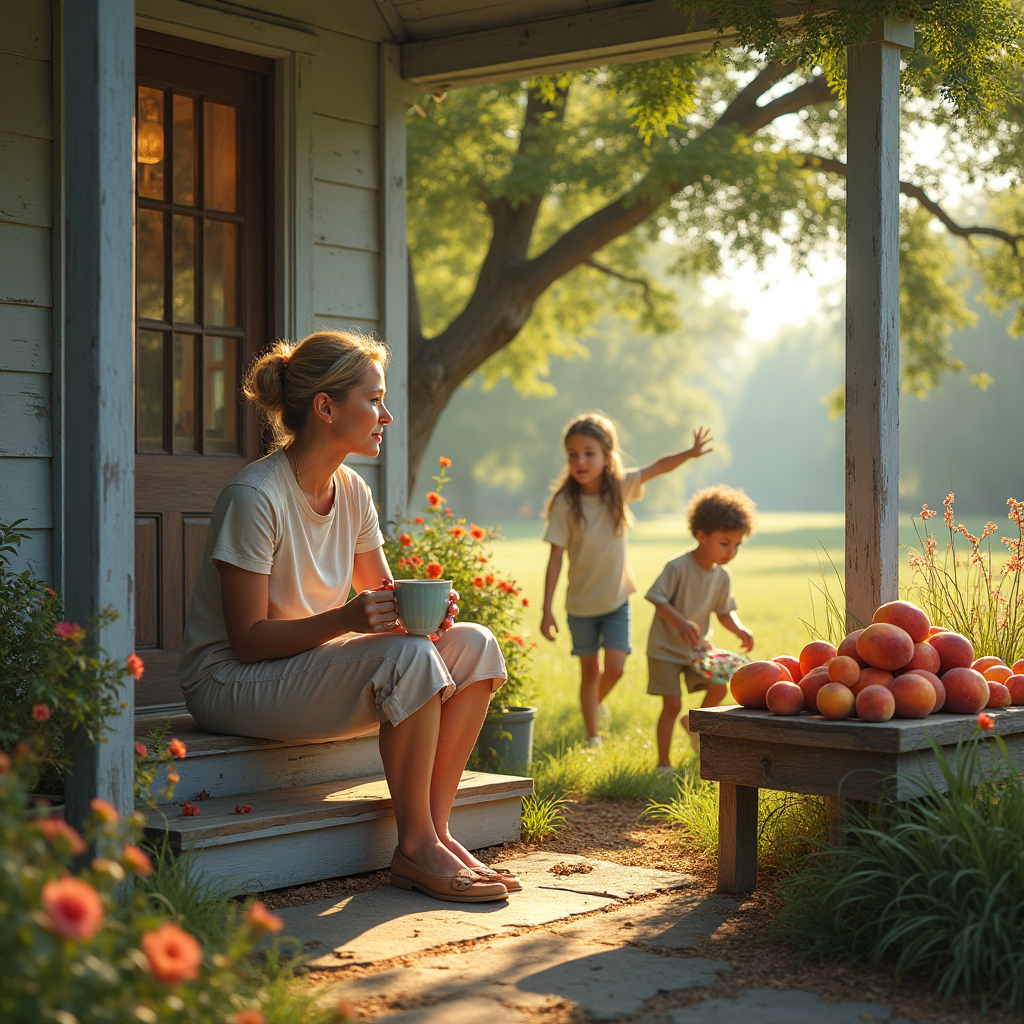
Sunday mornings have become something of a refuge now. A conscious choice to disconnect, just a little. The kids are messy and loud, the farmers market can be chaotic, but it's real. It’s not curated or manufactured entertainment. I sit on the porch with a cup of coffee and watch them chase chickens (much to my sister's exasperation) and I feel…lighter. That quiet hum returns, just for a little while.
I wasn't always like this, mind you. There was a period there – years, really – where I felt compelled to be constantly “on.” Checking emails at dinner, squeezing in extra appointments before dawn. It felt productive; it felt necessary. Then something shifted. A gradual recognition that the things truly worthwhile were often found *between* those frantic moments—in the stillness, in the unscheduled time, in the space where thoughts could wander and connect in unexpected ways.
It's not about advocating for a complete withdrawal from technology or modern life. That’s unrealistic, and frankly, undesirable. But it is about creating intentional pockets of quiet. Finding small moments to simply *notice* – notice the light through the leaves, the way my son concentrates on building a Lego castle, the taste of ripe peaches at the market. It’s about recognizing that those moments, however fleeting, are essential for our well-being and for fostering creativity and resilience in ourselves and our children.
Maybe "boredom" isn't the right word for it. Perhaps it's more accurately described as a space – a fertile ground where imagination can take root and flourish. And I suspect that even in this hyper-stimulated world, that essential human need—that yearning for quietude—will always endure. It just takes a little conscious effort to cultivate it.