Connections, Progress, and the Human Mind
Sometimes, I think about how little we truly understood the workings of the mind, even a few decades ago. I remember teaching remedial reading to children wh...

Sometimes, I think about how little we truly understood the workings of the mind, even a few decades ago. I remember teaching remedial reading to children who struggled, and feeling utterly helpless when the cause wasn’t a matter of simple diligence. It wasn't a lack of effort, dear Lord, it was… something deeper. Now, there's so much more research, so much more awareness. It's a comfort, truly, to see that shift.
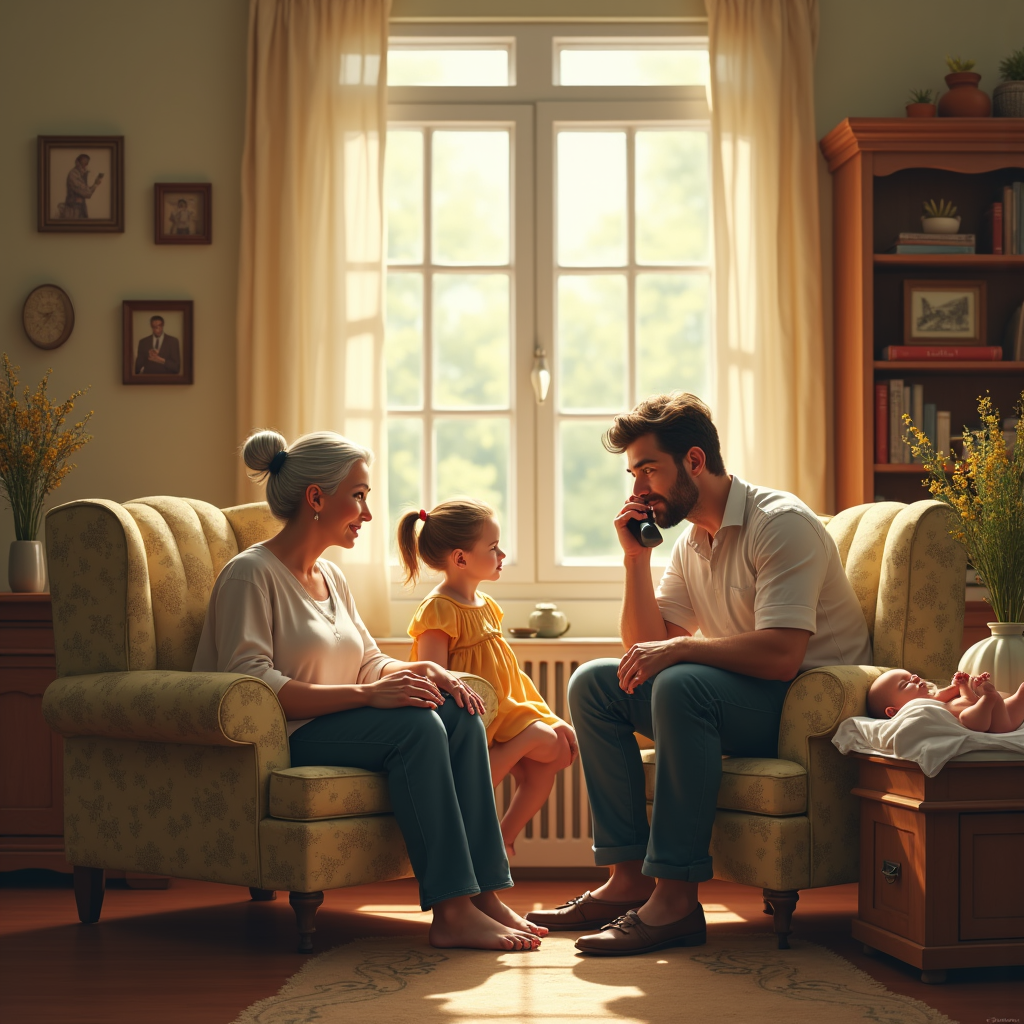
My grandson, Eli, started school today. Just a small thing, you might think, but those first days are always a whirlwind. I was on the phone with Marcus, coordinating everything from Fredericksburg, a little frantic as always. It reminds me that progress isn't just about scientific breakthroughs; it’s about the practical application of knowledge, about helping individual children, individual families, navigate the complexities of life. And that requires connection, a willingness to reach across disciplines and communities.
The brain is a marvel, isn't it? Jerry and I drove back from Ponte Vedra just last month. Lily had arrived, and the whole family gathered. Kevin, bless his heart, looked as if he hadn't slept in a week. It's a lot to take on, caring for a new baby, and I wanted to ease the load. I cooked, I organized the freezer, I took the overnight shifts. Little things, but important. And Jerry, well, he just sat on the couch with Lily for an afternoon, cradling her gently. He looked so peaceful, so content. A simple act of love, and a reminder of how vital human connection is.
We’ve always known that good research isn’t done in a vacuum. Years ago, when I was coordinating the school's book fair, I learned that a successful event wasn't just about selecting the right titles; it was about partnering with parents, local businesses, even the children themselves. Everyone had a stake, a perspective to share. And that collaboration, that shared responsibility, led to a far richer experience for everyone involved.
There's a tendency sometimes to think of science as a purely objective pursuit, divorced from human emotion and experience. But that’s simply not true. The people behind the research – the scientists, the technicians, the administrative staff – they’re all human beings. They bring their own biases, their own hopes, their own fears to the table. And the people *affected* by the research – those living with neurological conditions, their families, their caregivers – they bring an invaluable perspective that can’t be found in any textbook.
That drive down through Georgia, after our time with Lily, was breathtaking. The colors, the light... It felt like a promise, a sense of forward movement. I confessed to Jerry that I was beginning to think retirement might be a good thing. He just smiled and said he’d been waiting for me to notice. He understands, that man. He sees the value in slowing down, in observing, in connecting. It’s often in those quiet moments that the most important insights emerge.
I’ve seen firsthand the power of shared stories. When Adrienne struggled with a chronic headache, the conversations she had with other women facing similar challenges were invaluable. Not just for the practical tips – adjusting posture, experimenting with different medications – but for the simple reassurance of knowing she wasn’t alone. Those connections, those moments of shared understanding, can be profoundly healing.
And that’s what I hope to see more of in the future of neuroscience: a genuine collaboration, a willingness to listen to the voices of those who are most affected. Not just as subjects of research, but as partners in the process. It’s a slow, sometimes difficult path, but it’s the path that leads to true understanding, to genuine progress, and, most importantly, to hope.