Finding Joy: Rekindling a Love for Reading
Sometimes it feels like you’re staring across a table at someone who just doesn’t *get* something everyone else does, right? It isn't about intelligence; kid...

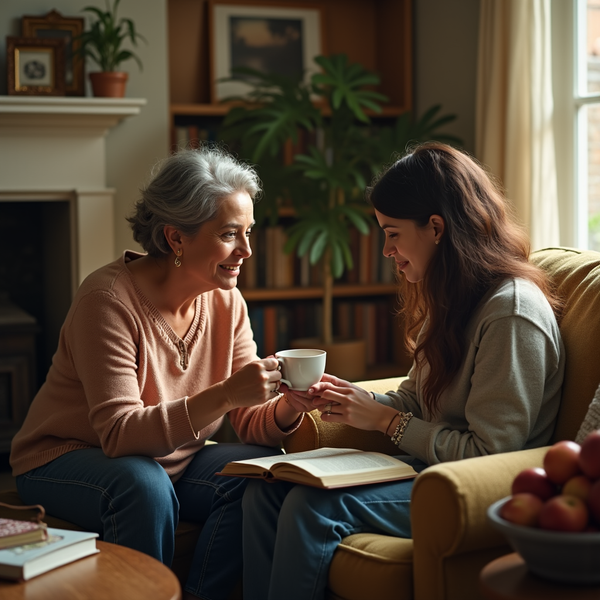
Sometimes it feels like you’re staring across a table at someone who just doesn’t *get* something everyone else does, right? It isn't about intelligence; kids are smart in all kinds of ways. It's this... disconnect with books that can be so tough to watch as a parent. I see it every year in room 214 – some kids will devour anything you put in front of them, and others just seem to shut down at the sight of a chapter book. You start feeling anxious, worrying if they're falling behind, and then guilty for even thinking that way. It’s a tricky spot to be in.
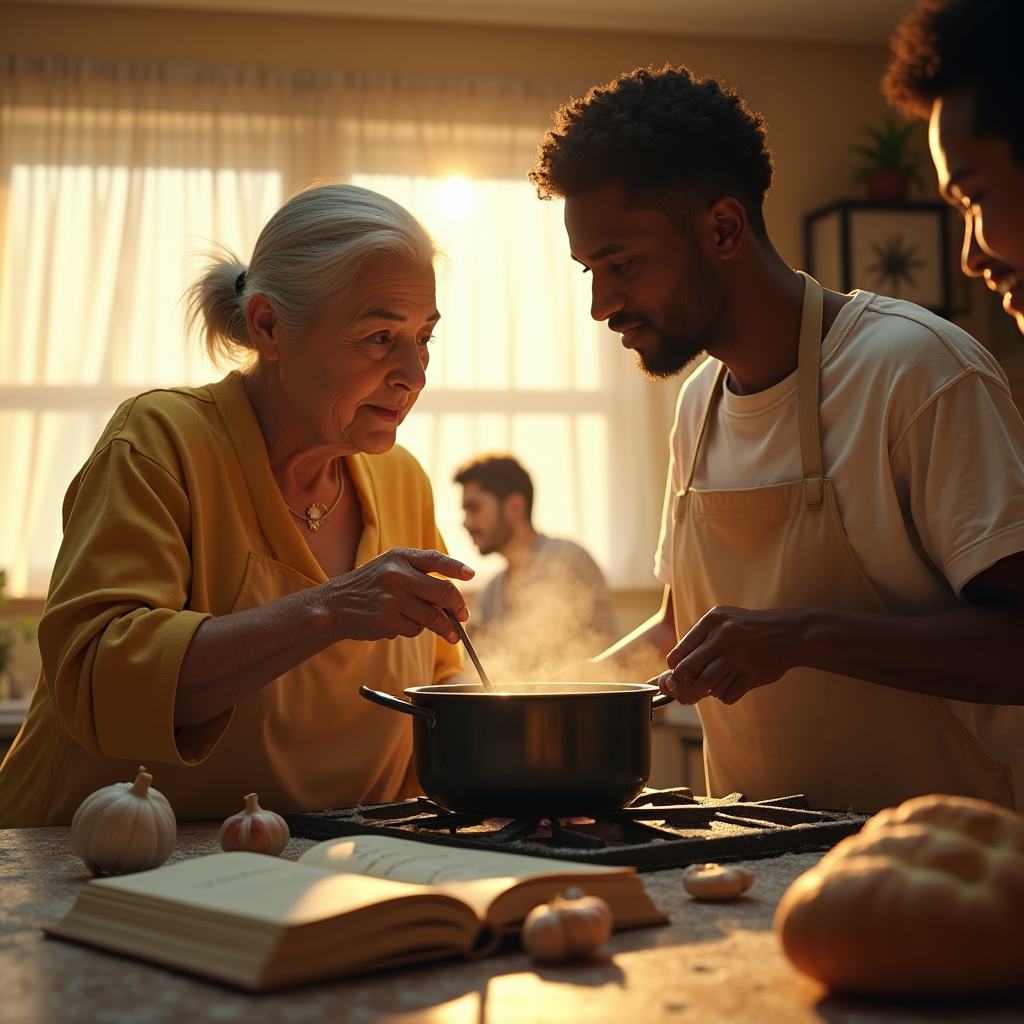
My grandmother used to make Sunday gravy every week – this giant pot on the stove simmering all afternoon. I was supposed to help, mostly peeling garlic and stirring occasionally, but I spent more time distracted than anything. She tried everything to get me interested; sometimes she’d tell stories about where the ingredients came from, other times she'd have me taste-test at different stages of cooking. It wasn't just about making gravy; it was about connecting something practical and sensory with a bit of history and storytelling. And slowly, over years, I started to understand the quiet pleasure of that process – not because she pressured me, but because she made it *something*.
I think sometimes we treat reading like this monumental task instead of another "something." We stack up these expectations about levels and comprehension and vocabulary without thinking about what makes a story feel alive. It’s easy to forget the joy is supposed to be the starting point. Think about how kids play – they invent rules, they create characters, they build worlds out of nothing but sticks and dirt. That's all intrinsic motivation right there; that's them *wanting* to engage because it's inherently fun.
I’ve started incorporating this idea into how I approach lessons in room 214. A few weeks ago, we were reading a story about a baker, and instead of just reading it aloud, we made bread together. It was messy. Some kids got flour everywhere, and we definitely didn't follow the recipe perfectly. But they were *engaged*. They were talking about the story while kneading dough. The whole thing felt connected in a way that a worksheet never could. Suddenly, vocabulary words weren’t abstract concepts; they were part of creating something real.
It's not always grand projects like baking bread, though. Sometimes it's as simple as letting them choose their own books – even if those books seem "easy" or aren't considered “real” literature. I had one student last year who only wanted to read joke books. At first, I felt a pang of... something. Should he be reading Shakespeare? Of course not. He was *reading*, and that’s the most important thing. Building confidence is huge; you can’t force someone to love something if they feel judged for what they're choosing.
I realized it mirrored my own relationship with cooking, in a way. My grandmother never insisted I learn her recipes wholesale. She let me be interested on *my* terms. And now? That Sunday gravy is one of the few things I know how to make perfectly. It’s comforting and familiar, a connection to something bigger than myself. Maybe reading can feel that way for kids too – not as an obligation, but as a pathway to comfort and belonging.
My cousins and I used to create these little coded messages when we were younger - just nonsense phrases using inside jokes, it was silly. It didn’t matter if they made sense to anyone else; it was our language. Finding ways to make reading feel personal, like those secret codes, can be really powerful. A handwritten note left in a book with a simple drawing. A bookmark with a favorite quote. Just something that makes the experience uniquely theirs.
Ultimately, I think the goal isn’t to turn every kid into a literature scholar – it's to help them find *something* they connect with. That spark of joy, that quiet contentment when you get lost in a story, is worth more than any test score or reading level. It's about creating space for that spark to catch fire, and letting them burn bright on their own terms. And sometimes, all it takes is a little flour, a good recipe, and the willingness to let go of what you think they *should* be reading and just see what they’re drawn to.