Finding Peace in Simple Rhythms
Sometimes, it’s the simplest things, isn't it? The quiet moments, the routines, the breath itself. I've always believed that. Thirty-eight years of marriage ...

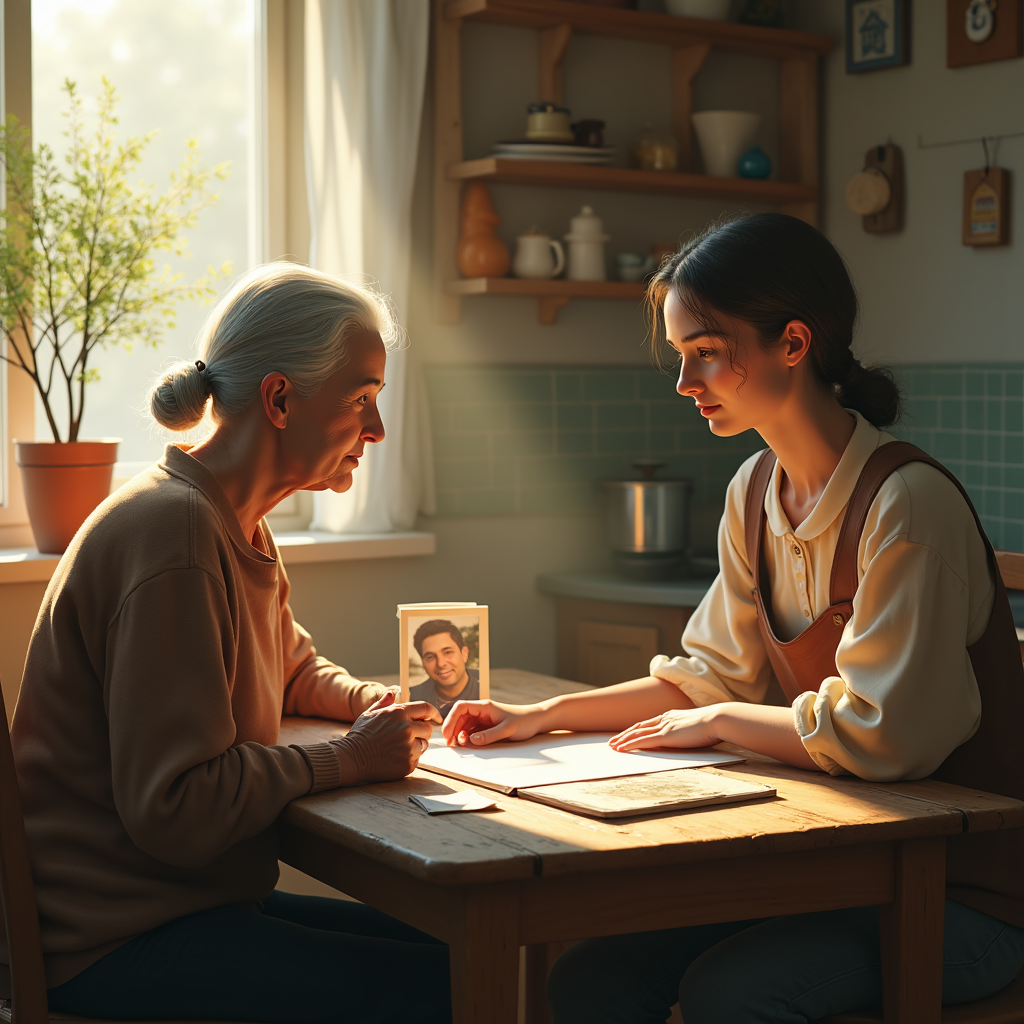
Sometimes, it’s the simplest things, isn't it? The quiet moments, the routines, the breath itself. I've always believed that. Thirty-eight years of marriage taught me a good deal about the quiet strength of a man, and a great deal more about the enduring power of steady rhythm. Jerry, bless his heart, was a man of habit. Coffee at 6:15, the newspaper spread out across the kitchen table, a careful review of the obituaries. He used to tease me about my lists – grocery lists, to-do lists, lists of things I wanted to learn, things I wanted to see. But those lists weren't about burden, dear. They were about purpose. About finding a path through the days.
I read an article the other day – about how breathing, certain practices focused on the breath, can help young people struggling with difficult things. Trauma, they called it. Such a strong word. My grandchildren – Marcus’s children, especially – they carry a weight sometimes. The world is a heavy place, and children are so very sensitive to its burdens. When I was in Brooklyn last month, little Lily, my youngest granddaughter, clung to me a bit more than usual. Just a little extra squeeze, a little longer gaze. You learn to read those things, after a while.
It’s remarkable, isn't it, how something so intrinsic, so fundamental to life, can also be a tool for healing? We breathe without thinking, of course. But to *pay attention* to that breath, to regulate it, to use it as a way to find a stillness within… that's something truly special. It reminds me of tending a garden. You can plant the seeds, water them, and hope for the best. But sometimes, the plants need a little extra attention – a bit of pruning, a bit of gentle coaxing to reach for the light.
I think back to the years I spent teaching, all those faces, all those lives unfolding before me. So many of them carrying hidden sorrows, unspoken burdens. It's a teacher's greatest sorrow to see a child struggling, and to feel sometimes powerless to ease their pain. These practices… they seem like a gift. A way to offer children a little bit of solace, a little bit of strength. Something they can carry with them, always.
It's not about pretending the hard things didn't happen, of course. It’s about learning to navigate the aftermath. About finding a way to breathe through the pain, to recognize the resilience that lies within. Jerry used to say, "You're like a willow tree, Martha. You bend, but you don't break." He said it with such fondness, and I always felt a deep comfort in those words. To bend, to adapt, to find strength in flexibility… that’s a lesson worth passing on.
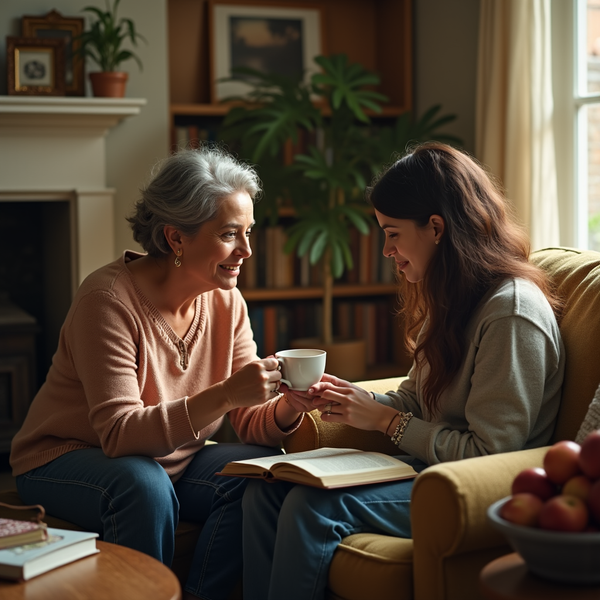
I volunteered at the food pantry again yesterday. There’s a young woman who helps out there, a girl barely older than my grandchildren. She has a quietness about her, a sadness in her eyes. I offered her a cup of coffee, and we talked, just a little. I didn’t pry, didn’t offer any advice. Just listened. Sometimes, that's all anyone needs – to be seen, to be heard, to be reminded that they're not alone.
The simple act of offering kindness, of extending a hand… it can be surprisingly powerful. It’s a ripple effect, isn't it? A small gesture of compassion can spread outward, touching lives in ways we may never fully know. It’s a bit like those lists of mine. Each item on the list seems small on its own, but together they represent a sense of order, a sense of purpose.
And that’s what I hope for these young people – for all of us, really – a sense of order, a sense of purpose, a breath of peace. It’s a simple thing, truly. But sometimes, the simplest things are the most profound. Monday morning, sitting at the kitchen table, making coffee, I thought, well. There’s still so much to do. So much to learn. And so much to breathe.