
Growing Up, Sharing, and the Adolescent Brain
Sometimes, it seems like a kindness offered is met with a shrug, or worse, ignored altogether. I've seen it with my own eyes, of course, watching my grandchi...

Sometimes, it seems like a kindness offered is met with a shrug, or worse, ignored altogether. I've seen it with my own eyes, of course, watching my grandchildren navigate their friendships and disagreements. Just the other day, Marcus was on the phone with me, practically beside himself about Eli and a disagreement over a shared toy. A simple thing, really, but it escalated into a whole kerfuffle. He was so frustrated, poor dear. He asked me, "Grandma, why can't they just *share*?" And I found myself thinking, well, isn't that the question of the ages?
It’s not that they *won’t* share, mind you. It’s more complicated than simple stubbornness. Children, especially the older ones, seem to be grappling with something… a pull between wanting to be fair and wanting something *for themselves*. It reminds me a little of watching a young robin trying to fly. There’s an instinct, a desire to soar, but also that fear of falling, that hesitation before the leap. They see the right thing to do, understand it even, but something holds them back.
I was reading an article recently, about research into the adolescent brain. It turns out there’s a whole lot going on up there, more than just growing pains and awkwardness. Scientists are discovering that teenagers’ brains process rewards differently than adults do. For them, that immediate gratification, that instant reward, is often more powerful than the long-term benefit of being kind or cooperative. It's like the allure of a bright, shiny penny versus the steady comfort of a well-earned savings account. They see both, but that shiny penny is awfully tempting.
Jerry and I were driving back from Ponte Vedra a few weeks ago. That drive through Georgia was something special – the colors of the leaves, the light on the fields… pure beauty. Jerry remarked how peaceful it was, and I told him I was finally feeling like retirement was going to be a blessing. He just smiled that quiet smile of his and said he'd been waiting for me to notice. He knows me, that man. He knows that a little perspective is sometimes all it takes.
It makes you wonder, doesn't it, about how we try to instill values in our children? We teach them about fairness, about empathy, about putting others first. We tell them stories of heroes and good deeds. But sometimes, I suspect, those lessons just don't quite reach them the way we hope they will. It's not that they're bad children, not at all. It's that they are *developing* children, still figuring out how to navigate the world.
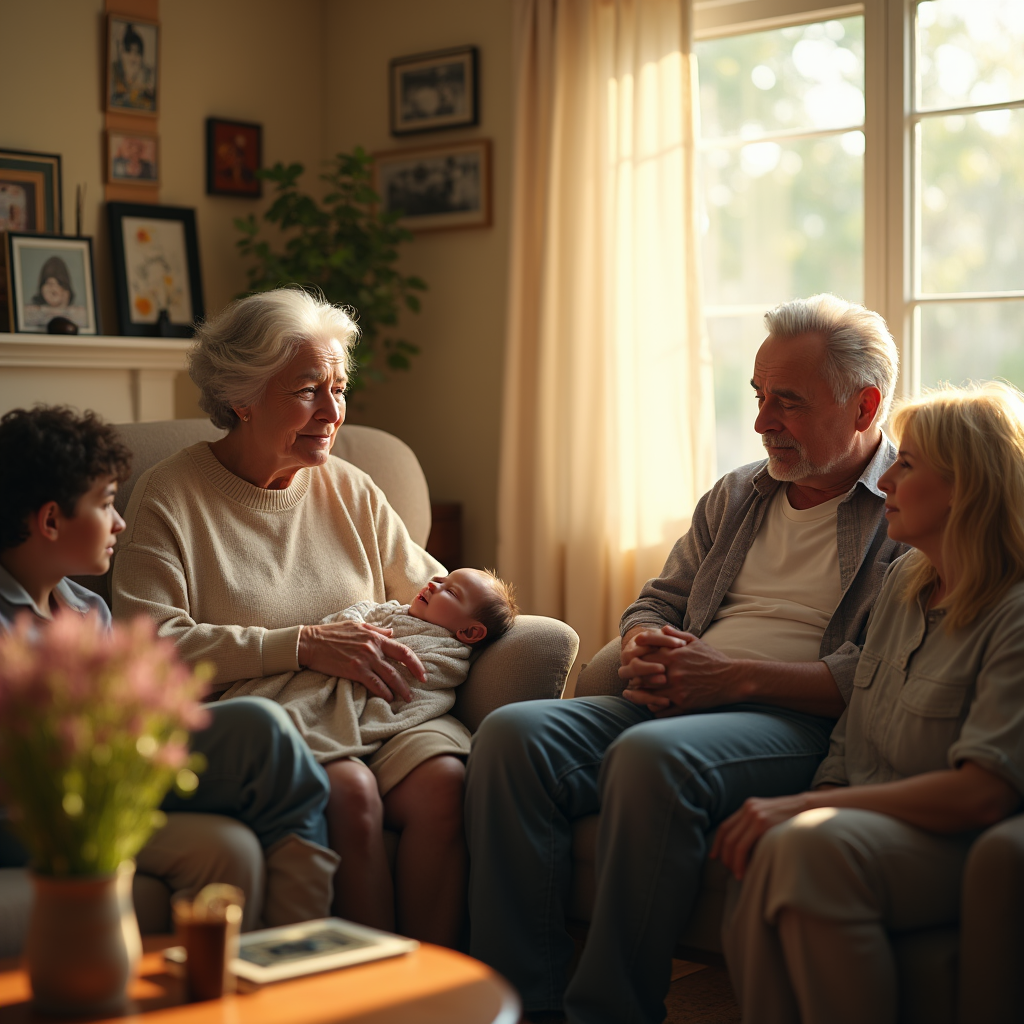
When Lily arrived in October, Kevin and Adrienne were, as you can imagine, overwhelmed. Poor Kevin looked like he hadn’t slept in a week – and he hadn't. I spent a good week cooking for them, organizing the freezer, and taking the overnight shift so they could rest. It was a joy, truly, to hold Lily and watch her tiny face. Even Jerry got in on the action. He sat on the couch with her for an entire afternoon, just rocking and humming, and looked utterly content. That’s the kind of man he is, always offering comfort and quiet joy.
Perhaps that’s the key, then. Not lecturing, not scolding, but simply *being* a source of that comfort and joy. Modeling the behaviors we want to see in our children. Showing them, through our actions, what it means to be kind, to be generous, to be cooperative. It's a slow, steady process, like tending a garden. You plant the seeds, you water them, you pull the weeds, and you trust that, in time, they will blossom.
And even if they don't blossom the way we expect, even if they stumble and fall along the way, we’re still there to offer a hand, a word of encouragement, a quiet smile. Because that’s what family is for. That’s what love is for. And that, I believe, is a reward in itself.