Heavy Hearts, Silent Struggles, Unseen Faces
The rain always smells like wet pavement and regret out here. It’s a smell I’ve come to recognize, really. Not in a poetic, “oh, beautiful melancholy” kind o...

The rain always smells like wet pavement and regret out here. It’s a smell I’ve come to recognize, really. Not in a poetic, “oh, beautiful melancholy” kind of way, you know? More like a persistent reminder that things don’t always fix themselves. I see it in the chipped paint on Mrs. Henderson’s porch, in the way little Mateo always avoids the corner by the abandoned lot, and, frankly, in the faces of some of the kids coming through the door at school. It’s a quiet sadness, a settled kind of knowing that you don’t need to be young to carry around a heavy weight.
I’ve been thinking a lot about what makes a person carry that weight. It’s not always about what *happened* to them, though that's a big part of it. It's more about what they *do* with what happened. Like, a kid might lose a parent, which is devastating, obviously. But if they’re surrounded by people who tell them it’s *their* fault, who shrug and say "well, that's just the way it is," then that weight gets a whole lot heavier. It becomes a self-fulfilling prophecy.
It's funny, isn’t it? We talk about resilience, about bouncing back. But sometimes, bouncing back just means you’re bouncing back *to* something. Like a spring that’s been compressed for too long. It’s still strong, but it’s got this…this tension built up inside. And if you keep hitting it, eventually it’s just going to snap. And sometimes, the snapping isn’t a clean break. Sometimes, it’s jagged and painful.
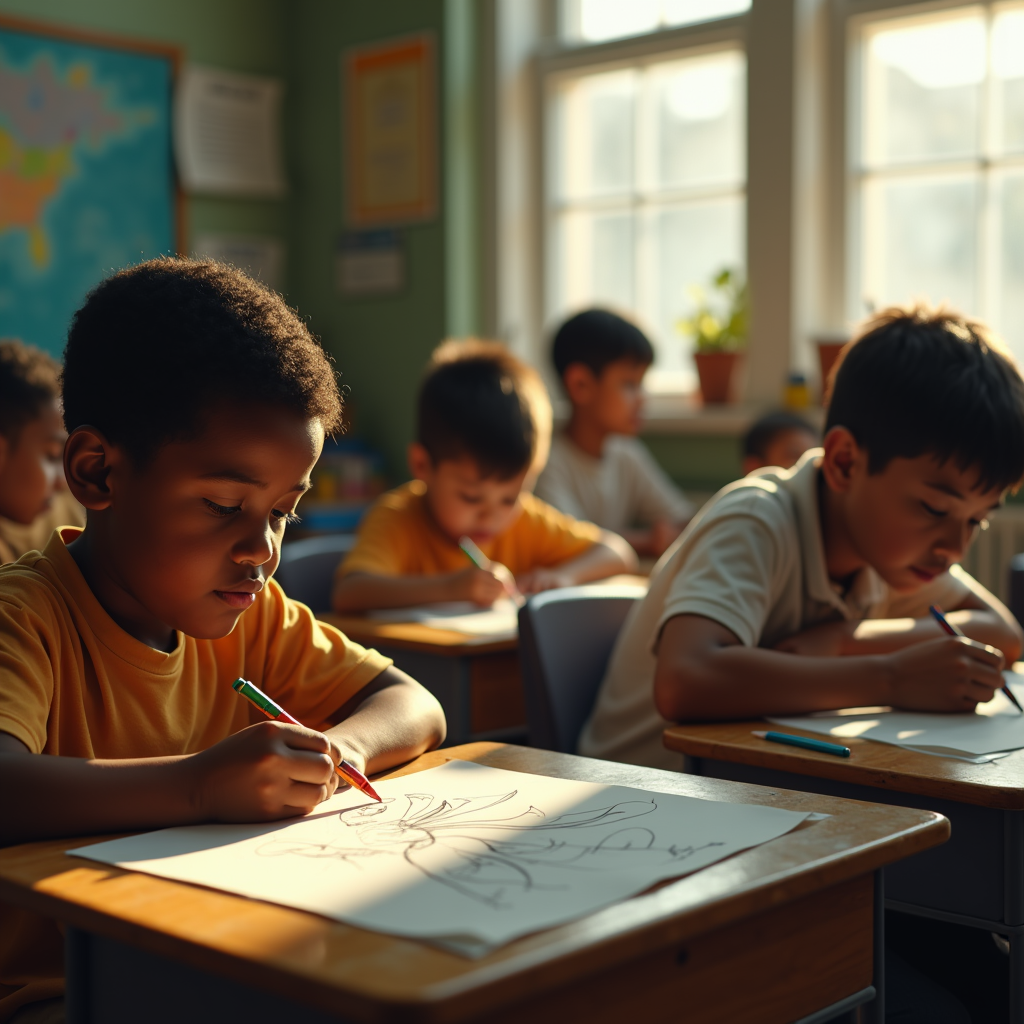
I saw a boy, eight years old, named Jamal, drawing a picture of a broken bird today. Not a sad bird, not really. Just…broken. He explained he was trying to draw “what happens when things don’t want to be fixed.” He didn't say anything about his home life, not directly. But I saw it. That quiet acknowledgement of a wound that refuses to close. And I realized, these aren’t just abstract concepts we’re dealing with. They’re right here, in Room 214, every single day.
It's not about blame, you understand. Not about judging. It's about recognizing that some folks are born with a disadvantage, a starting point that’s already tilted. And that tilt isn’t their fault. It’s the system, it’s circumstance, it’s the things that just…pile up. Like bricks in a wall, slowly building a barrier around a person's hope.
I was talking to Ms. Rodriguez, the school counselor, about this the other day. She said something that stuck with me: “Trauma isn’t a singular event; it’s the accumulation of small hurts.” And she’s right. It’s not just the big, obvious things. It’s the constant feeling of not being seen, not being heard, not being believed. It’s the quiet erosion of self-worth.
It’s funny how easily we forget that a kid’s world is built on a foundation of trust. And how fragile that foundation can be. You break it once, and it's hard to rebuild. Especially when the tools you’re using are rusty and worn down. You need fresh starts, clean materials. And sometimes, that's just not possible.
I don't have all the answers, of course. I’m just a teacher. But I know this: these kids, they deserve to be seen. They deserve to have someone believe in them, even when they don't believe in themselves. They deserve a chance to build a different kind of drawing, one where the broken bird isn’t the only picture on the page.