
Kids: Beyond the Pressure to Perform
Okay. It’s funny, isn't it? This whole…push. I mean, I see it every day. The parents. They come in, bright-eyed and full of good intentions, usually clutchi...

Okay.
It’s funny, isn't it? This whole…push. I mean, I see it every day. The parents. They come in, bright-eyed and full of good intentions, usually clutching some pamphlet about “optimal learning strategies” or a glossy brochure promising their kid will be a star athlete *and* a valedictorian by the time they’re twelve. And they just…take over. Not intentionally, most of them aren't. It’s just this insistent need to *fix* things. To steer. Like little sailboats caught in a current they don’t understand.
They think because they went to college, because they read those books – and let’s be honest, half of those books are utter nonsense – that they know best. They talk about “target scores” and "cognitive development" like it's some kind of code, a secret language only *they* can decipher. They spend hours on Zoom calls with teachers, meticulously dissecting every little comment about Billy’s drawing or Maya’s handwriting.
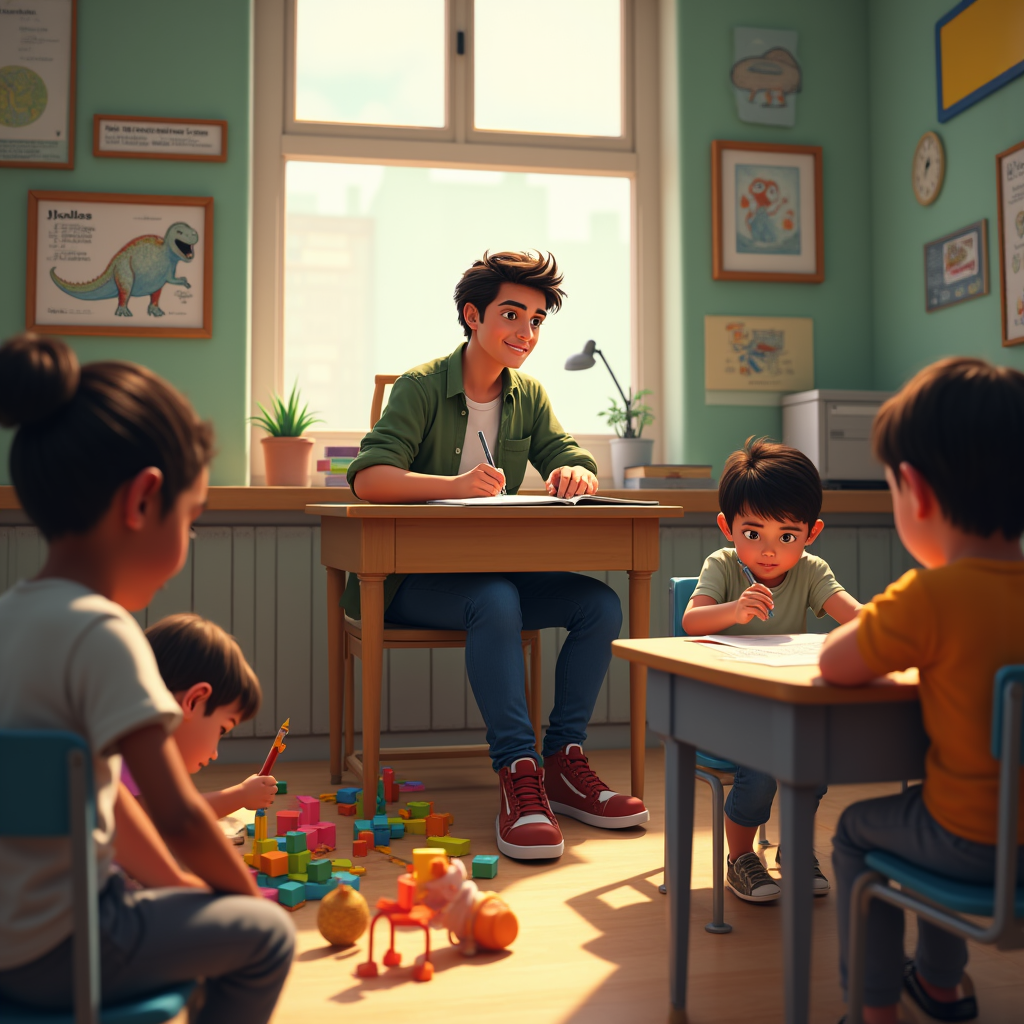
It’s exhausting for the kids, you know? They just want to build a Lego castle, or color a picture of a dinosaur, or maybe read a really good book that *they* picked out. They don't need constant assessment, constant guidance, constant reminders about how they’re supposed to be performing. It makes them anxious. And honestly, anxiety doesn’t exactly lend itself to learning, does it?
I saw a little boy, David, last week – a bright kid, really good at math - he just completely shut down during a parent-teacher conference. His mom was asking about his homework completion rate, his attention span, his "potential for growth." He just stared at his shoes, and finally whispered, “I don’t want to be measured.” It hit me hard.
And it's not always the overt pressure either. Sometimes it's just this expectation. The way they look at their kids with a sort of… pity? Like, "Oh, you poor thing, you're struggling. Let *me* help you." They assume that their struggles – their anxieties about how well their child is doing – are somehow the child’s fault.
The thing is, kids aren’t failures if they don’t achieve some pre-determined milestone. They’re not less worthy. They're just…different. And sometimes, the best thing a parent can do is to let them be different. To accept that their kid might love building with blocks more than writing essays, or that maybe they’ll struggle with fractions and thrive in art class.
I think it comes down to this: we tend to see the world through our own experience. We assume everyone else operates exactly as we do, that if something isn't going according to *our* plan, there must be a problem. But kids? They’re just figuring things out. They’re learning at their own pace, in their own way. And frankly, the most interesting things I’ve ever learned came from my students – observations of their quiet moments, their bursts of creativity, their frustrations and triumphs.
It's a slow process, this letting go, for them. For us. But you know what? Room 214 has taught me one thing: sometimes the greatest lessons aren't found in textbooks or test scores, but right there, in the messy, wonderful chaos of childhood.