Lost Wonder Rekindling Connection to Nature
Sometimes I think about how much we’ve lost, or maybe *they* have – the kids, mostly – a sense of wonder that feels… intrinsic to being human. It's not somet...
Sometimes I think about how much we’ve lost, or maybe *they* have – the kids, mostly – a sense of wonder that feels… intrinsic to being human. It's not something you teach, not really. You can point out a hawk circling overhead, explain its hunting strategy, even detail the precise mechanics of flight, but that doesn’t quite capture what it is to just *see* it, to feel that jolt of recognition and connection. I remember my own childhood; lying on the scratchy grass in my grandparents' field, watching bees drift between clover blossoms. It wasn’t a studied appreciation. It was simply… being.
It strikes me often when I’m doing rounds at the practice now – so many kids, bright and capable, but seemingly detached from something vital. They know facts, impressive ones, about climate change and endangered species, yet they rarely seem to *feel* it in their bones. There's a sort of intellectual understanding that floats above any real engagement with the natural world. It’s a complicated thing to witness as someone who spends her days caring for them; you want to nurture both their minds *and* their souls.
Richard Louv, I learned about his work some years ago now, and it really resonated with me. He talks about bioenchantment—that sense of awe and connection we feel when we truly perceive the life pulsing around us. It's more than just appreciating beauty; it’s a deeper recognition that everything is intertwined, that there's a conversation happening beyond our immediate grasp. As kids, it was easy to hear that conversation. We weren’t trying to analyze it or dissect it – we were simply participating.
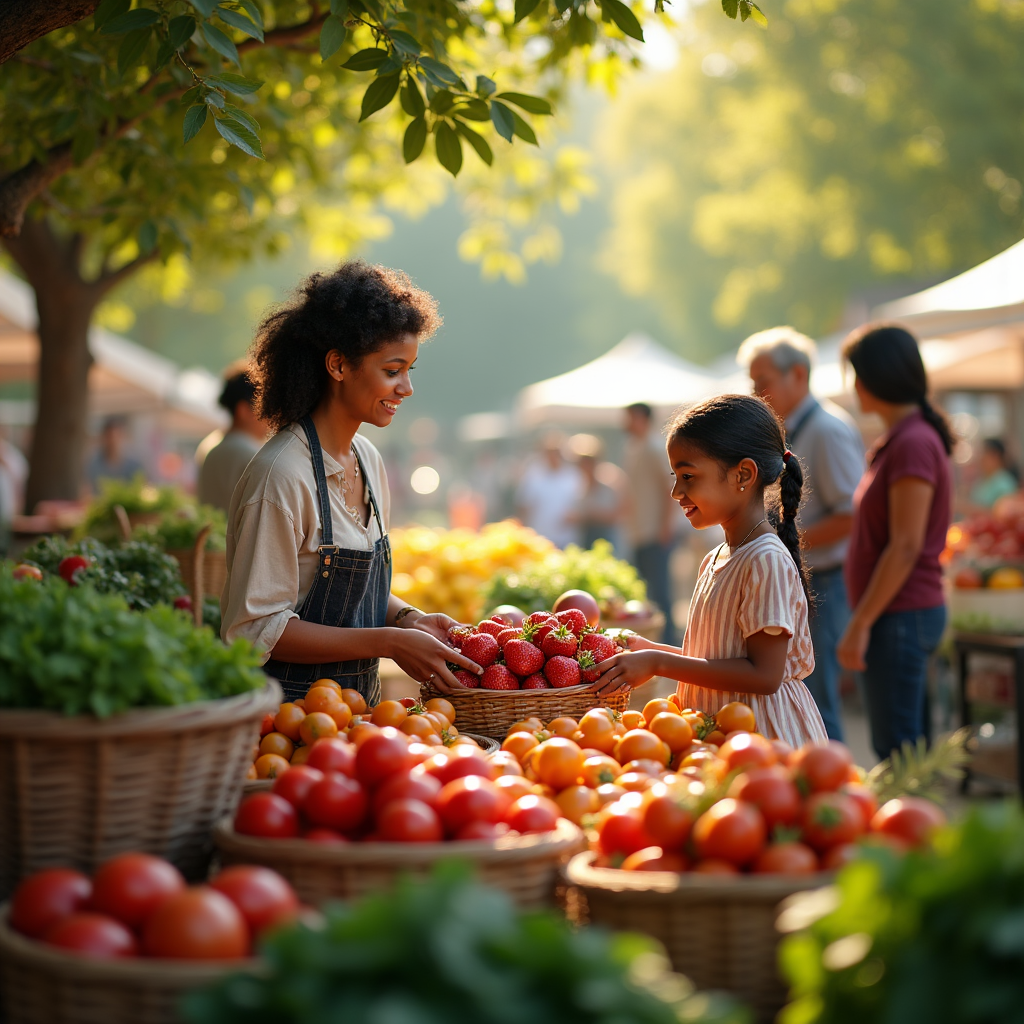
I think about the farmers market on Ludlow every Sunday morning now, and how much that simple ritual has shifted something within me. It's not just buying fresh peaches or heirloom tomatoes; it's a deliberate slowing down, an intentional re-engagement with the rhythms of the earth. The kids love picking out their own strawberries – messy faces, sticky fingers - and I find myself breathing deeper, feeling more grounded than I have in what felt like years.
There’s a neurological basis for this sense of connection too, fascinating research showing how our brains respond to natural stimuli – the scent of pine needles, the sound of running water, even just dappled sunlight filtering through leaves. It's not just about being *happy* outdoors; it's about a fundamental physiological need that we’re largely ignoring in modern life. This isn't something new though; many Indigenous cultures have understood this for centuries – the deep reciprocity between humans and the land is woven into their very fabric of existence. I read about it sometimes, trying to grasp a fraction of their wisdom.
My own father was a man of few words, but he taught me to listen—to really *listen* to the world around me. He didn’t lecture; he simply took me fishing with him at dawn, or walked quietly through the woods behind our house. He'd point out the tracks in the mud, the call of a particular bird, not explaining it so much as allowing me to discover it for myself. It instilled something… a quiet reverence that has stayed with me my entire life.
The anxieties around climate change and environmental degradation are real, particularly for children. It's overwhelming to think about the scope of the challenges we face. But I believe rewilding – not just in wild places, but in our cities too – is part of a vital solution. A small patch of wildflowers growing through sidewalk cracks, a community garden thriving on a vacant lot—these are little acts of rebellion, reminders that life persists and that connection can be restored. Even a single potted herb on a windowsill provides a point of contact.
And maybe that's what it comes down to: creating those points of contact again. Not grand gestures or sweeping reforms necessarily, but small, consistent opportunities for children – and ourselves – to re-establish that ancient, vital connection. To remember the feeling of grass beneath our feet, the smell of rain on dry earth, the quiet magic humming all around us. It's a start, at least. And right now, I think that’s exactly what we need.