Meaningful Connection: The Key To Health
The persistent hum of the refrigerator is a strangely comforting sound these days. It’s joined by the quiet tap of my fingers on the keyboard, a rhythm I've ...

The persistent hum of the refrigerator is a strangely comforting sound these days. It’s joined by the quiet tap of my fingers on the keyboard, a rhythm I've come to associate with a peculiar sense of purpose. Lately, I find myself increasingly drawn to questions about what truly sustains us – not just physically, but in ways that feel deeply meaningful. The conversations around health have always been primarily focused on diet and exercise, rightly so, but something feels missing, a crucial element often overlooked in the pursuit of longevity.
It began with a simple observation: my grandfather, a lifelong fisherman, lived well into his nineties, despite a diet largely comprised of smoked fish and strong coffee. He wasn’t meticulously tracking calories or spending hours at the gym; he simply *engaged* with the world around him – tending his small garden, chatting with neighbors, and participating in town council meetings. This sparked an idea - could the act of contributing to something larger than oneself be a key ingredient in a long and vibrant life?
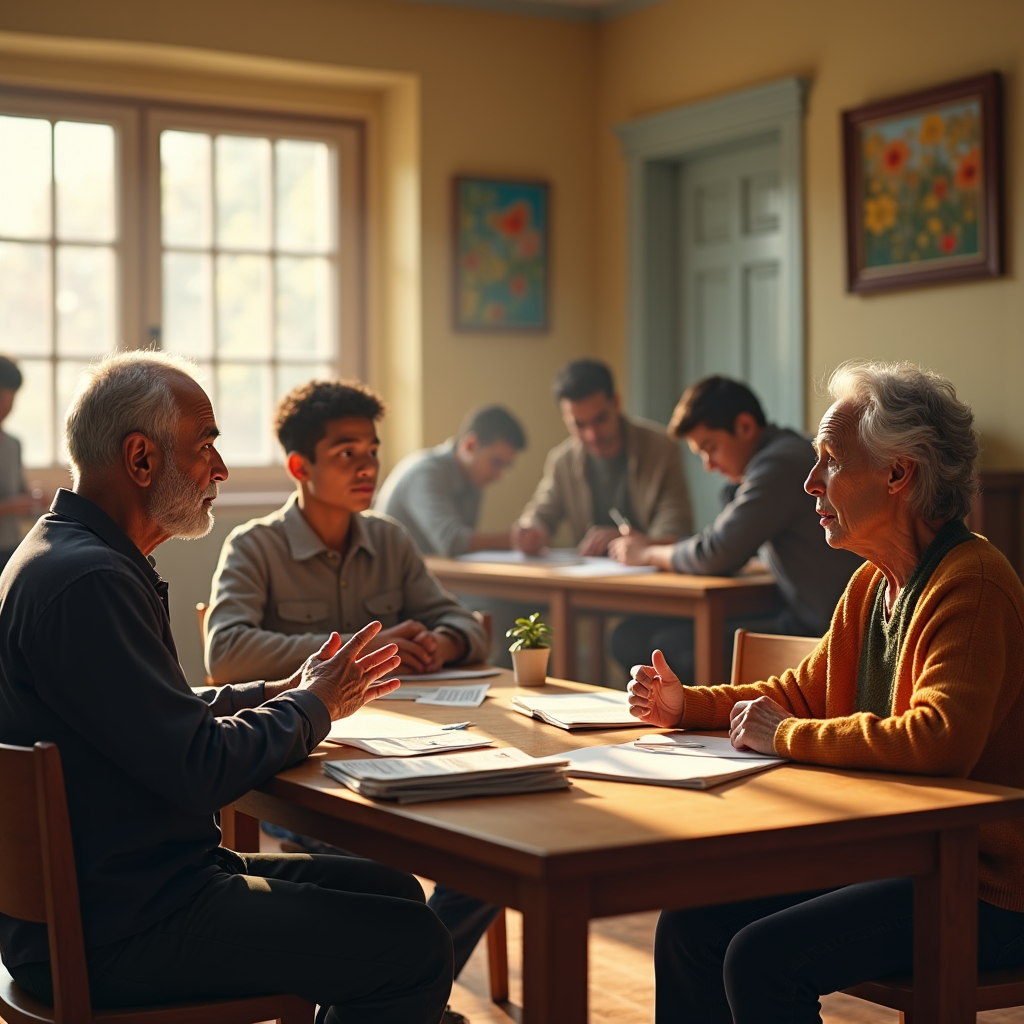
The research I’ve been delving into—and it's been extensive—points toward a surprising correlation: those who actively participate in their communities, whether through voting, volunteering, or simply staying informed, tend to live longer. It’s not about political affiliation, or even a specific cause; it’s about the feeling of connection, of being part of something vital and ongoing. The sheer act of bearing witness to the workings of society seems to inject a sense of resilience into one's very being.
I’ve spent countless hours considering how this might translate to our individual experiences. Perhaps the daily struggle to solve problems, grapple with ethical dilemmas, or offer assistance to others isn’t merely a burden—it could be a catalyst for growth and well-being. The human brain thrives on connection, on challenges that require creative solutions and collaborative efforts.
The data from studies like the one in Wisconsin – tracking decades of lives – is compelling, yet still somewhat enigmatic. It suggests a measurable impact, but it doesn't fully explain *why*. Could it be as simple as a reduction in stress? The constant act of engagement likely provides a buffer against anxiety and despair, allowing the body to operate more efficiently.
But I suspect there’s something deeper at play, a biological response triggered by acts of altruism – akin to the endorphin rush experienced after physical exertion or kindness. Perhaps it's a shift in our cellular programming, a subtle recalibration towards greater vitality. Or perhaps, most profoundly, it is about reclaiming agency and purpose.
It’s tempting to reduce this complex phenomenon into a neat equation – ‘voting equals longer life.’ But the truth, as always, lies in the messy, nuanced details of human experience. The point isn’t about achieving immortality; it's about cultivating a life rich with meaning, connection, and contribution—a life that feels authentically ours.
Ultimately, I believe this is an invitation to redefine ‘health.’ It’s no longer solely about the absence of disease but encompasses the presence of active engagement, purpose, and belonging. It’s time to recognize that a healthy life isn't just *lived*, it's actively created – one vote, one conversation, one small act of service at a time.